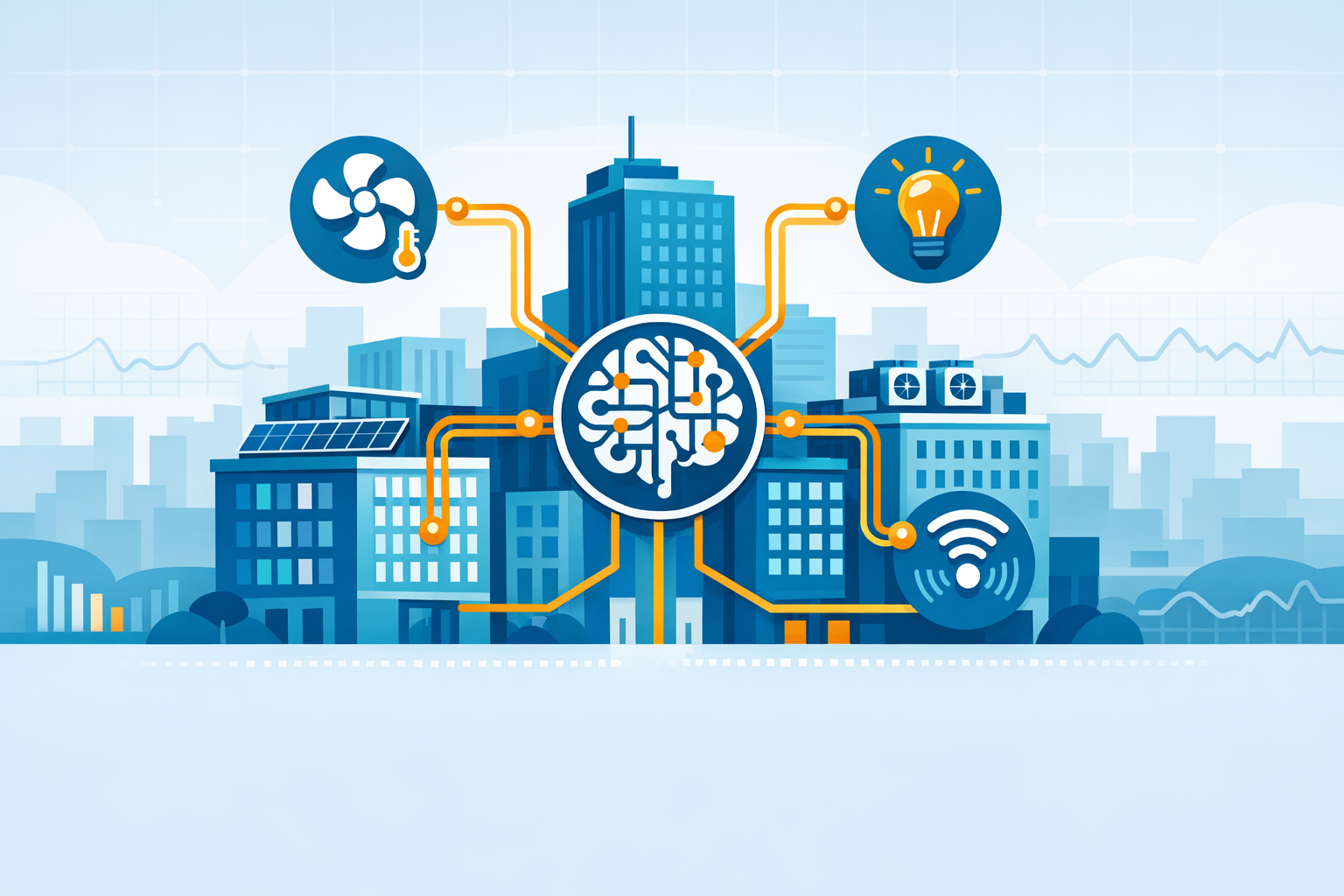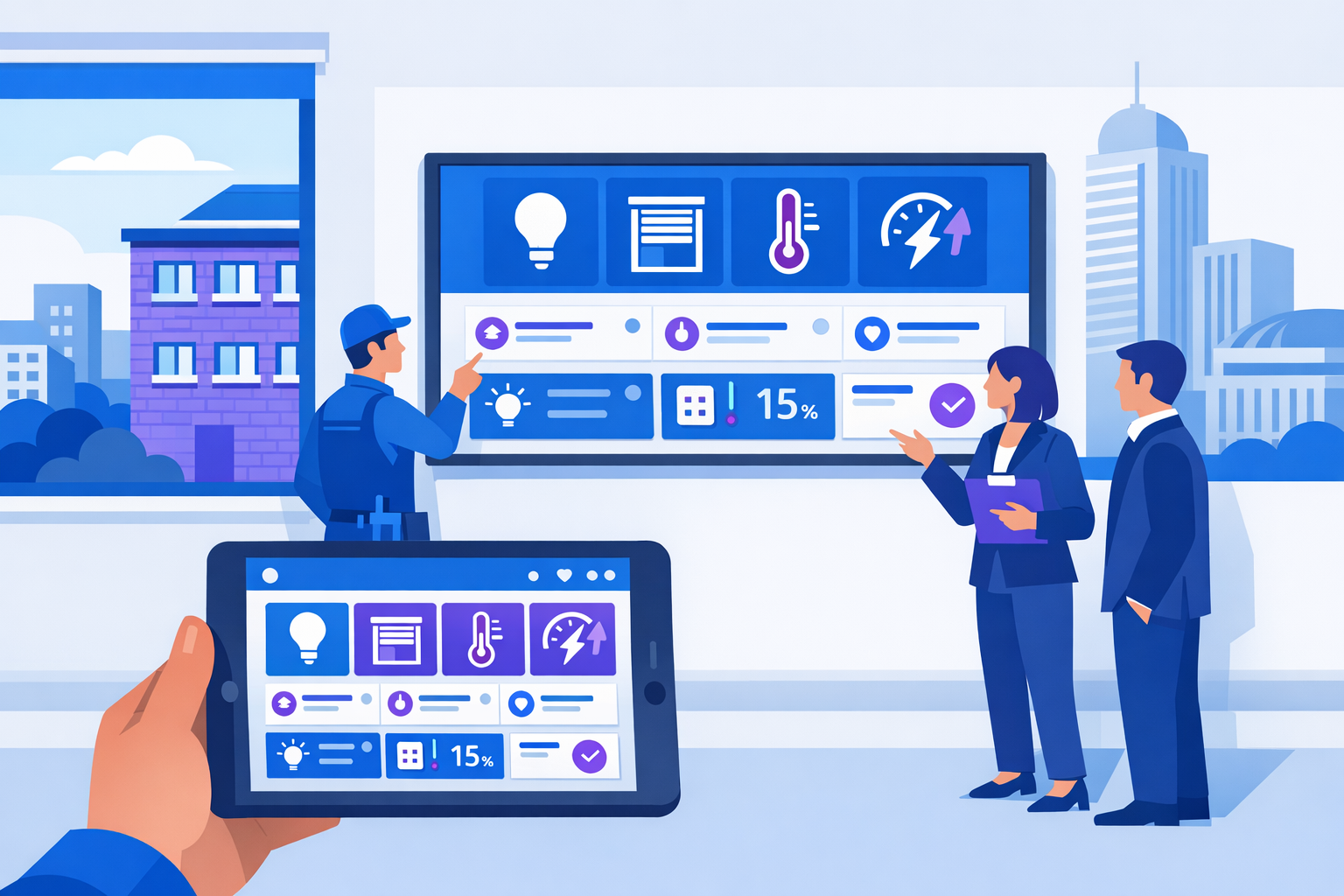
Schneider Electric has integrated its SpaceLogic KNX building automation portfolio with Samsung's SmartThings and SmartThings Pro platforms, creating a unified management interface for both residential and commercial building environments. Announced on May 26, 2025, the integration enables users to monitor and control SpaceLogic KNX devices-including lighting, blinds, temperature sensors, and energy systems-through a single SmartThings dashboard. The move targets the fragmentation problem that has long prevented facility managers from achieving a cohesive operational view across multi-brand building estates.
Background
Cross-brand interoperability remains one of the most persistent challenges in building automation, particularly in commercial settings where lighting, HVAC, energy metering, and access control systems are typically sourced from different manufacturers. Separate controls from various manufacturers have historically prevented unified performance monitoring, leading to siloed data and missed energy optimization opportunities. The KNX standard-a decades-old open bus protocol widely specified in European commercial and residential construction-has traditionally required dedicated configuration tools and proprietary dashboards, limiting its accessibility to trained integrators and constraining real-time operational visibility.
Samsung's SmartThings platform has steadily expanded from consumer electronics into commercial building management. SmartThings is used by millions of people in nearly 200 countries and has positioned itself as an open ecosystem for smart home and connected building products. The launch of SmartThings Pro, targeting enterprise-scale buildings and multi-site operations, marked Samsung's formal entry into the facility management segment.
Details
Samsung streamlined its certification process for partners, enabling Schneider Electric to bring its full SpaceLogic KNX portfolio into the SmartThings ecosystem more rapidly. For commercial operators, the SpaceLogic KNX integration with SmartThings Pro enables facility managers to monitor lighting, blinds, HVAC, occupancy, and energy consumption across multiple commercial locations through centralized dashboards.
Laurent Roussel, SVP Commercial & Channel at Schneider Electric, stated that "Interoperability has become increasingly important in both residential and commercial environments, where customers expect connected systems to work together seamlessly." Roussel added that the integration expands visibility into energy usage across both homes and buildings.
For system integrators and MEP consultants, the architecture implications are significant. SpaceLogic KNX operates on the established KNX bus standard, while SmartThings Pro provides the cloud-based management layer-a layered approach that avoids requiring full protocol migration at the field-device level. SpaceLogic KNX devices are not currently compatible with the Matter protocol, meaning the integration relies on Samsung's own platform bridge rather than a universal open standard. This is a relevant procurement consideration for building owners seeking protocol-agnostic deployments with long-term portability.
On cybersecurity, converging a field-layer protocol (KNX) with a cloud management platform (SmartThings Pro) introduces an expanded attack surface that procurement teams and security officers should factor into risk assessments. Industry frameworks, including the EU's NIS2 Directive and the forthcoming Cyber Resilience Act (CRA), require building automation systems to meet defined authentication, encryption, and incident-reporting standards-requirements that apply to integrated multi-vendor stacks as much as to single-vendor systems. For deeper context on cybersecurity standards applicable to integrated building management systems, see our reporting on Integrated Building Security Standards Gain Momentum.
Schneider's platform strategy extends beyond this partnership. The company's EcoStruxure Foresight Operation, an AI-powered platform blending machine learning and predictive analytics for building energy and power systems, is expected to be broadly available in the second half of 2026. Together, the Samsung integration and Schneider's AI platform suggest a portfolio approach in which cross-brand data aggregation and Schneider-native analytics operate in parallel.
Outlook
The partnership signals a broader shift in procurement dynamics: building owners and operators increasingly select management platforms based on ecosystem breadth rather than single-vendor lock-in. For specifiers evaluating multi-vendor deployments, the SmartThings Pro and SpaceLogic KNX combination offers a measurable reduction in integration complexity for KNX-based estates. However, buyers should verify protocol interoperability roadmaps and cloud security certifications before specifying the stack in projects with strict data governance requirements. Schneider Electric has stated a target to help customers avoid 1.5 billion tonnes of CO₂ emissions between 2018 and 2030, and cross-brand integration agreements such as this one form part of the commercial mechanism for reaching that scale. For further context on how open standards and certification programs are reshaping multi-vendor building procurement, see Public Sector Is Rewriting the Rules on Open, Multi-Vendor Smart Buildings.