Qcells has expanded its industry-first safety benchmark for AI-enabled energy management systems to include critical facilities such as data centers and healthcare campuses. The initiative introduces standardized criteria and certification pathways to ensure reliability, resilience, and interoperability in high-risk environments. Qcells announced the expansion at a recent energy-sector symposium in Seoul, emphasizing efforts to promote cross-industry adoption of safety-centric AI in energy infrastructure.
Background
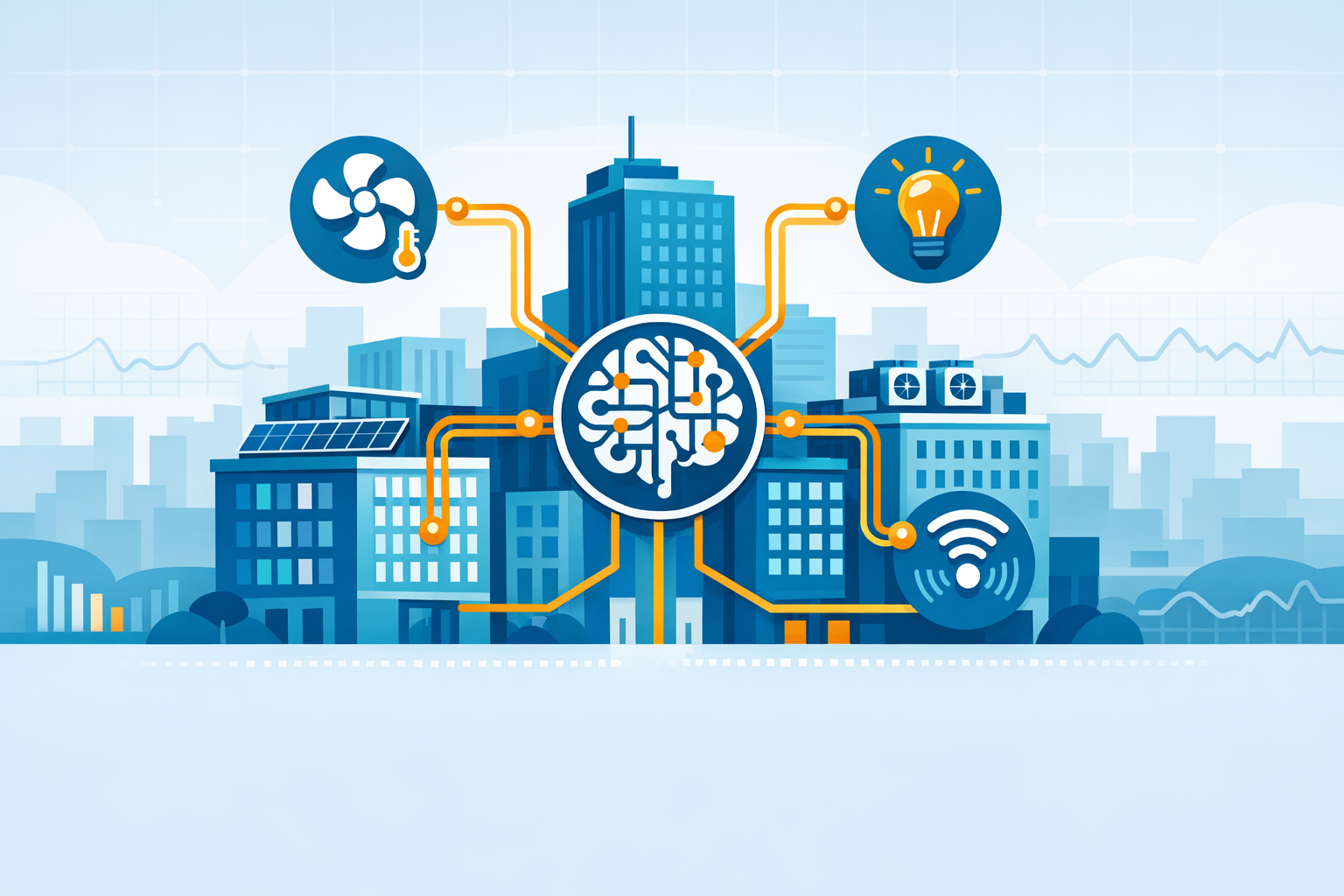
Qcells, a Hanwha Solutions subsidiary, previously advanced digital energy management initiatives-including a 2025 partnership with Microsoft aimed at improving energy efficiency in AI-powered data centers. This collaboration projected 20-30% reductions in energy costs and up to 35% decreases in greenhouse gas emissions through predictive AI controls. Hanwha Qcells' architecture with Microsoft yielded forecasts of 20-30% cost reduction and up to 35% emissions reduction Company statements confirm that the expanded safety benchmark builds on earlier models proven in AI data center operations.[1]
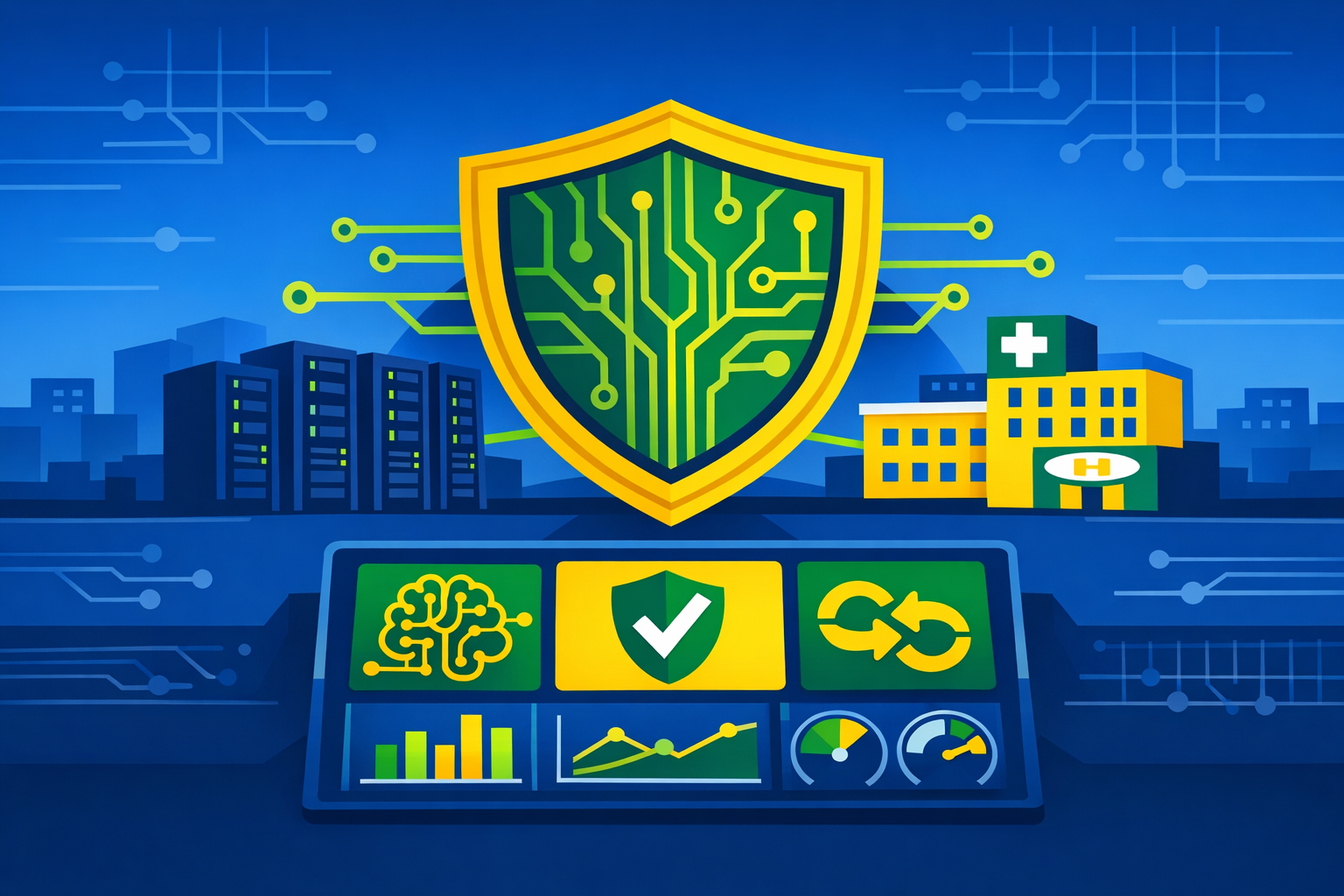
Standards for energy systems in critical facilities have traditionally focused on interoperability, emergency preparedness, and reliability. Few have explicitly addressed AI-related safety. The new benchmark aims to address this by embedding AI-specific risk assessment methods-including failure mode analysis, adversarial scenario testing, and real-time anomaly detection-into conventional energy management evaluations, enhancing resilience in environments where system failure could impact operations or safety.
Details
The expanded benchmark includes quantitative and process-oriented requirements. Quantitatively, AI models must maintain less than 0.5% deviation in energy allocation during simulated grid disturbances to meet fault tolerance standards. Certification requires third-party validation through accredited laboratories, with facilities submitting recorded performance from a continuous 72-hour stress test under abnormal load cycles. Qcells also established a sandbox evaluation environment, allowing vendors to pre-qualify AI energy management systems against benchmark criteria before deployment.
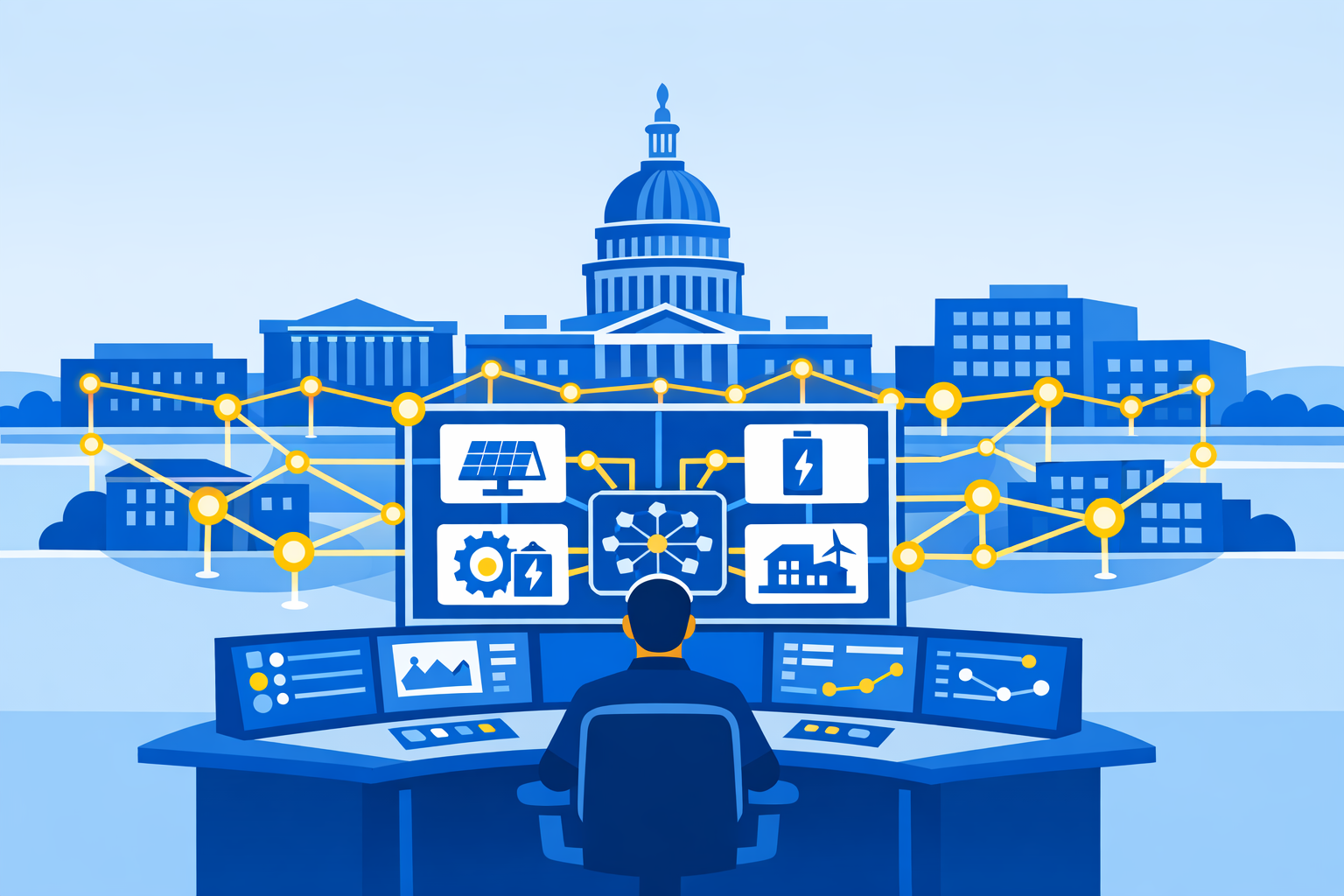
Qcells executives indicated that the benchmark will guide procurement decisions. Facilities can require vendor compliance in requests for proposals (RFPs), while system integrators can use certification for product differentiation. Interoperability remains central; benchmarks are aligned with standards such as IEC 62832 (digital factory framework) to ensure compatibility between AI-enabled and traditional building automation systems.
Outlook
Qcells intends to pilot the safety benchmark at five global critical facilities in the second quarter of 2026, including a healthcare campus in Germany and a hyperscale data center in the United States. Results will help shape broader standardization efforts through industry consortia later this year. Expected impacts include increased demand for safety-certified AI solutions and changes to interoperability standards in smart building and energy systems.