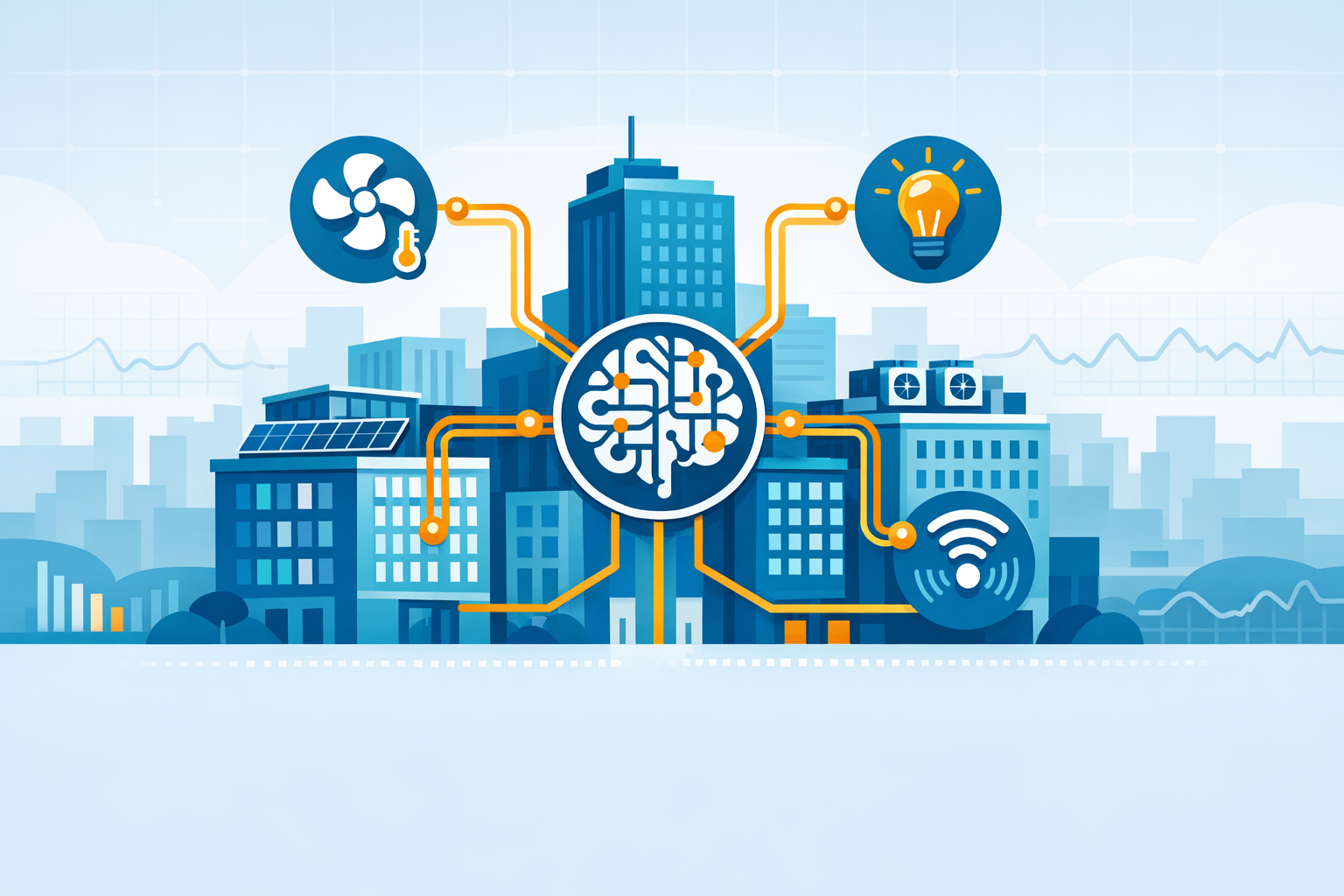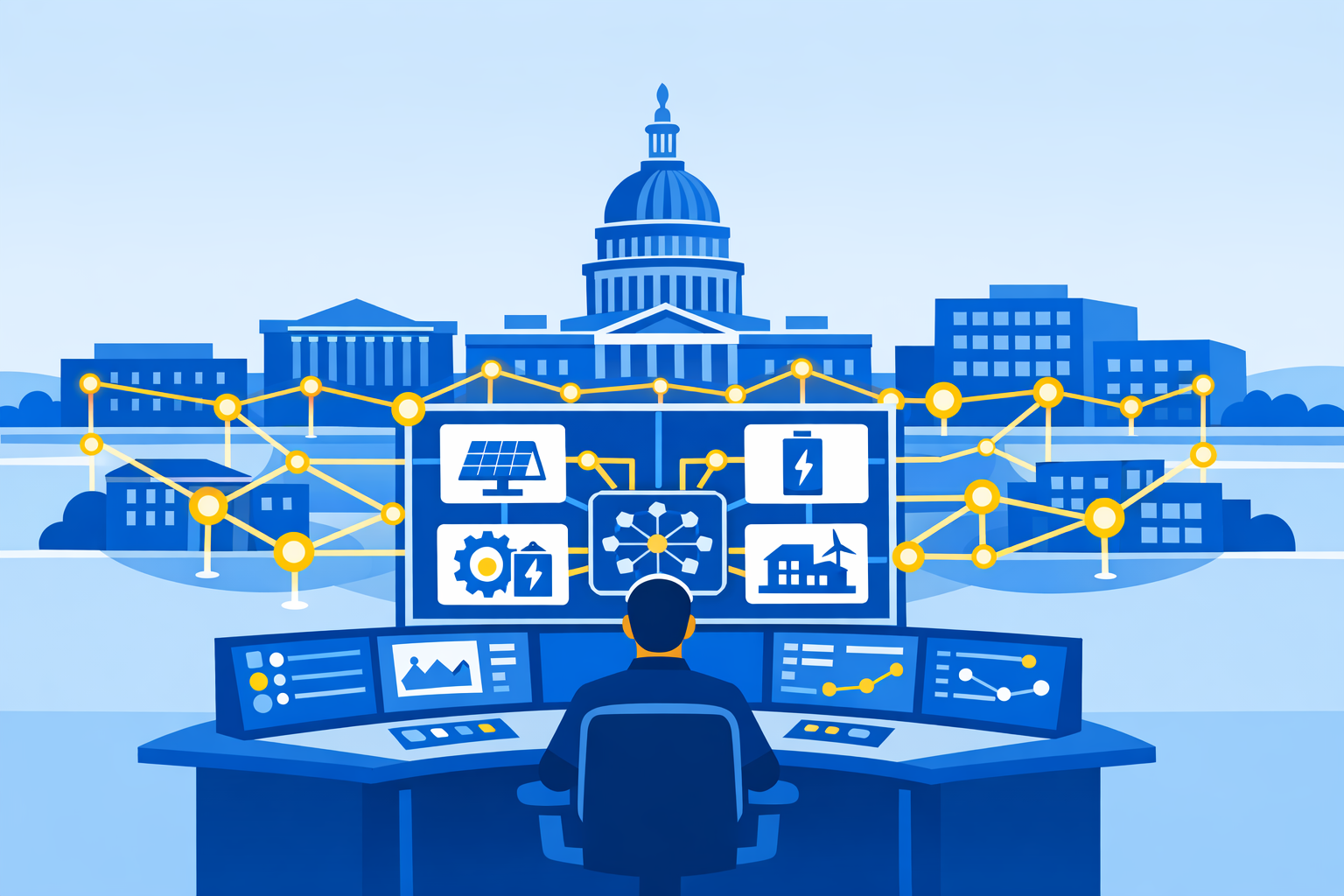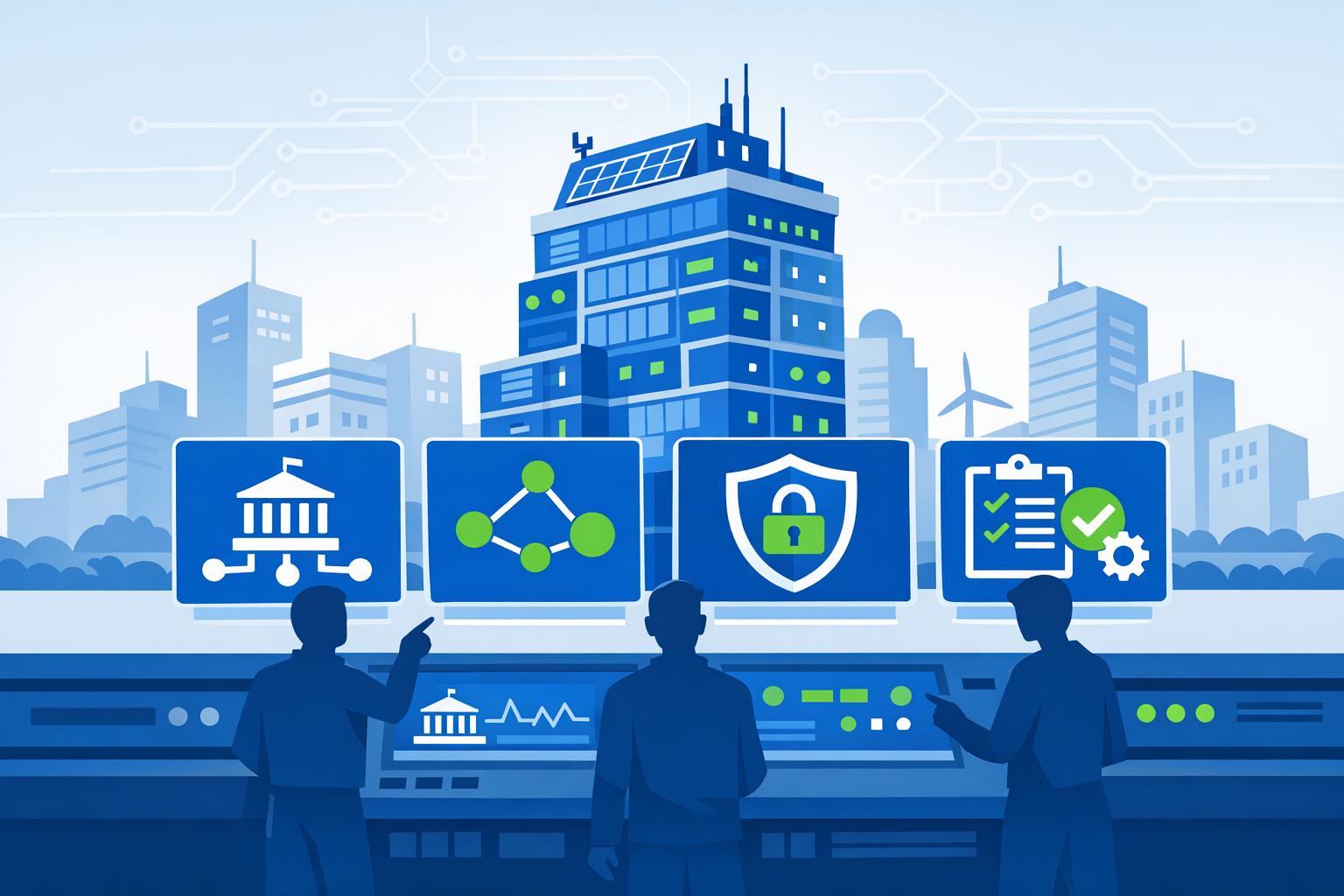
Building operators are increasingly addressing governance, interoperability, procurement, and security challenges as AI-driven systems become integral to HVAC, lighting, and security infrastructure. This development coincides with evolving regulations, such as the EU AI Act and Cybersecurity Act, which introduce new transparency, human oversight, and certification requirements for high-risk systems.
Operators encounter growing procurement complexity as AI-enabled building automation systems (BAS) must balance performance with accountability and regulatory compliance. The rise of agentic AI-autonomous systems capable of making control decisions-intensifies the need for interoperability standards and comprehensive lifecycle governance.
Background
The EU Artificial Intelligence Act, effective August 1, 2024, imposes stricter obligations on high-risk systems, including smart building controls that process personal or critical infrastructure data. Required measures include documented risk analyses, transparency mechanisms, human oversight, and ongoing conformity assessments. The most stringent requirements will take effect by August 2, 2026. These mandates are being operationalized through standards such as ISO/IEC 42001 (AI management), ISO/IEC 23894 (AI risk), ISO/IEC 24029 (bias detection), and regional frameworks from CEN/CENELEC and OECD. The regulation's tiered risk model classifies AI systems as unacceptable, high, limited, or minimal risk.
Simultaneously, the EU Cybersecurity Act and NIS2 directive are strengthening cybersecurity and incident-reporting requirements for building technology providers and operators. The Cybersecurity Act aims to standardize high-assurance certifications, while NIS2 expands operational risk management and reporting for building technology SaaS and infrastructure providers.
Details
Multi-vendor interoperability remains a significant technical challenge. Protocols such as BACnet and Brick schema support standardized communication across devices, but legacy systems using Modbus or LonWorks complicate integration. Regulatory pressures are encouraging vendors to adopt open metadata models, but retrofitting existing infrastructure increases costs and project timelines. Smart building deployments often require extensive integration efforts to ensure data alignment across protocols, including BACnet and Modbus.
Agentic AI frameworks are being developed to automate complex building operations. The OptAgent model, for example, demonstrates scalable, physics-informed agentic AI designed to manage HVAC, distributed energy resources, and thermal dynamics using specialist agents and context-driven protocols. Recent studies have benchmarked these models for both performance and cost efficiency.
Project- and system-level risk governance frameworks are gaining adoption. In Germany, the SmartLivingNEXT project is defining frameworks that combine transparency, fairness, accessibility, and ethical alignment for AI systems in residential environments, utilizing standards-based processes to comply with the AI Act.
Cybersecurity teams are embedding zero-trust architectures, policy-based access controls, and layered defenses-including multi-factor authentication (MFA) and rigorous identity verification-into system procurement and design. Procurement processes increasingly require cybersecurity assessments and governance criteria in vendor selection.
Outlook
As AI-driven building systems continue to expand, operators must prioritize governance and interoperability from the initial design phase. Forthcoming certification deadlines under the AI and Cybersecurity Acts will necessitate resilient compliance strategies. Vendors and integrators that deliver certified, interoperable, and secure AI control systems will be better equipped to fulfill evolving regulatory and operational requirements.