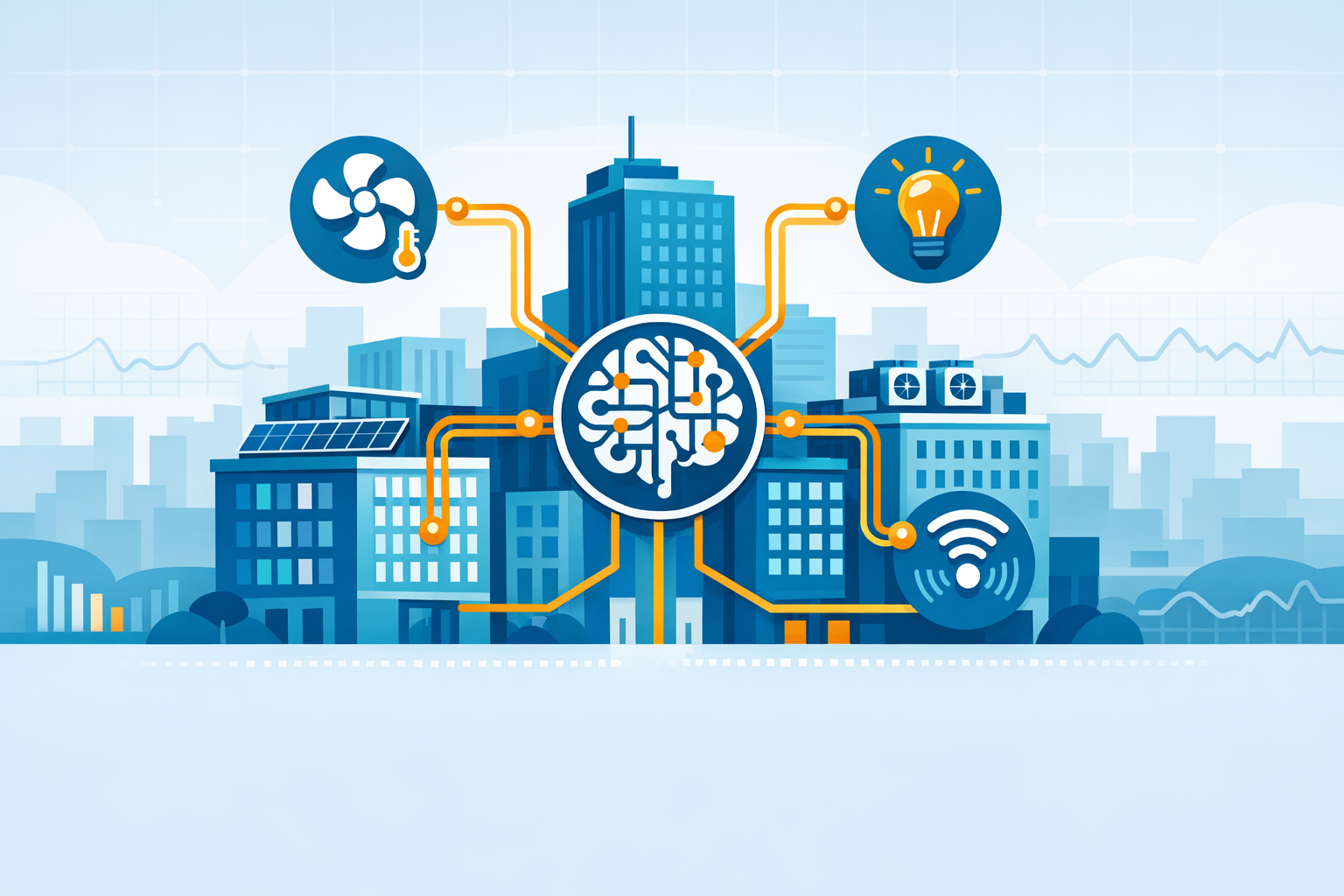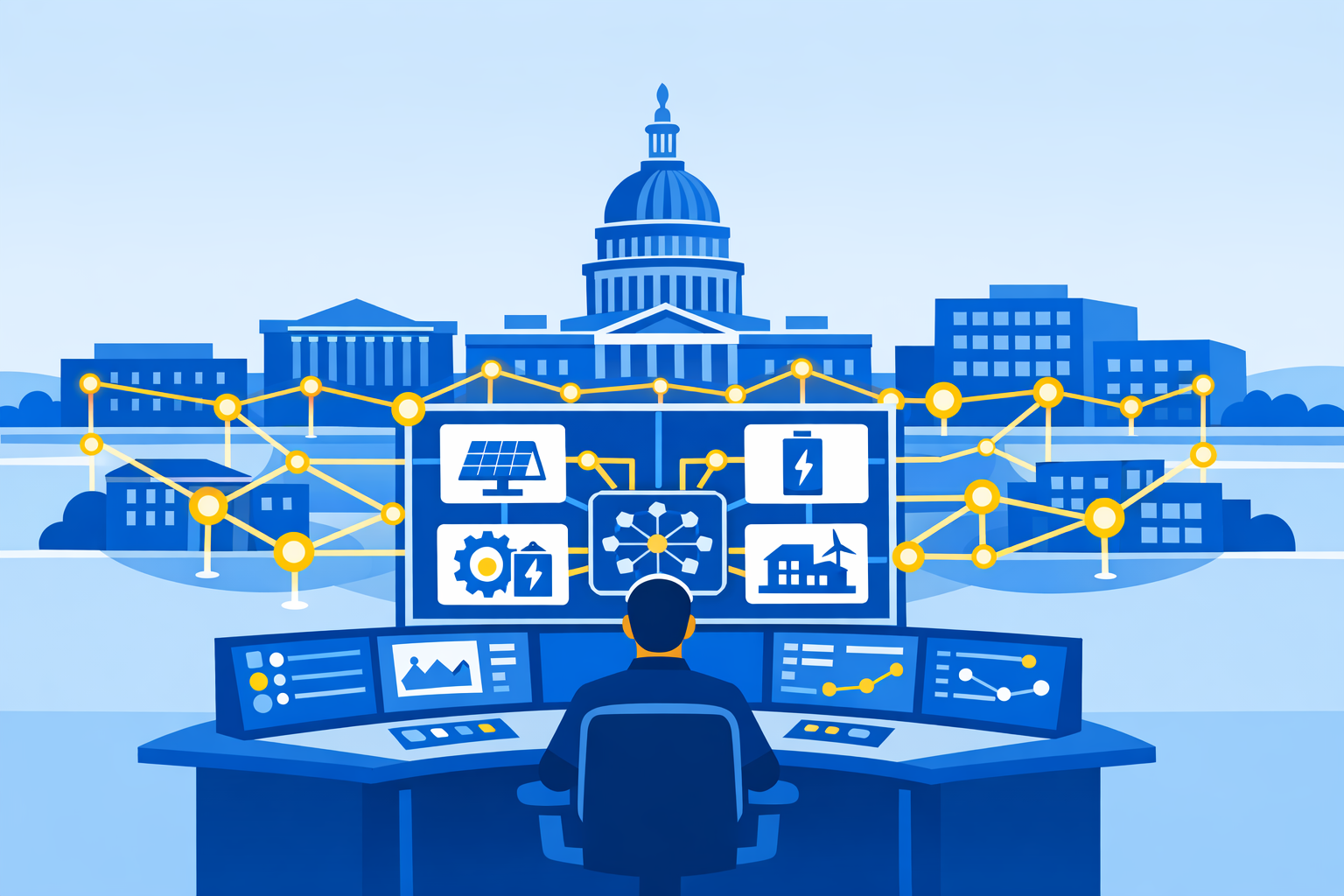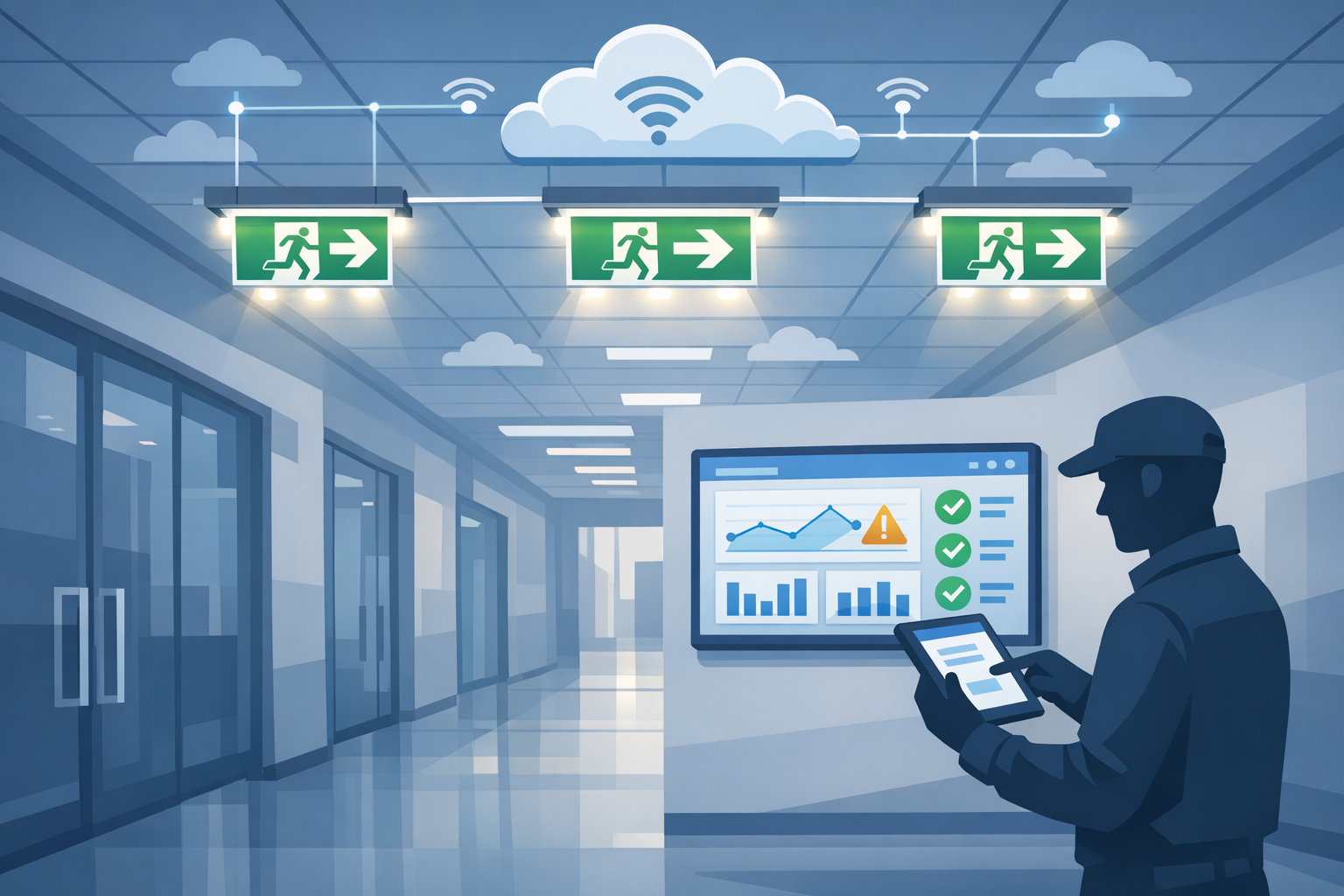
A shift is underway as emergency lighting transitions from standalone safety fixtures to integrated, digitally connected building systems. Facility and building management professionals are adopting cloud-based monitoring, automated testing, predictive maintenance, and subscription-based service models to improve safety, compliance, and operational efficiency.
Background
Historically, emergency lighting required manual testing and periodic inspection, often involving labor-intensive processes and paper logbooks. Maintaining compliance with standards such as DIN EN 50172 and national fire safety codes created significant administrative demands. The emergence of smart building platforms and Internet of Things (IoT) connectivity now enables emergency lighting to integrate with broader building management systems, transforming static safety features into data-driven assets.
Details
Several providers now offer connected emergency lighting solutions. Eaton's VisionGuard software delivers cloud-based, real-time status monitoring and electronic logbooks that comply with DIN EN 50172 and DIN VDE V 0108-100-1. The system features customizable alerts and automated reporting[1]. Eaton's wireless emergency lighting monitoring uses a cloud-connected radio mesh network, eliminating data cabling and enabling remote commissioning through a mobile app integrated with its Building Safety Management System (BSMS)[2].
Signify introduced its Interact emergency lighting system in June 2025, offering wireless monitoring and automated testing through a secure cloud dashboard. The solution supports regulatory compliance by automating function and duration tests and allows unified control of general and emergency lighting via the Interact Building Manager platform. Initial deployment was in Australia and New Zealand, with a planned European release in September 2025[3].
Predictive maintenance is gaining adoption. Systems leveraging artificial intelligence (AI) analytics can detect lighting failures with 85-92% accuracy up to four weeks in advance. These solutions integrate with building management systems (BMS), automate compliance documentation for codes such as NFPA 101, and generate diagnostic work orders for facilities teams[4]. Broader AI-based predictive platforms now include emergency lighting among critical life safety systems. These platforms evaluate asset health, identify degradation patterns, and support condition-based maintenance across emergency lighting, fire pumps, and smoke control systems using standard BMS protocols[5].
Connected solutions extend beyond European and global manufacturers. Glamox provides wired and wireless systems with automated testing and reporting via Glamox Connect dashboards to reduce maintenance demands and support compliance[6]. Retrofit sensors forming smart mesh networks are also emerging, enabling autonomous, standard-compliant testing and battery lifecycle monitoring without extra wiring. These devices are rapidly commissioned and support predictive maintenance and audit trail generation via SaaS portals[7].
Outlook
Integration of emergency lighting into smart building infrastructure is poised to accelerate. Building operators are expected to benefit from real-time visibility, reduced manual intervention, enhanced compliance reporting, and predictive maintenance. As these systems advance, they are likely to become standard components of energy and safety analytics platforms in commercial buildings.