Coherent ships 300 mm SiC substrate samples to AI semiconductor partners
Coherent began sampling 300 mm high-thermal-conductivity SiC substrates to AI chip customers on 17 August 2026, targeting a 25% heat-spreading improvement over current solutions.
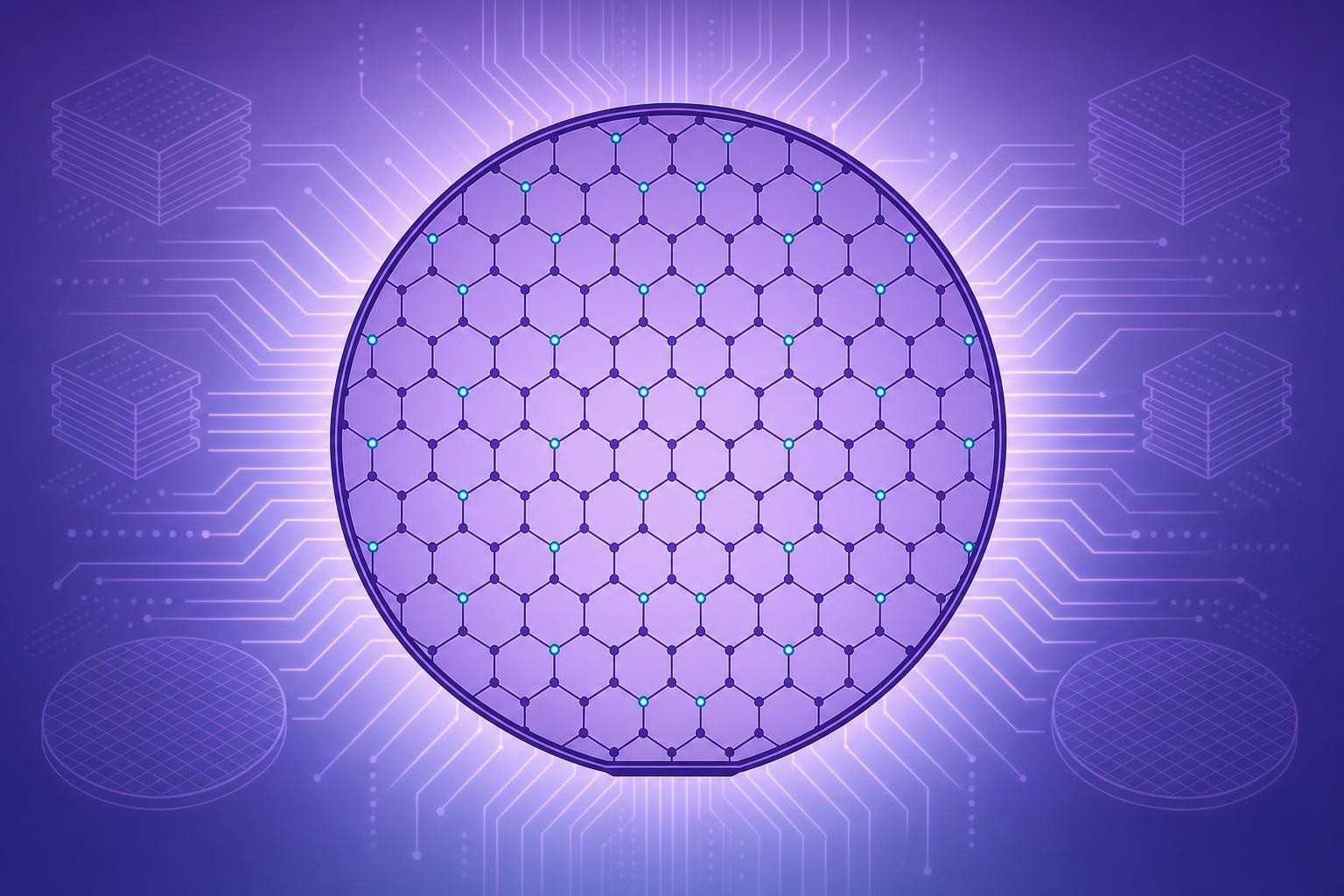
Coherent Corp. (NYSE: COHR) announced on 17 August 2026 that it has begun shipping 300 mm high-thermal-conductivity silicon carbide (SiC) substrates to leading AI semiconductor partners for evaluation[1]. The move takes the material from internal development into customer hands as heat removal becomes a hard constraint on AI processor performance[1].
Why 300 mm matters for AI packaging
Higher power densities in AI accelerators are making thermal management a primary bottleneck for system performance, reliability, and datacenter efficiency[1]. Coherent is targeting that problem with SiC substrates designed for heat spreaders and related advanced packaging applications[1].
The substrates are engineered to improve heat spreading by up to 25% compared with current solutions, while remaining compatible with existing semiconductor manufacturing platforms[1]. The 300 mm format is particularly significant because it matches the wafer size used across advanced semiconductor production, making SiC thermal management materials easier to slot into existing manufacturing flows[1].
Silicon carbide brings a combination of properties that conventional materials struggle to match in this role:
- High thermal conductivity for lateral heat spreading across the package
- Mechanical strength to survive the stresses of advanced packaging assembly
- Thermal stability across the operating range of high-power AI processors[1]
Coherent's vertical integration
Coherent's position in this market rests on end-to-end control of the substrate supply chain. The company's vertically integrated capabilities span SiC crystal growth, wafering, polishing, and characterization[1]. That integration is intended to support a transition from customer sampling to higher-volume manufacturing if demand develops as expected.
The SiC business itself carries significant strategic backing. DENSO and Mitsubishi Electric each invested $500 million in Coherent's silicon carbide subsidiary in December 2023, taking a 12.5% non-controlling stake each, with Coherent retaining 75% ownership. Those investments were originally tied to long-term supply agreements for 150 mm and 200 mm substrates for electric-vehicle power devices - the 300 mm AI thermal platform represents a separate, newer application layer built on the same manufacturing infrastructure.
"AI performance is increasingly constrained by the industry's ability to remove heat from next-generation processors," said Craig Mullaney, Senior Vice President and General Manager at Coherent[1].
From sampling to volume
The sampling phase is a standard qualification step before volume commitments. Customer feedback from the evaluation will shape how the material platform develops as chipmakers and packaging houses look for new ways to manage rising thermal loads[1].
The 300 mm format aligns with the wafer size used in advanced semiconductor production, potentially making SiC thermal management materials easier to integrate into existing manufacturing flows without retooling.
The timeline from customer sampling to volume supply in advanced packaging materials typically runs 12 to 24 months, depending on qualification cycles and customer roadmap alignment. Whether Coherent converts this evaluation into production orders will depend on how the 25% heat-spreading improvement holds up under the full range of packaging integration tests that AI chip customers run before committing to a new substrate material.
Written by Electronics Insider's automated desk from the sources above and published automatically. How we work.
Related
 Design & EDA
ETH Zürich and NYU show JEDEC test loops miss worst-case HBM2 power by 23.6%
Researchers at ETH Zürich and NYU tested 36 real HBM2 chips and found JEDEC measurement loops understate peak power by 23.6%, with read ops and data-bus toggling as the main drivers.
15 Oct 2026 Design & EDA
FlowAccel's Joel Jorgensen argues chip teams must design their workflows before AI can help them hit tape-out
Joel Jorgensen of FlowAccel argues that AI tools alone won't save a tape-out schedule - teams must first design the cross-team workflows that let those tools compound into real gains.
15 Oct 2026 Semiconductors
ETH Zürich and NYU find JEDEC test loops underestimate HBM2 power by up to 35.4%
Researchers at ETH Zürich and NYU tested 36 real HBM2 chips and found JEDEC-specified current loops can underestimate peak power by up to 35.4%, with implications for AI accelerator thermal design.
15 Oct 2026