Cerebras Systems stock falls 47% from its 14 May 2026 IPO-day high as margin concerns override revenue growth
Cerebras Systems soared 68% on its Nasdaq debut on 14 May 2026, then lost nearly half its peak value within six weeks as investors punished a shrinking gross-margin outlook.
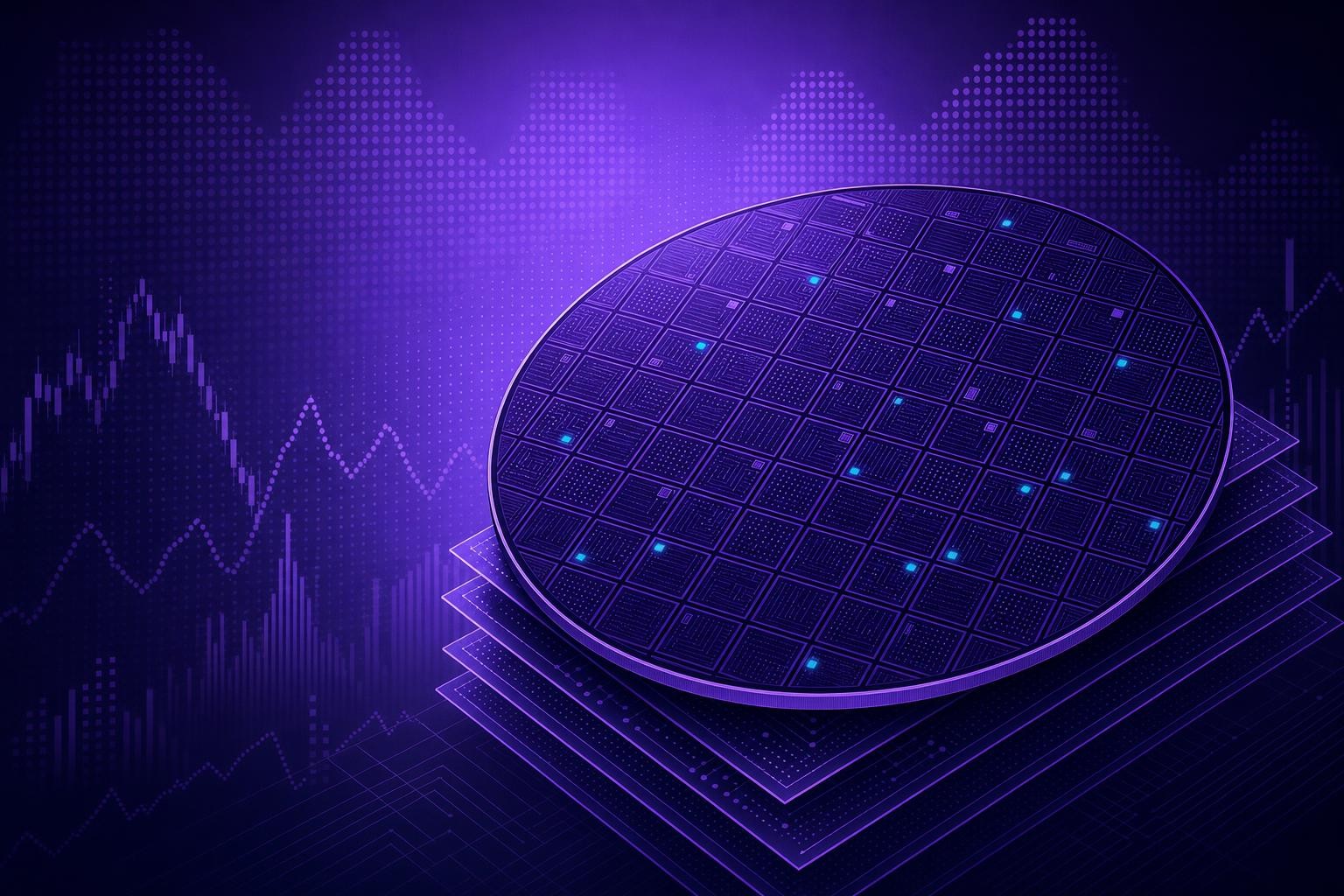
Cerebras Systems (CBRS) priced its IPO at $185 per share on 14 May 2026, opened at $350, and closed the day at $331.07 - a 68% first-day gain that gave the AI chip company a market cap of roughly $95 billion[1]. The offering raised $5.55 billion, making it the largest US technology IPO since Uber's 2019 debut. Six weeks later, the stock was trading around $200, down roughly 47% from its intraday high of $386.34.
The IPO and what drove the surge
Cerebras builds wafer-scale AI chips - processors that pack far more on-chip SRAM than competing GPU or LPU designs - and sells inference-as-a-service through data centres loaded with its hardware. Investor appetite on debut day was exceptional:
- Demand exceeded available shares by more than 20 times, according to Bloomberg.
- The company carried a reported sales backlog of $24.6 billion at year-end 2025.
- Partnerships with Amazon Web Services and OpenAI, which launched its first model running on Cerebras silicon earlier in 2026, added credibility.
At the listing-day high, the implied market value reached close to $85-95 billion, or roughly 90-100 times trailing revenue. At that multiple, there was no room for any execution shortfall.
Where the altitude was lost
The slide began the morning after the IPO, when shares fell 10% on the second trading day. Analysts at Davidson had flagged ahead of the debut that the wafer-scale technology was still in "early stages of maturity" and less flexible than existing AI chip systems. After the post-IPO quiet period ended on 8 June, nine major Wall Street brokerages initiated coverage simultaneously with buy-equivalent ratings - yet the stock could not hold above $260.
The decisive blow came on 23 June 2026, when Cerebras reported its first quarterly results as a public company. Revenue grew 92% year-on-year in Q1 2026, rising from $99.5 million to approximately $191 million. That beat estimates. What did not: the company guided gross margin down to 36-38% for Q2, a contraction that signalled the cost of scaling its unusual manufacturing model. Shares fell a further 10-14% in after-hours trading and into the following session.
The pattern is a familiar one in the semiconductor cycle. The Philadelphia Semiconductor Index (SOX) had surged 65% year-to-date by mid-2026, creating an environment in which even strong earnings results do not automatically translate into share-price gains. Cerebras is navigating the same dynamic that has tripped other would-be Nvidia rivals: investors accustomed to the rapid revenue growth and expanding margins of the market leader apply the same template to every new entrant, then reprice sharply when the numbers diverge.
The question now is whether the margin compression is structural - a consequence of Cerebras' reliance on TSMC for wafer-scale packaging at volumes that do not yet support cost leverage - or a temporary feature of early commercial ramp. The company's $24.6 billion backlog and its AWS and OpenAI contracts suggest the demand side is real. Whether the supply-side economics can catch up with the valuation, even at $200, is what the next two earnings reports will settle.
Written by Electronics Insider's automated desk from the sources above and published automatically. How we work.
Related
 Semiconductors
Token spend is becoming a line item in EDA project budgets, DAC roundtable finds
A closed-door DAC 2026 roundtable with Cadence, Synopsys, Siemens EDA, Keysight, and ChipAgents found token cost has moved from an afterthought to a formal budget concern in chip design projects.
10 Sept 2026 Design & EDA
Cadence's Amol Borkar explains why AI voice at the edge demands a rethink of SoC architecture, not just faster processors
Semiconductor Engineering's interview with Cadence's Tensilica DSP lead lays out why NLP is reshaping audio SoC design - and why raw clock speed is the wrong lever to pull.
10 Sept 2026 Design & EDA
French gendarmerie researchers show voltage glitching bypasses eMMC password locks on 3 of 10 commercial parts, with measurable evidence alteration
A paper from France's Institut de Recherche Criminelle quantifies both the success rate and the data-integrity cost of fault-assisted eMMC access in forensic investigations.
10 Sept 2026