Token spend is becoming a line item in EDA project budgets, DAC roundtable finds
A closed-door DAC 2026 roundtable with Cadence, Synopsys, Siemens EDA, Keysight, and ChipAgents found token cost has moved from an afterthought to a formal budget concern in chip design projects.
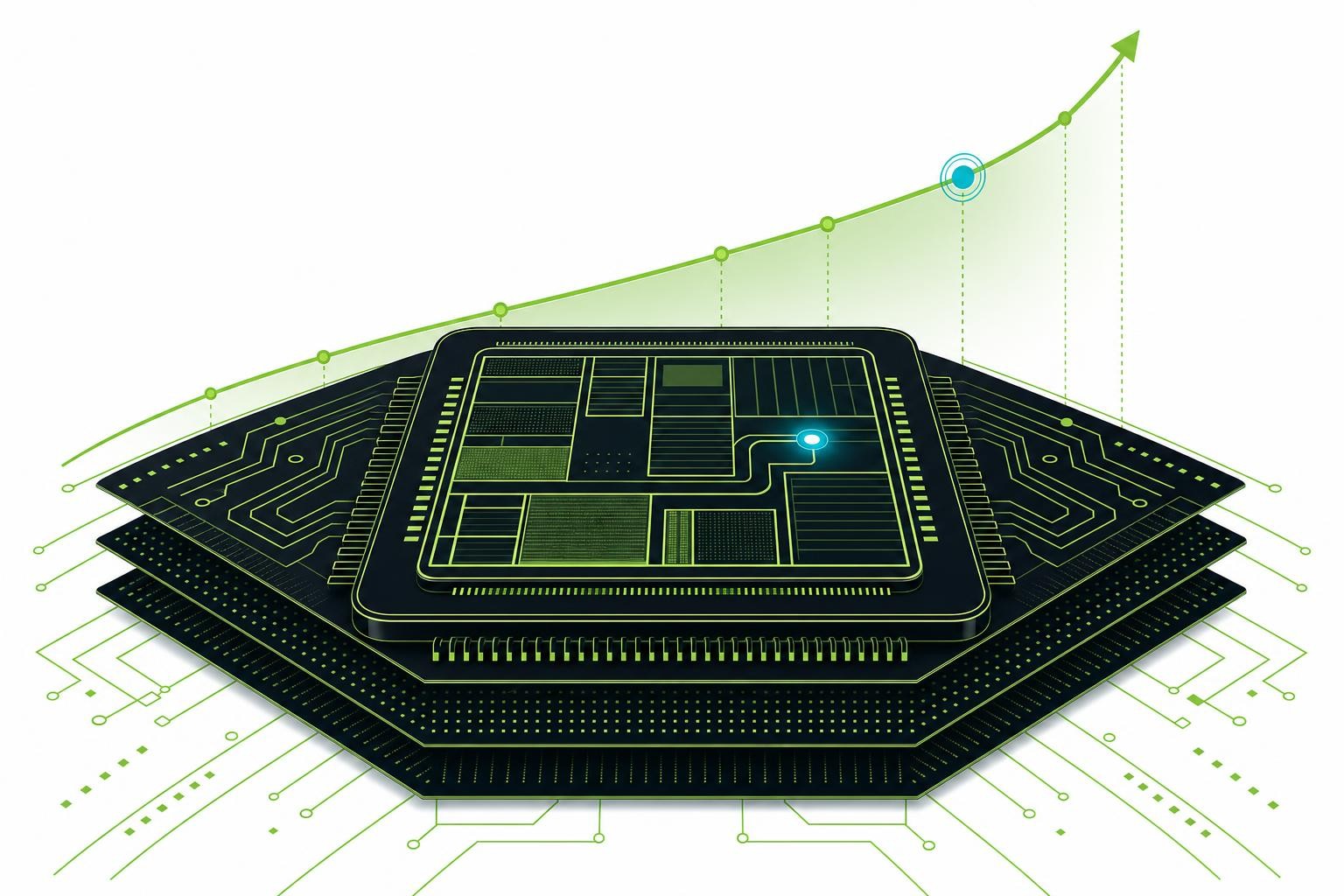
A closed-door roundtable held at the Design Automation Conference in Long Beach found that cost per token has moved from an afterthought to a formal line item in chip design project budgets, with design, verification, and implementation teams now asking EDA vendors directly how to plan for it[1]. The shift has happened fast: participants noted that token budgets were barely discussed a year ago but have become a prominent topic in vendor conversations over the past three to four weeks alone[1].
Token waste is now measurable against mask costs
The core concern is proportionality. As one participant put it, the token budget - wasted or not - is becoming a large enough share of total project cost that it is starting to matter in the same breath as mask-set expenditure[1]. A TSMC mask set at an advanced node can run into the hundreds of millions of dollars, and verification teams running thousands of agents that double- or triple-check every decision are burning tokens against that backdrop[1].
The problem is compounded by how agents interact with commercial tools. Research presented at DAC 2026 found a 141x spread in token cost efficiency across agent runs that achieved similar design progress, because agents cannot confirm whether a tool invocation succeeded without re-running expensive verification checks.
The practical consequence is a shift in how teams structure access:
- Engineering-level token or dollar caps are replacing unlimited budgets[1].
- Interest in frontier open-source models is rising as teams look for predictable, depreciable CapEx alternatives to per-token API pricing[1].
- Keysight's ADS 2027 tool explicitly supports open-source models as a mechanism for keeping token costs low, alongside MCP server connectivity for multi-agent tasks.
- Siemens EDA claimed a 5x to 10x reduction in token costs in its Fuse EDA AI Agent system's Solido Characterization Suite at DAC 2026, alongside more than 10x faster library characterization.
Verification cannot be replaced by token-heavy reasoning
Several participants pushed back on the idea that agents alone can substitute for deterministic simulation. Physical signoff - thermal, power, signal integrity - still runs on multiphysics engines, and no amount of LLM reasoning changes the outcome if those checks fail[1]. The point matters for token economics: teams that route verification tasks to agents rather than engines risk spending tokens on work that still requires a simulation run at the end.
Quality-adjusted AI model prices fell nearly 80% between January 2024 and April 2026, according to an OECD report published on 10 July 2026, which gives some relief. But the roundtable consensus was that falling unit prices do not automatically translate into controlled project costs when agent workflows can scale token consumption exponentially.
What engineers need alongside the models
The roundtable identified two literacy gaps that determine whether token spend is productive or wasted: tool literacy - knowing which EDA tool to invoke for a given task - and workflow literacy - understanding how tasks chain together across the foundation model, tools and memory, and orchestration layers[1]. Reinforcement learning, flow capturing, and model routers were cited as the mechanisms needed to keep agents on precise workloads, particularly in mixture-of-experts deployments[1].
The next pressure point to watch is how EDA vendors price agentic tiers. A shift from per-seat licensing toward throughput-based pricing is already being discussed in the industry, which would move token efficiency from an internal engineering concern to a contractual one - and make the budget battle considerably more visible.
Written by Electronics Insider's automated desk from the sources above and published automatically. How we work.
Related
 Design & EDA
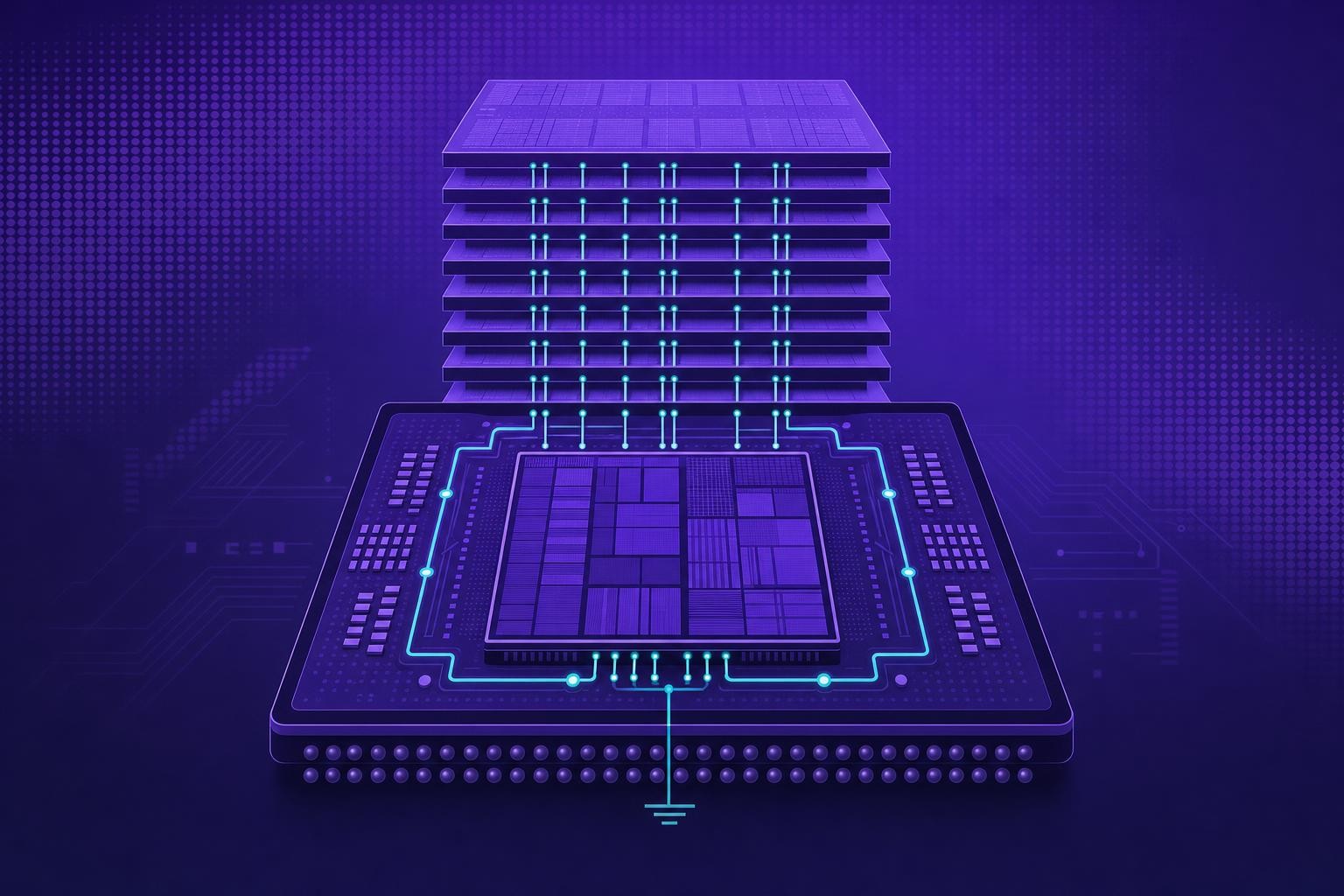
ETH Zürich and NYU show JEDEC test loops miss worst-case HBM2 power by 23.6%
Researchers at ETH Zürich and NYU tested 36 real HBM2 chips and found JEDEC measurement loops understate peak power by 23.6%, with read ops and data-bus toggling as the main drivers.
15 Oct 2026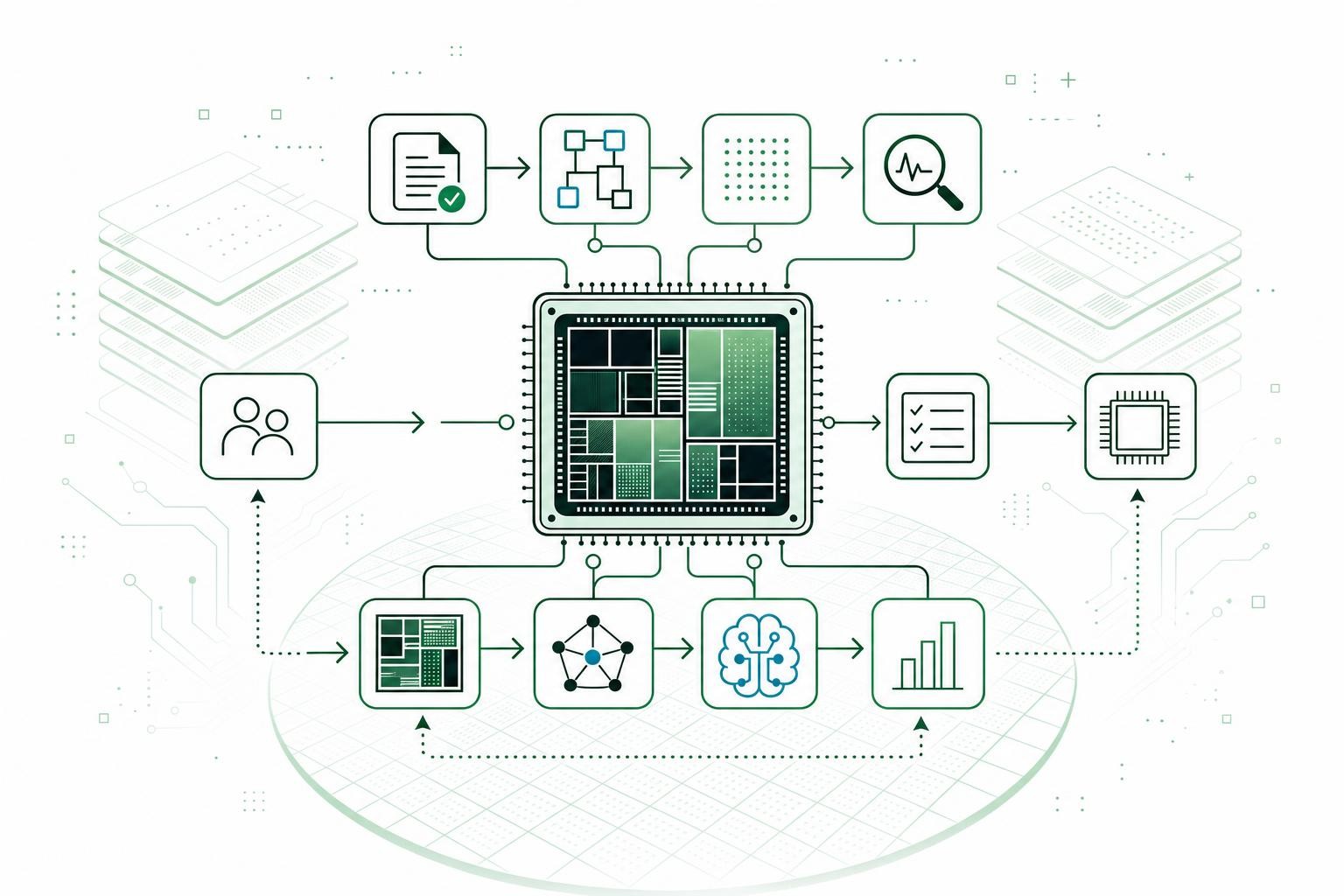 Design & EDA
FlowAccel's Joel Jorgensen argues chip teams must design their workflows before AI can help them hit tape-out
Joel Jorgensen of FlowAccel argues that AI tools alone won't save a tape-out schedule - teams must first design the cross-team workflows that let those tools compound into real gains.
15 Oct 2026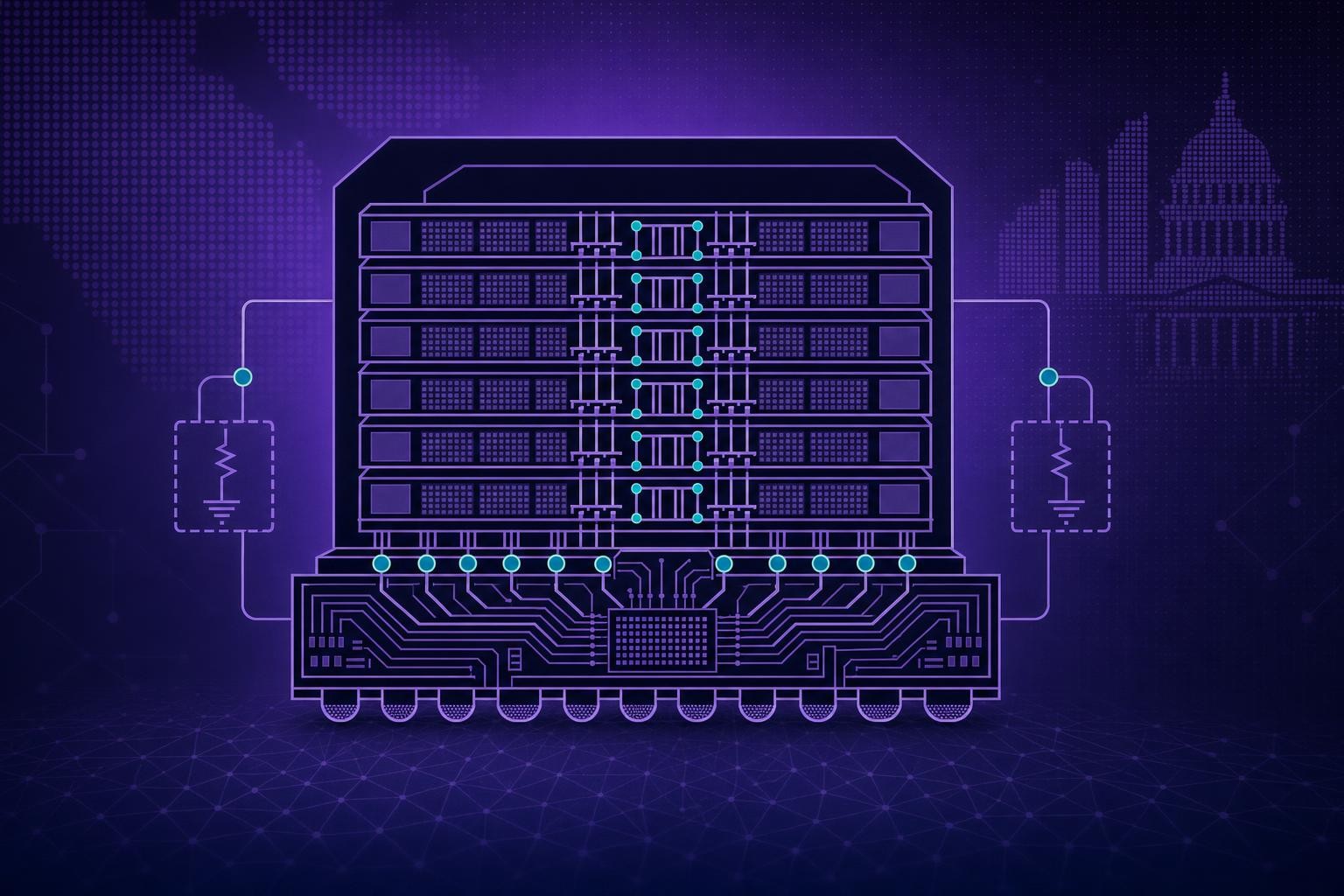 Semiconductors
ETH Zürich and NYU find JEDEC test loops underestimate HBM2 power by up to 35.4%
Researchers at ETH Zürich and NYU tested 36 real HBM2 chips and found JEDEC-specified current loops can underestimate peak power by up to 35.4%, with implications for AI accelerator thermal design.
15 Oct 2026