Molex's MiniMix connector puts 15 A and 1 Gbps Ethernet into a 5.65 mm profile for humanoid robot joints
Molex unveiled MiniMix on 5 August 2026, a hybrid power-and-signal connector that routes 15 A and 1000BASE-T1 Ethernet through a 5.65 mm profile for humanoid robot joints.
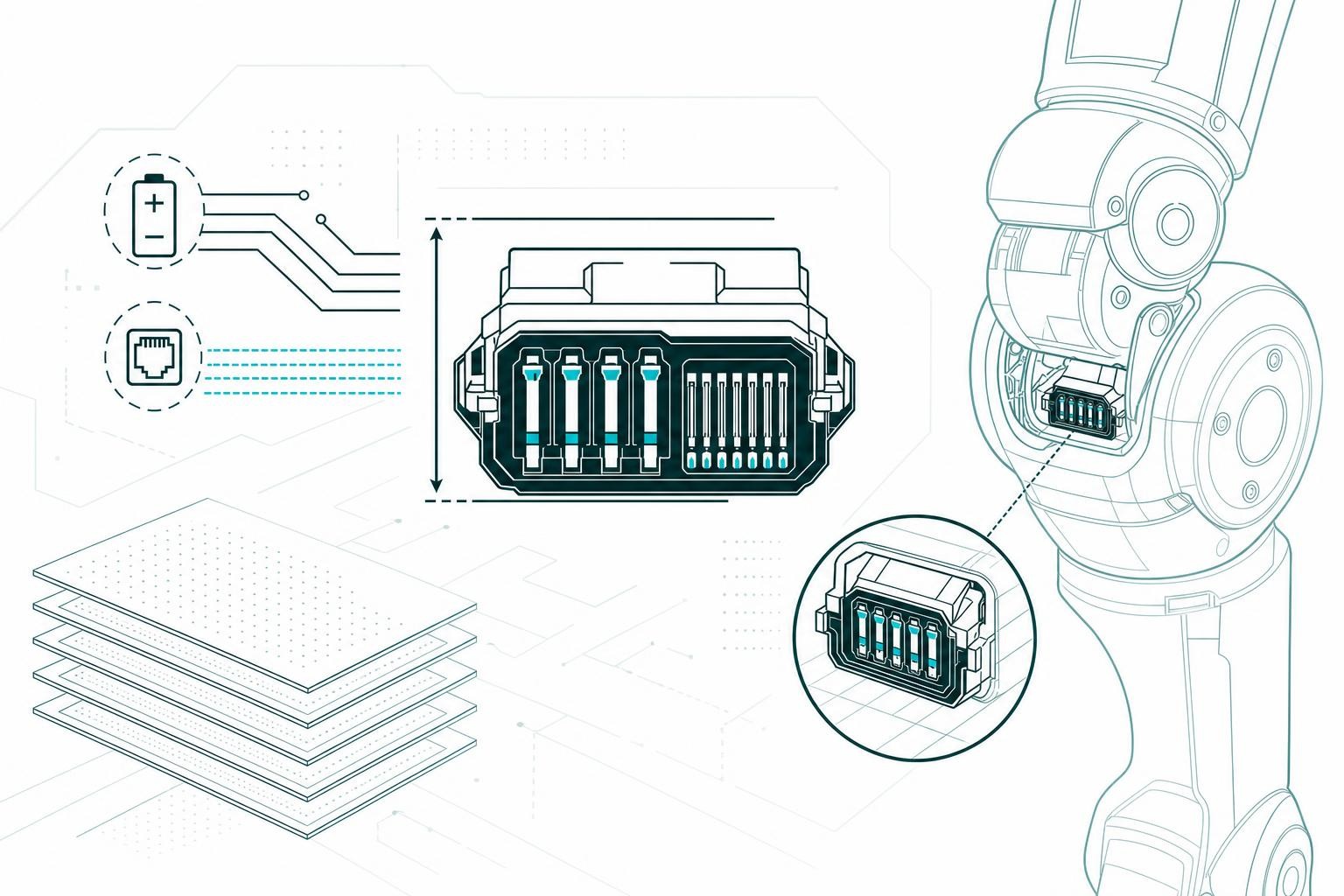
On 5 August 2026, Molex unveiled the MiniMix Hybrid Power and Signal Connector family, combining 15 A power delivery and 1 Gbps 1000BASE-T1 Ethernet in a single interface with a 5.65 mm routing profile - aimed squarely at the wrist, elbow, knee and ankle joints of humanoid robots moving toward volume production.[1]
The engineering problem MiniMix addresses
Conventional robotic joint designs use separate power and signal connectors. That approach increases connector count and harness bulk, and in the tightest mechanical envelopes it forces assemblers to route bare wires and hand-solder terminals during final build.[1] The result is a bottleneck that slows line rates as manufacturers try to scale from prototype quantities to commercial volumes.
MiniMix consolidates both functions into one interface. Molex says the design requires up to 50% less routing area than alternative approaches, enabling pre-terminated cable assemblies to pass through narrow actuator channels rather than being assembled in place.[1] The connector is offered in vertical and right-angle mating orientations to suit different mechanical layouts, and its construction is rated for vibration resistance and repeated flexing across continuous motion cycles.[1]
Why joint actuators are the cost pressure point
The scale of the problem is significant. A 2026 McKinsey supply-chain analysis estimates that joint actuator systems account for 40% to 60% of a humanoid robot's total bill of materials.[1] With some humanoid designs incorporating around 50 articulated actuators, cabling complexity compounds quickly: each joint that requires manual wiring adds assembly time, introduces a potential failure point, and limits the throughput of a production line.[1]
The connector addresses all three. Pre-terminated assemblies reduce manual labour; a lower connector count shrinks the harness; and a single, vibration-resistant interface cuts the number of joints that can work loose in service.
Where MiniMix sits in Molex's robotics portfolio
MiniMix is a wire-to-board and cable-assembly platform, not a standalone product. Molex positions it alongside a broader set of robotics interconnects:
- Mirror Mezz mezzanine connectors for AI compute platforms, including the NVIDIA Jetson Thor Module[1]
- Quad-Row board-to-board connectors for dense sensor arrays
- High-Speed FAKRA-Mini interconnects for LiDAR and spatial vision
- Mega-Fit and EXTreme Ten60 products for higher-current power distribution[1]
The intent is to give robotics OEMs a single-supplier path from central AI processing through sensory perception to multi-axis mechanical motion, reducing integration risk as designs move from engineering samples to production tooling.
Availability
Samples and functional evaluation assemblies are available now, with full commercial production scheduled for late 2026.[1] The timeline aligns with several humanoid robot programmes that have publicly targeted initial production runs in the second half of this year. Whether MiniMix's 50% routing-area claim holds across the range of joint geometries in competing humanoid architectures - each with different actuator diameters and cable-routing paths - will be the practical test that design-in customers run first.
Written by Electronics Insider's automated desk from the sources above and published automatically. How we work.
Related
 Design & EDA
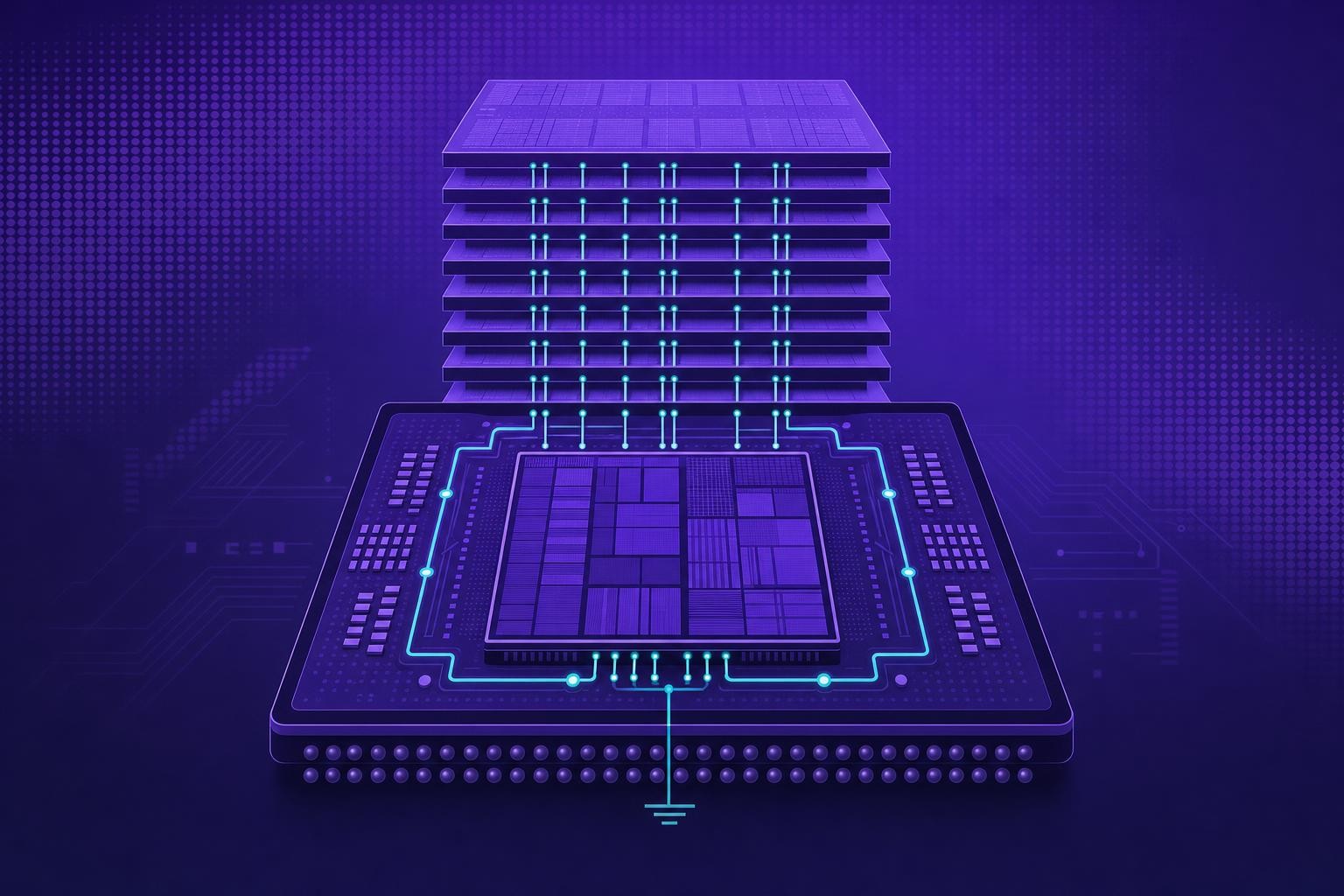
ETH Zürich and NYU show JEDEC test loops miss worst-case HBM2 power by 23.6%
Researchers at ETH Zürich and NYU tested 36 real HBM2 chips and found JEDEC measurement loops understate peak power by 23.6%, with read ops and data-bus toggling as the main drivers.
15 Oct 2026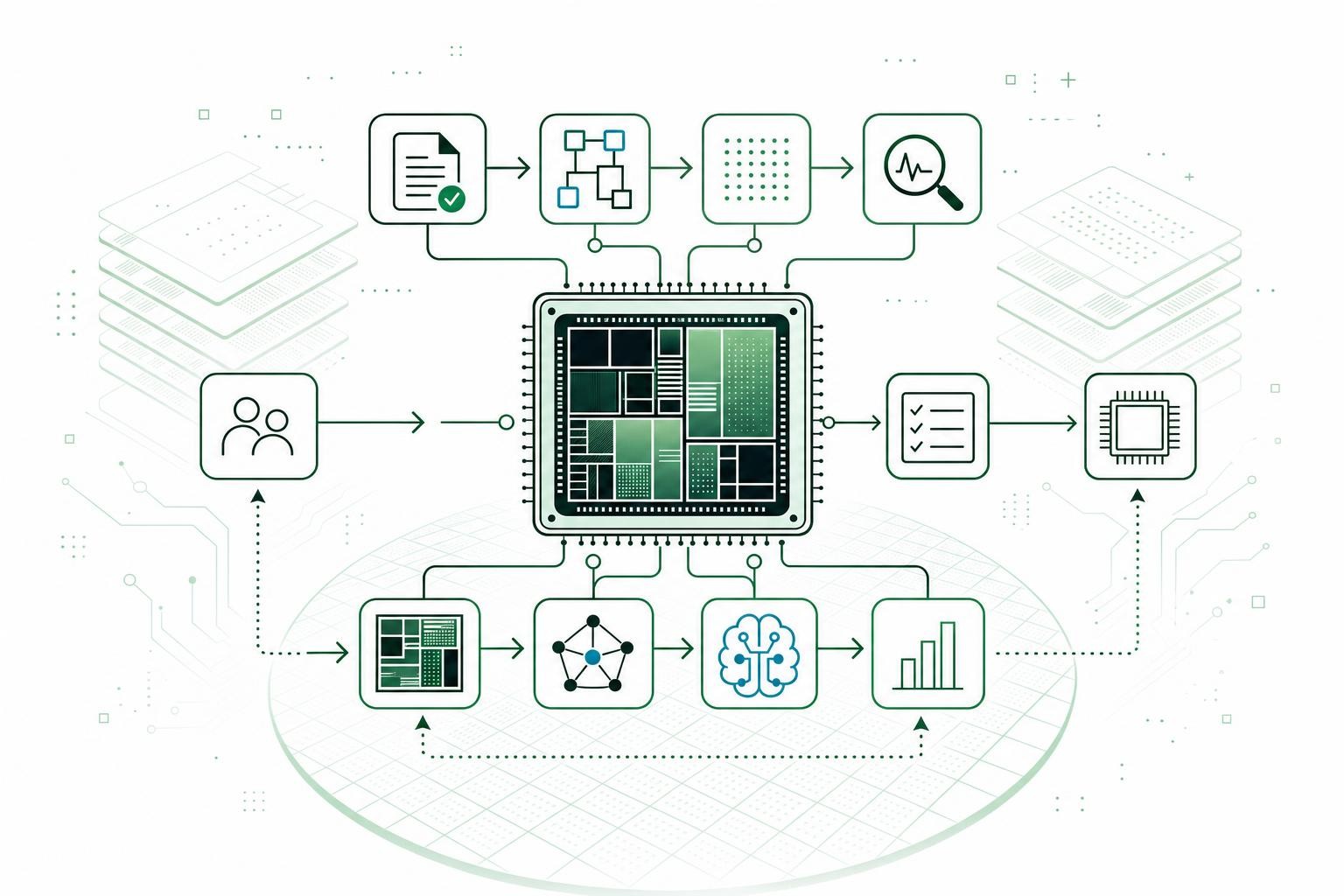 Design & EDA
FlowAccel's Joel Jorgensen argues chip teams must design their workflows before AI can help them hit tape-out
Joel Jorgensen of FlowAccel argues that AI tools alone won't save a tape-out schedule - teams must first design the cross-team workflows that let those tools compound into real gains.
15 Oct 2026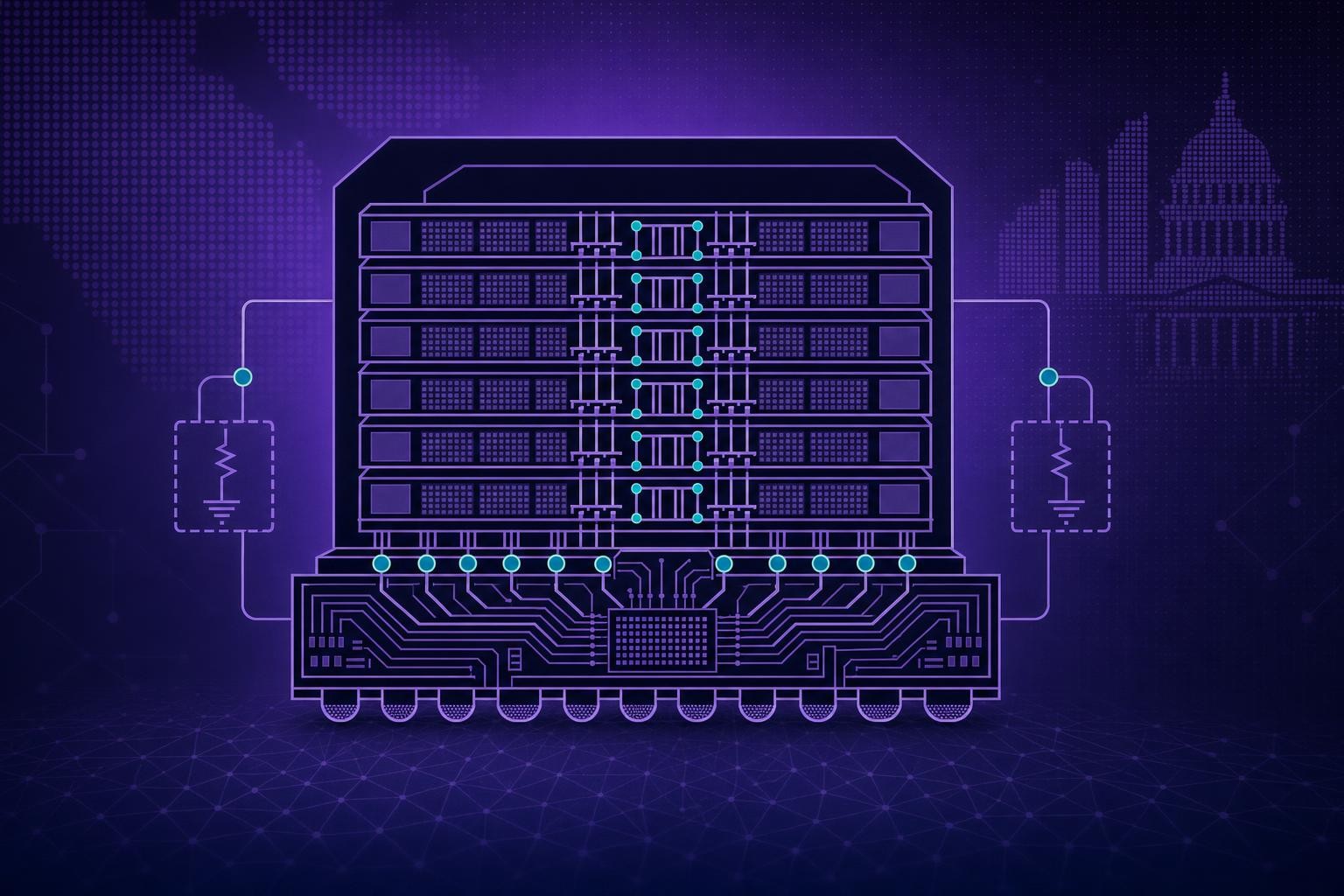 Semiconductors
ETH Zürich and NYU find JEDEC test loops underestimate HBM2 power by up to 35.4%
Researchers at ETH Zürich and NYU tested 36 real HBM2 chips and found JEDEC-specified current loops can underestimate peak power by up to 35.4%, with implications for AI accelerator thermal design.
15 Oct 2026