Chips&Media's WAVE6331X FuSa video codec IP earns ISO 26262 ASIL-B certification from DNV
Chips&Media received ISO 26262 ASIL-B certification for its WAVE6331X FuSa video codec IP on 2 September 2026, covering H.264, H.265, AV1, and VP9 for automotive SoC integration.
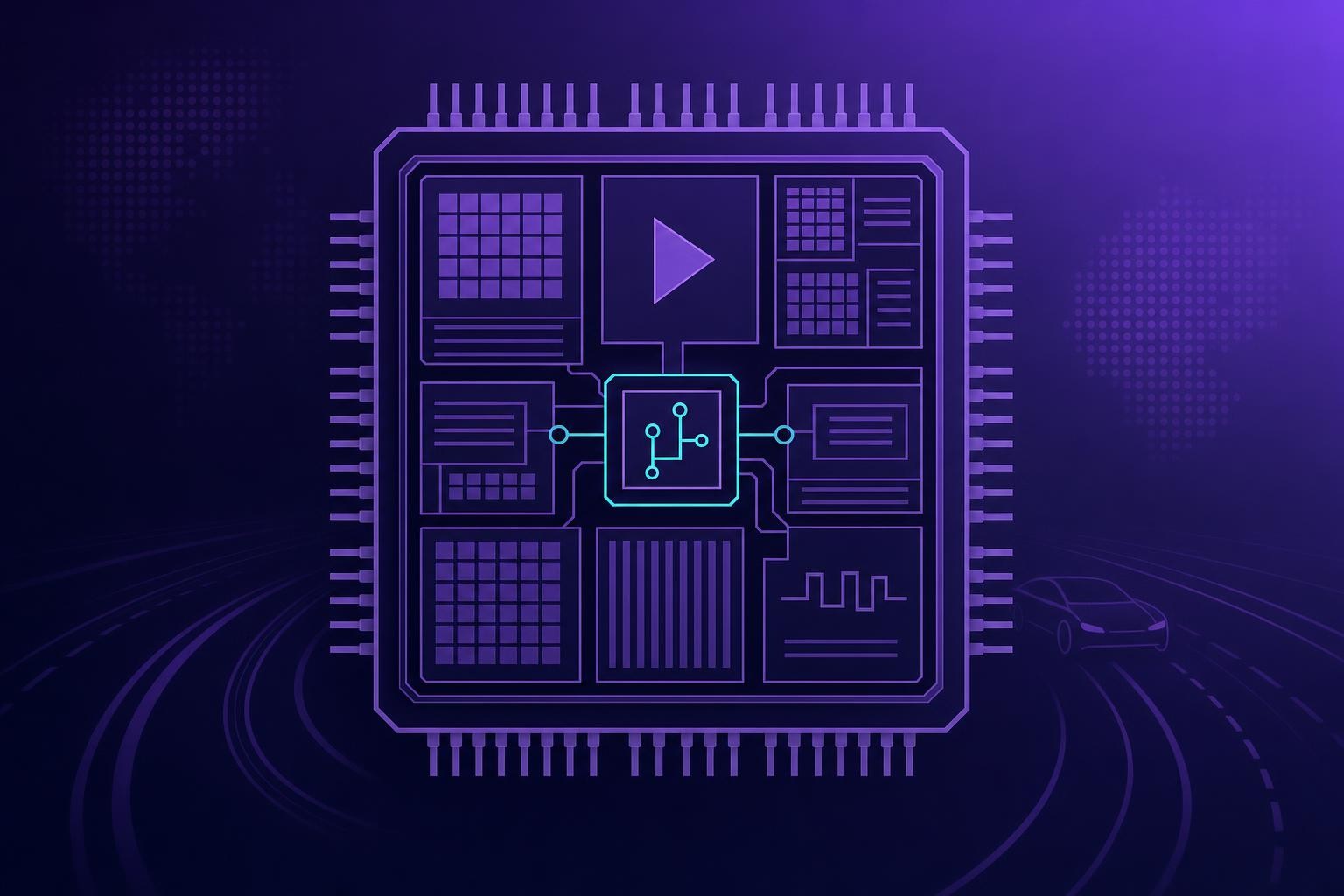
On 2 September 2026, Chips&Media (KOSDAQ: 094360) announced that its WAVE6331X FuSa video codec hardware IP has received ISO 26262 ASIL-B certification from DNV, an independent third-party certification body[1]. The result of more than two years of R&D investment, the certification positions the IP for use in automotive SoCs handling camera-based safety functions, from surround-view monitoring to object detection in automated driving[1].
Why video codec IP now needs functional safety certification
As vehicles become software-defined platforms, the hardware that processes camera streams has moved into the safety-critical computing chain[1]. If the hardware processing those feeds produces corrupted, delayed, or frozen frames, a vehicle may make decisions using incomplete or inaccurate visual information. When internal hardware faults or data corruption occur due to harsh automotive environments, WAVE6331X FuSa is designed to detect relevant anomalies and support transition of the system into a safe state within the defined fault response time.
ISO 26262 defines four Automotive Safety Integrity Levels (ASIL A through D), with ASIL D representing the most stringent requirements. ASIL-B sits in the middle of that range and is the level commonly targeted for camera-processing subsystems in ADAS applications. To ensure vehicle hardware and software for new applications meet safety standards, the entire hardware/software supply chain, including complex SoCs, must meet the ISO 26262 standard.
What the IP does and how it handles faults
By integrating safety mechanisms such as real-time CRC protection and instruction flow monitoring into the IP architecture, WAVE6331X FuSa is designed to detect relevant faults and support achievement of the ASIL-B safety target under the defined assumptions of use, while minimizing hardware area and power penalties.
The codec lineup covered by the certification is broader than is typical for automotive video IP:
- H.264/AVC
- H.265/HEVC
- AV1 (by AOM)
- VP9
Automotive video solutions have traditionally been limited to established codec standards due to certification challenges; Chips&Media has expanded the applicability of ISO 26262-based functional safety development to AVC/HEVC, AV1, and VP9, giving automotive semiconductor manufacturers greater flexibility to integrate advanced video technologies while supporting functional safety requirements.
SEooC packaging and what it means for SoC integrators
WAVE6331X FuSa is certified as a Safety Element out of Context (SEooC), meaning the IP was developed against defined assumptions before being integrated into a particular vehicle system; customers remain responsible for validating the complete system and confirming that those assumptions are satisfied. Nevertheless, a certified SEooC package - including safety manuals and development guidance - can reduce duplicated analysis, shorten integration and assessment work, and lower risk for automotive SoC developers and Tier 1 suppliers.
Chips&Media provides a certified SEooC package, including a Safety Manual, to support customers' integration, verification, and safety assessment activities at the SoC level. The company reports that its multimedia IP is already used by three of the world's five largest automotive semiconductor companies.
The next step to watch is codec coverage. Chips&Media is preparing to apply the same functional safety technology framework to emerging video standards such as AV2 and VVC (Versatile Video Coding), paving the way for future commercial deployment. Whether those extensions attract third-party certification on the same timeline as WAVE6331X FuSa will be a practical test of how quickly the company can scale its safety engineering process across its full IP portfolio.
Written by Electronics Insider's automated desk from the sources above and published automatically. How we work.
Related
 Design & EDA
ETH Zürich and NYU show JEDEC test loops miss worst-case HBM2 power by 23.6%
Researchers at ETH Zürich and NYU tested 36 real HBM2 chips and found JEDEC measurement loops understate peak power by 23.6%, with read ops and data-bus toggling as the main drivers.
15 Oct 2026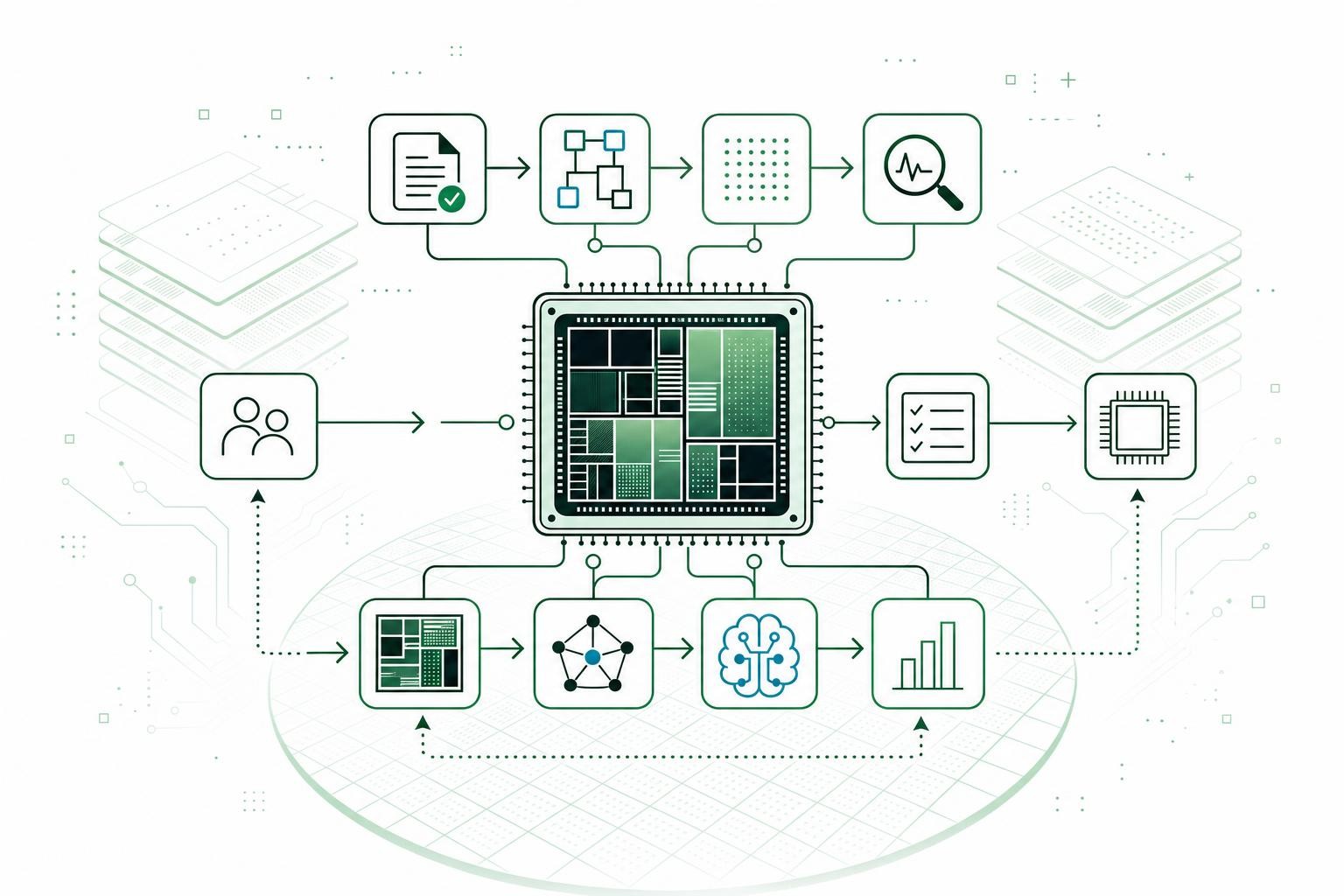 Design & EDA
FlowAccel's Joel Jorgensen argues chip teams must design their workflows before AI can help them hit tape-out
Joel Jorgensen of FlowAccel argues that AI tools alone won't save a tape-out schedule - teams must first design the cross-team workflows that let those tools compound into real gains.
15 Oct 2026 Semiconductors
ETH Zürich and NYU find JEDEC test loops underestimate HBM2 power by up to 35.4%
Researchers at ETH Zürich and NYU tested 36 real HBM2 chips and found JEDEC-specified current loops can underestimate peak power by up to 35.4%, with implications for AI accelerator thermal design.
15 Oct 2026