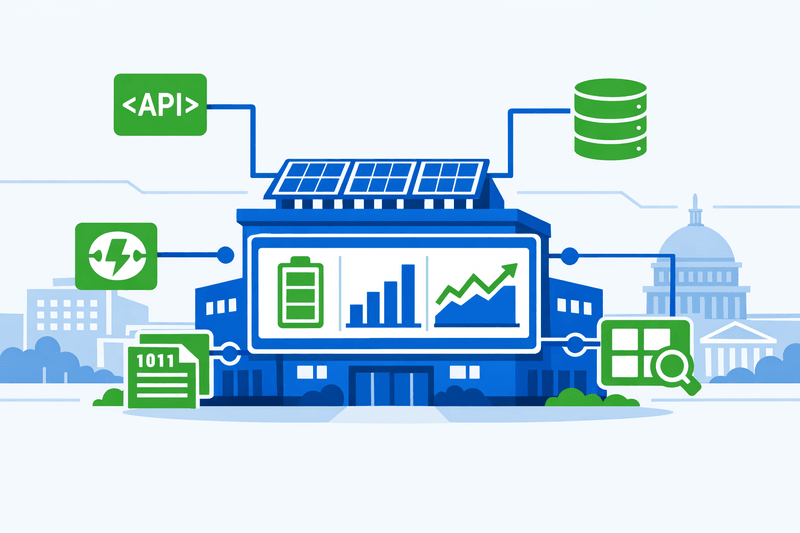
Open Data Mandates Drive Real-Time DER Coordination Across Federal Campuses
OMB M-25-05 open data mandates and interoperable EMIS standards are accelerating real-time DER coordination across federal multi-building campuses.

AI-driven, grid-aware building energy platforms reach commercial scale as utility demand response programs expand and grid capacity costs surge in 2025-2026.
OMB M-25-05 open data mandates and interoperable EMIS standards are accelerating real-time DER coordination across federal multi-building campuses.

Federal agencies mandate open-data interfaces for multi-building EMS as FEMP accelerates real-time DER coordination, reshaping procurement and OT cybersecurity standards.
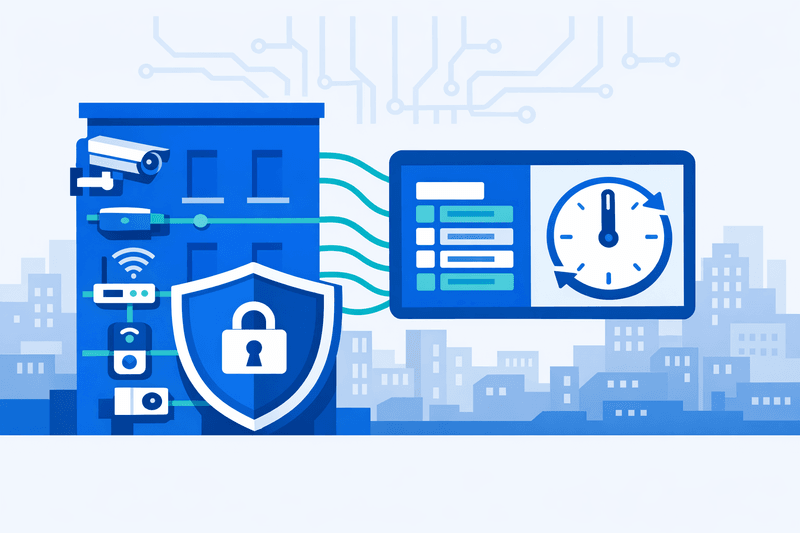
The EU Cyber Resilience Act's September 2026 reporting deadline requires building IoT vendors to report exploited vulnerabilities within 24 hours or face penalties up to €15M.
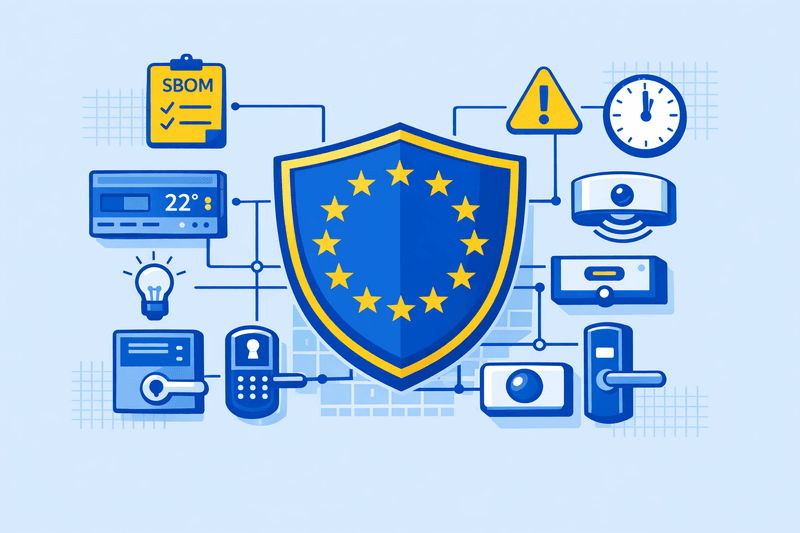
The EU Cyber Resilience Act sets a Sept 2026 vulnerability reporting deadline and Dec 2027 full compliance date for all building IoT vendors selling into the EU.

GSA mandates open APIs and non-proprietary data formats for federal EMS and DER procurement, reshaping energy management interoperability across building portfolios.

Arcadia closes its acquisition of ENGIE Impact, forming an enterprise energy platform managing 4.5M+ meters and $30B+ in annual utility payments for 1,500+ clients.

GSA launches a $350M initiative to deploy interoperable EMS and smart building upgrades across federal properties, setting standards for open-protocol automation.

Next-gen EMS platforms are redefining DER grid coordination as open data standards, cybersecurity baselines, and regulatory milestones reshape utility procurement.

GSA commits $80M in IRA funding to deploy smart building technologies-meters, sensors, and EMS dashboards-across 560 federal properties, setting new procurement and interoperability standards.
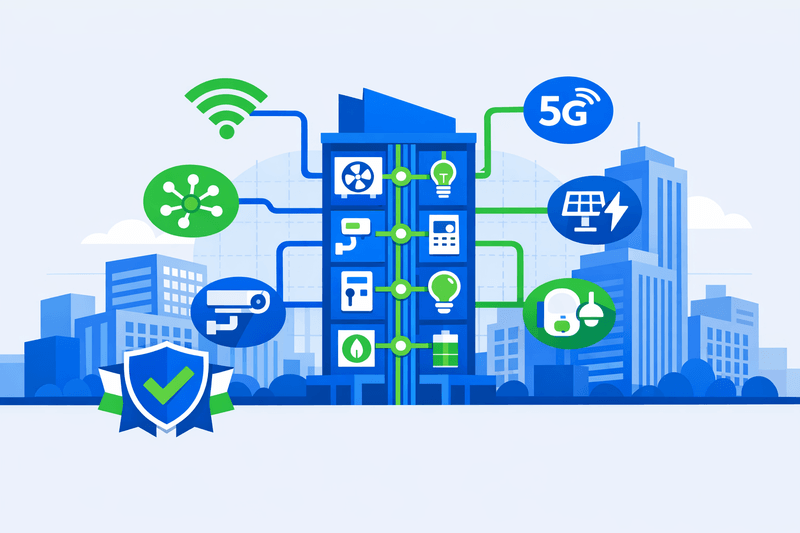
Andorix closes $10M equity round and pairs it with REIT project financing to deploy smart building networks with no upfront cost for property owners.
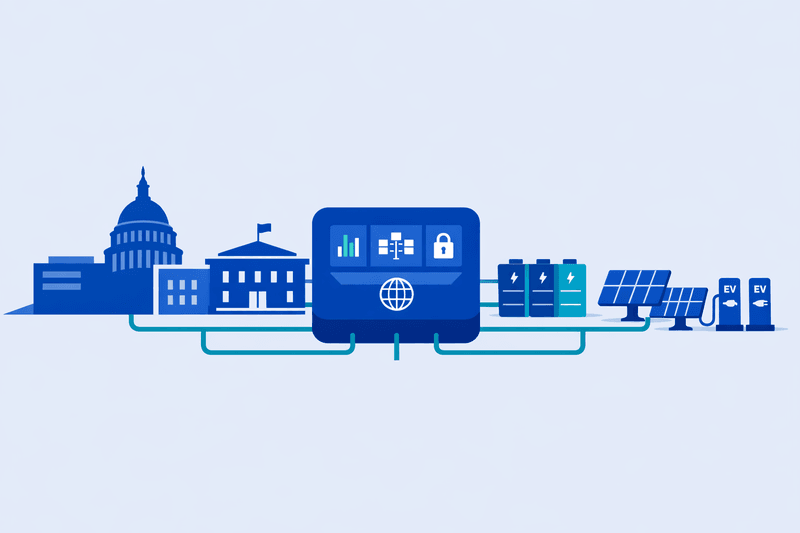
Federal agencies pilot next-gen EMS platforms in 2026 to coordinate DERs in real time, anchored by IEEE 2030.5, OpenADR, and NIST cybersecurity frameworks.
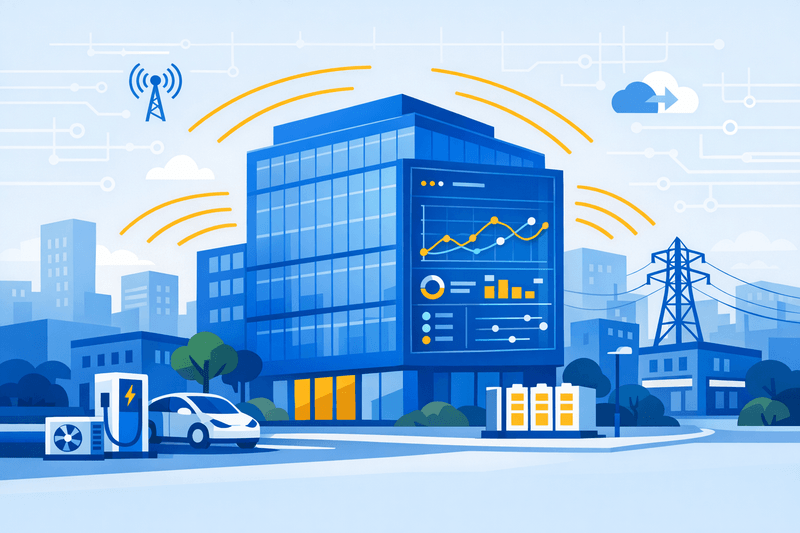
Next-gen EMS platforms enable commercial buildings to earn grid services revenue. Key data on DR financials, OpenADR mandates, PJM capacity prices, and interoperability.
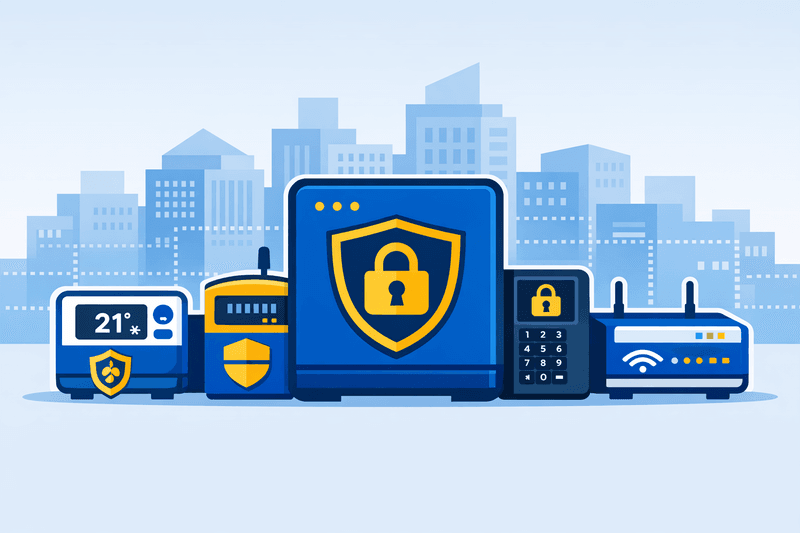
The EU Cyber Resilience Act sets binding deadlines in 2026 and 2027 for building IoT vendors covering smart meters, HVAC controllers, and access control systems.

Andorix closes a $10M equity round and REIT financing partnerships to deliver fully financed smart building networks across North America with no upfront capex.
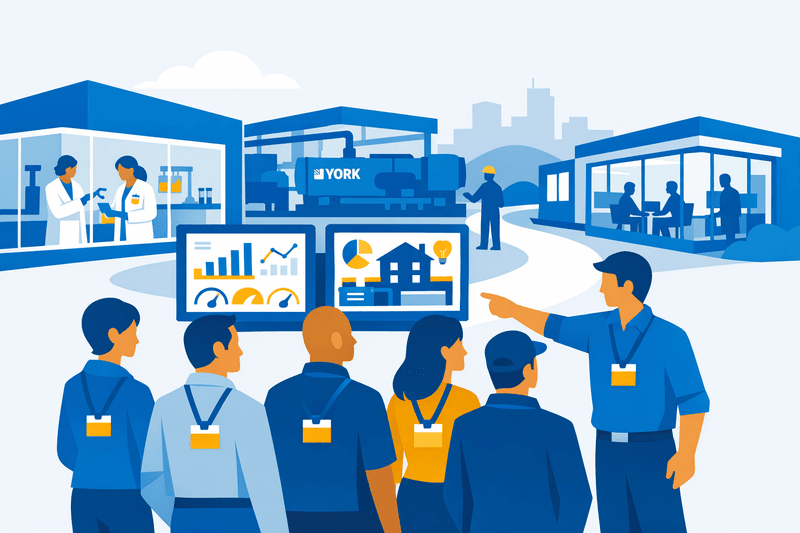
Johnson Controls hosts an all-day investor field tour on June 1, visiting JADEC, an ACE manufacturing plant, and a Baltimore service office.

The EU Cyber Resilience Act sets binding deadlines for building IoT vendors - vulnerability reporting from Sept 2026, full compliance by Dec 2027. What it means for BMS procurement.
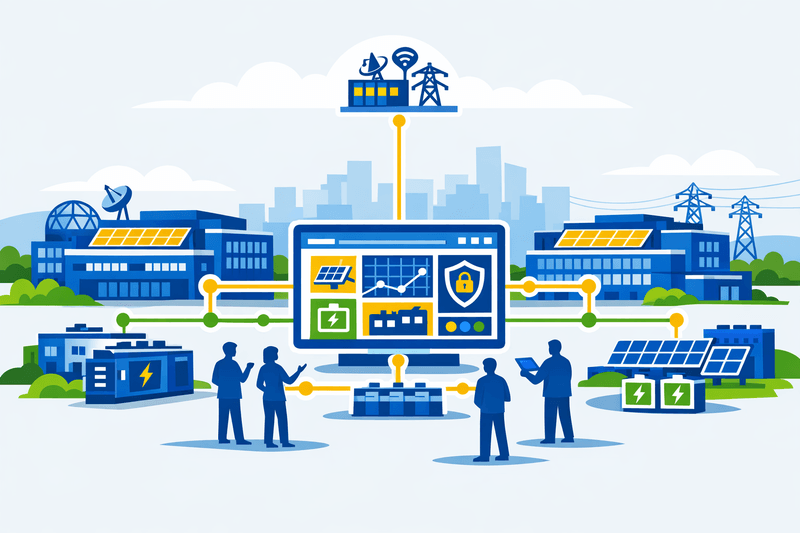
DOE's FEMP expands EMS-driven DER coordination across federal campuses, targeting real-time integration of solar, storage, demand response, and microgrids.

US utility DER pilots use real-time EMS to coordinate solar, storage, and demand response. Latest programs reveal key architecture, standards, and resilience insights.

GSA's CUP-O program optimizes central utility plants across federal campuses to cut energy use, reduce emissions, and improve chiller and boiler efficiency at scale.

EU Cyber Resilience Act deadlines explained for building IoT vendors: Sept 2026 reporting mandate, Dec 2027 full enforcement, and impacts on BAS procurement.
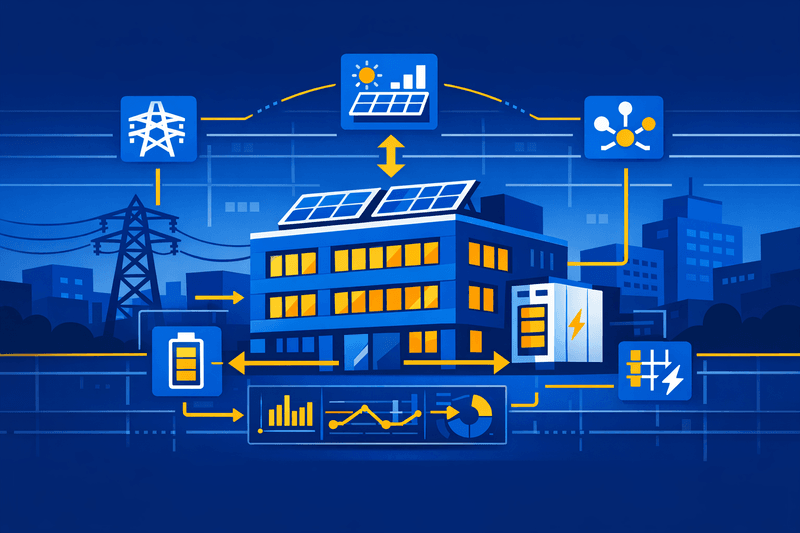
Next-gen EMS platforms are transforming commercial buildings into active grid assets, enabling DER aggregation, demand response, and real-time utility coordination.

Electrical contractors pivot to Monitoring-as-a-Service, bundling FDD and predictive maintenance into subscription contracts as BMS and retrofit markets accelerate.

Next-gen EMS platforms advance real-time DER grid coordination through edge-cloud architectures, IEEE 2030.5 interoperability, and stricter NERC CIP cybersecurity requirements.
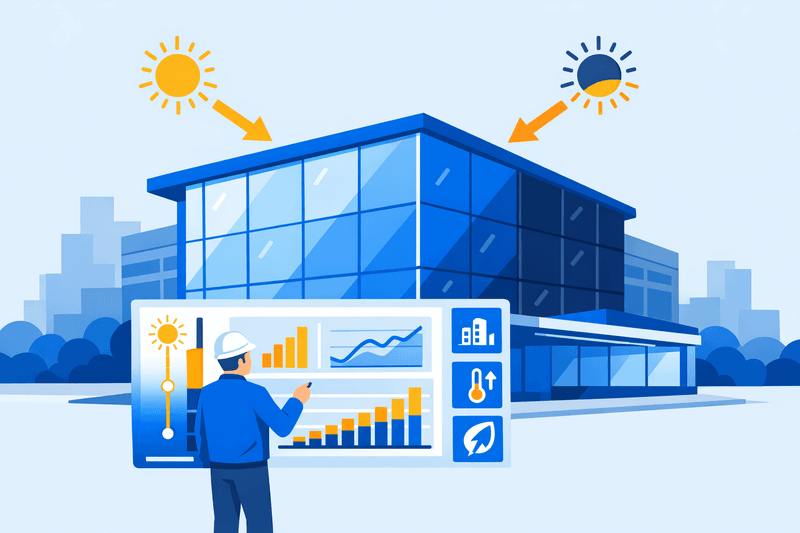
Smart glass demand shifts from premium niche to code-driven standard. Market data, BMS integration trends, retrofit challenges, and supply chain pressures examined.
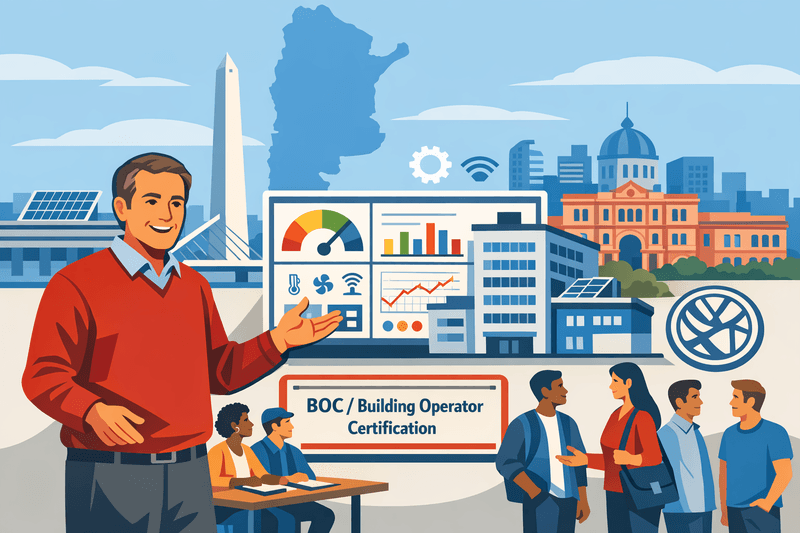
Northeastern professor Michael Kane brings his DOE-funded 14-hour building operators training program to Buenos Aires via a Fulbright scholarship to address global technician shortages.
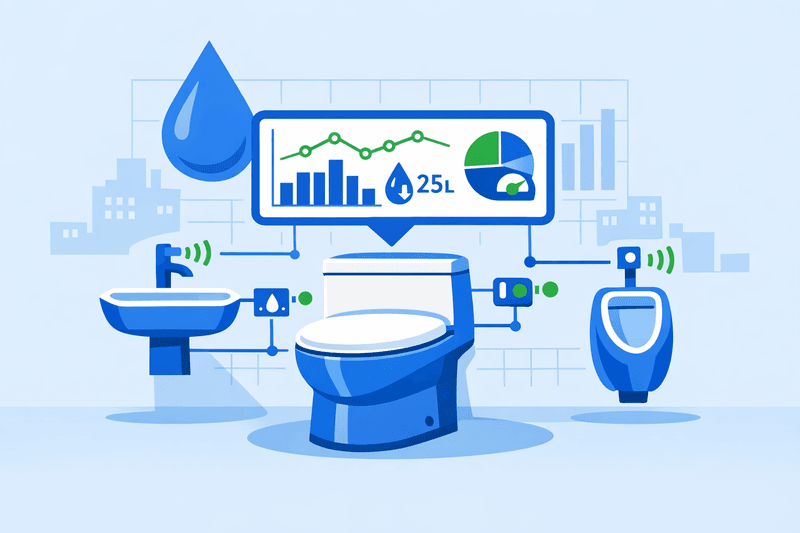
IoT water sensors and smart toilet analytics give facility managers real-time restroom consumption data - cutting waste, supporting LEED certification, and delivering measurable ROI.
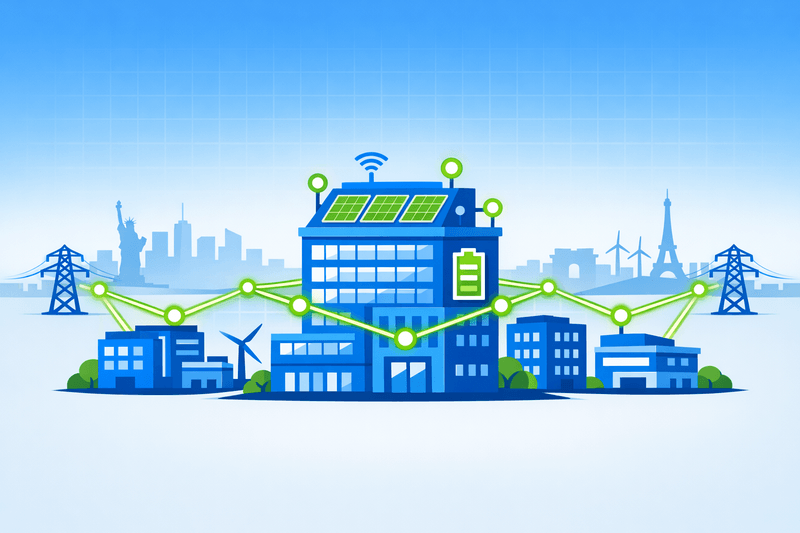
Grid-interactive buildings gain momentum in the US and EU as interoperability standards, open APIs, and the EU Cyber Resilience Act reshape procurement and BMS integration.

Hybrid AI models combining physics-based simulation with machine learning are advancing building energy forecasting, demand response, and EMS governance.

GSA's 2024 P100 mandates grid-interactive efficient buildings across federal facilities. Here's what the standards, cybersecurity rules, and procurement shifts mean for commercial markets.
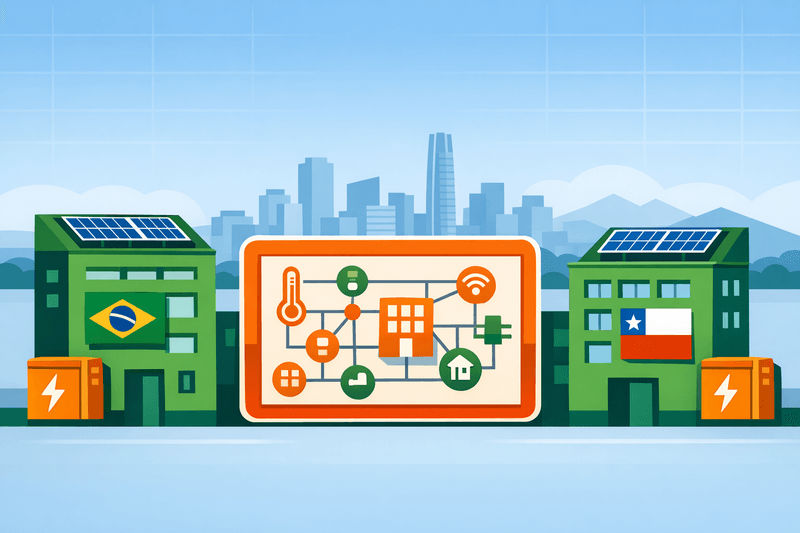
Brazil and Chile are driving South America's smart building surge through new storage laws, BESS auctions, and grid-interactive building mandates backed by green policy frameworks.
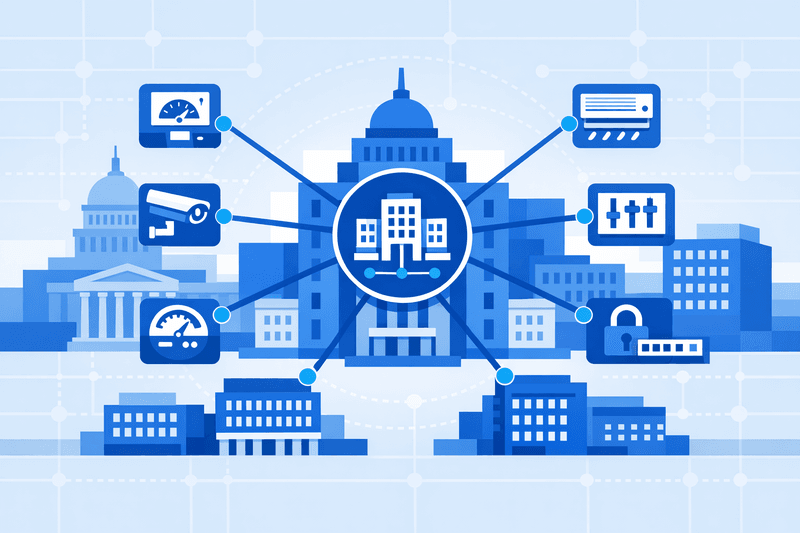
GSA mandates enterprise BAS interoperability via open BACnet protocols and new OT cybersecurity rules, following Oklahoma City pilot findings, affecting federal contractors nationwide.
GSA standardizes BAS on Niagara Framework after Oklahoma City pilot, linking building automation interoperability to federal OT cybersecurity mandates.
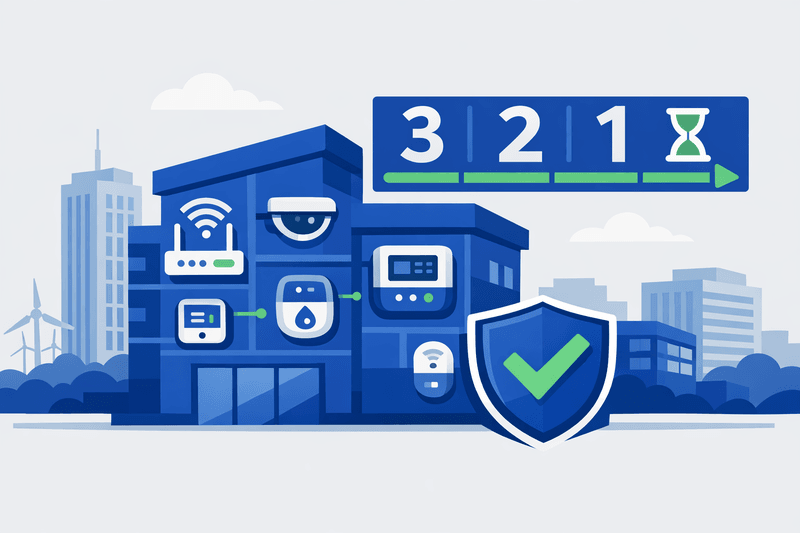
The EU Cyber Resilience Act sets a binding September 2026 reporting deadline for building IoT vendors, with full compliance required by December 2027.

The EU Cyber Resilience Act sets hard deadlines for building IoT vendors in 2026 and 2027. Here's what procurement teams and facility managers need to know.

Brazil, Chile, and Colombia lead South America's smart building push through green policy mandates, EMS investment, and BAS adoption - with interoperability and cybersecurity as key barriers.
GSA's OKC Federal Building GEB retrofit delivers 41% energy savings and a replicable blueprint for smart building procurement and OT cybersecurity.
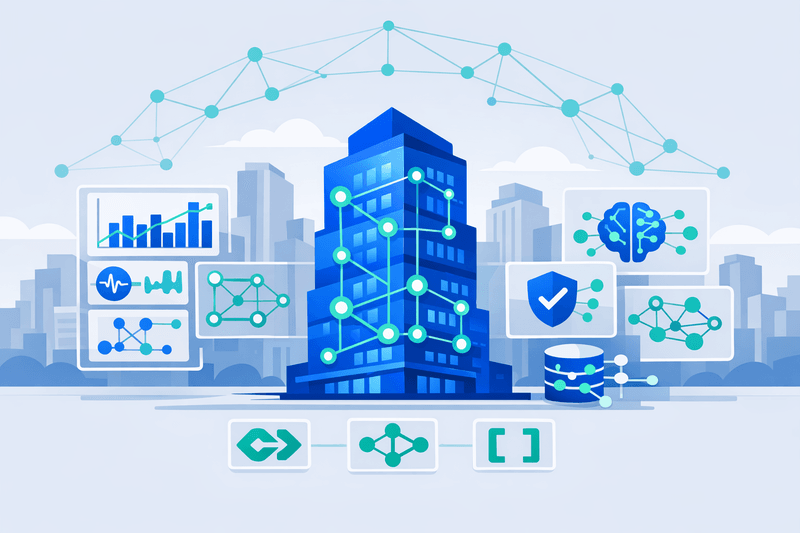
AI analytics, data governance, and open interoperability standards are defining intelligent building operations. A practical roadmap for owners and operators.

Arcadia closed its ENGIE Impact acquisition on April 29, 2026, forming an enterprise energy platform managing $100B in utility spend and 4.5M meters globally.

The EU Cyber Resilience Act's hard deadlines - September 2026 and December 2027 - are reshaping how building IoT vendors develop, certify, and support connected products.

EU Cyber Resilience Act enforcement deadlines are tightening for building IoT vendors. Key dates, SBOM requirements, CAB certification, and supply chain impacts explained.

GSA and FEMP are codifying a scalable GIEB procurement framework, mandating BAS interoperability and OT cybersecurity standards across the federal building portfolio.

Brazil's BNDES Climate Fund and Chile's Energy Efficiency Law are accelerating BAS and IoT adoption across South America, with interoperability and cybersecurity standards now in focus.

FEMP advances AI-powered energy optimization and cross-vendor BAS interoperability across federal facilities, building on Smart Buildings Accelerator findings.
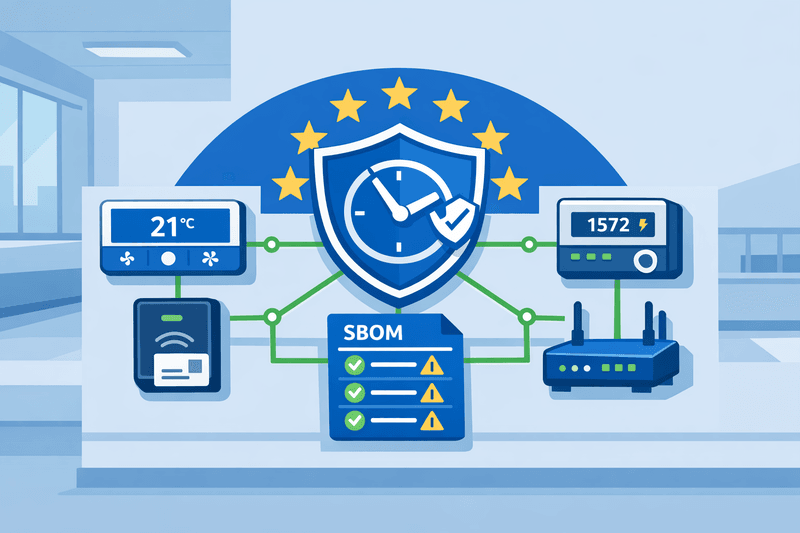
The EU Cyber Resilience Act's 24-hour vulnerability reporting deadline hits building IoT vendors in September 2026, over a year before full enforcement.

GSA's Oklahoma City smart building pilot delivers a scalable BAS interoperability and OT cybersecurity blueprint now shaping federal procurement standards.

GSA's Oklahoma City GEB pilot sets federal standards for smart building interoperability, open-protocol procurement, and OT cybersecurity across agency campuses.
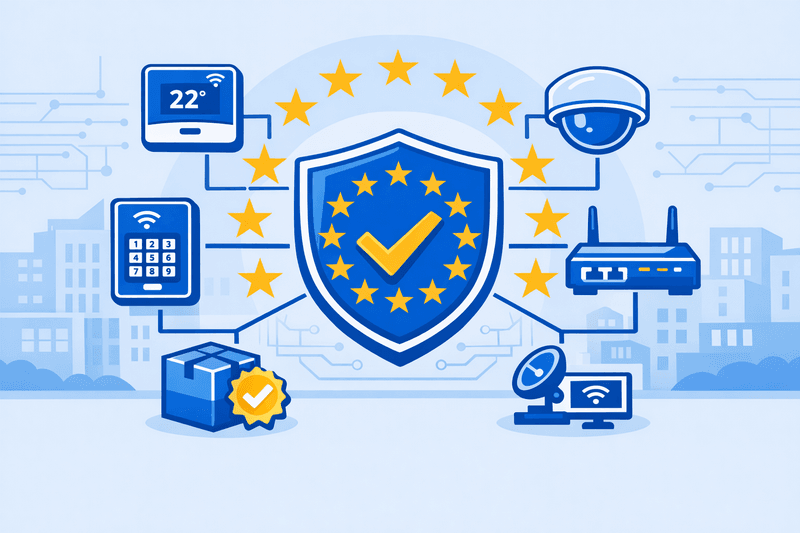
EU Cyber Resilience Act sets hard IoT compliance deadlines: RED obligations active August 2025, CRA vulnerability reporting mandatory September 2026, full compliance December 2027.

The Middle East building automation market is projected to grow from $6.84B in 2025 to $16.3B by 2034. Explore the key drivers, policy mandates, and procurement trends.

Johnson Controls releases its second AI Factory Reference Design Guide, targeting air-cooled chiller plants for gigawatt-scale data centers with a 32% energy improvement.
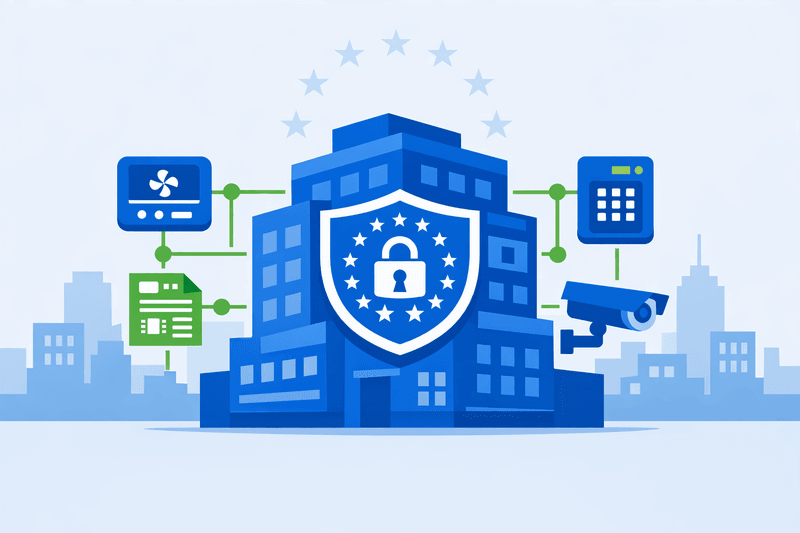
The EU Cyber Resilience Act sets binding deadlines for building IoT vendors: vulnerability reporting from September 2026, full compliance by December 2027.
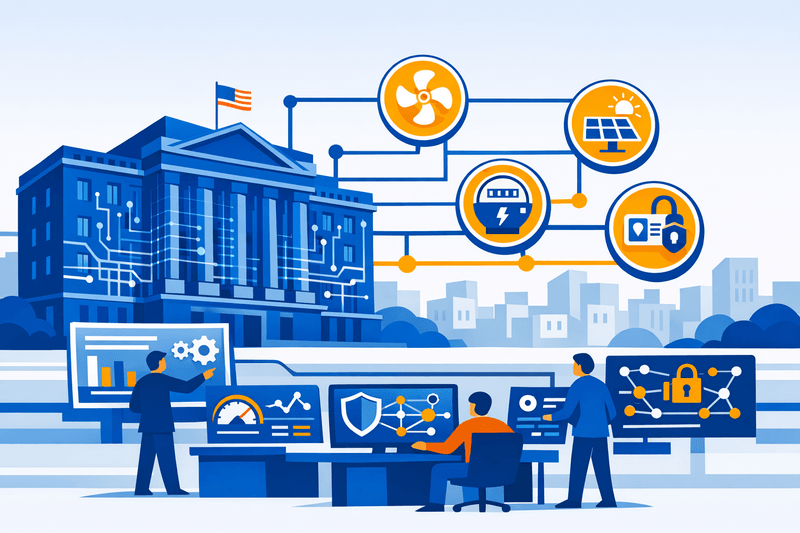
GSA's Oklahoma City Federal Building pilot sets the federal baseline for BAS interoperability and OT cybersecurity standards, reshaping procurement for contractors.

Arcadia's acquisition of ENGIE Impact reshapes enterprise energy management. Key implications for data ownership, interoperability, and smart-building TCO.

GSA's Oklahoma City GEB pilot projects 41% energy savings and $13.5M in contract value, setting a replicable procurement blueprint for federal smart buildings.
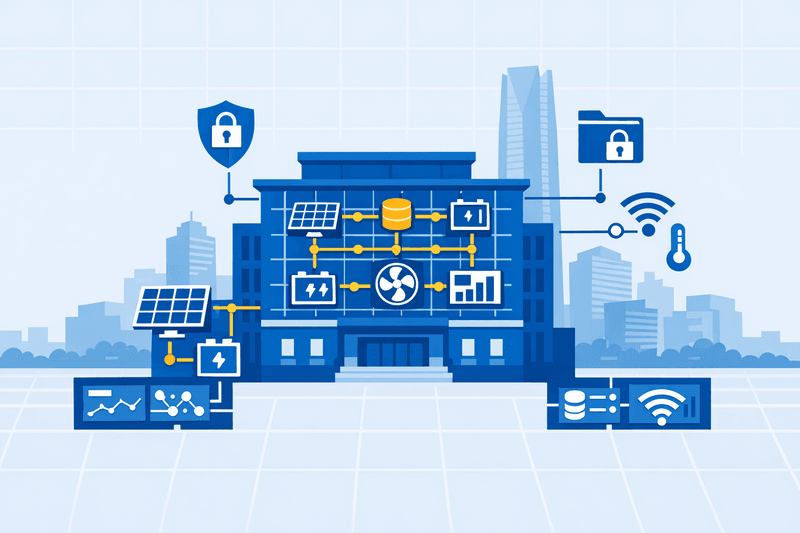
GSA's Oklahoma City GEB retrofit yields procurement, OT/IoT cybersecurity, and data governance lessons applicable to large-scale private-sector smart-building rollouts.
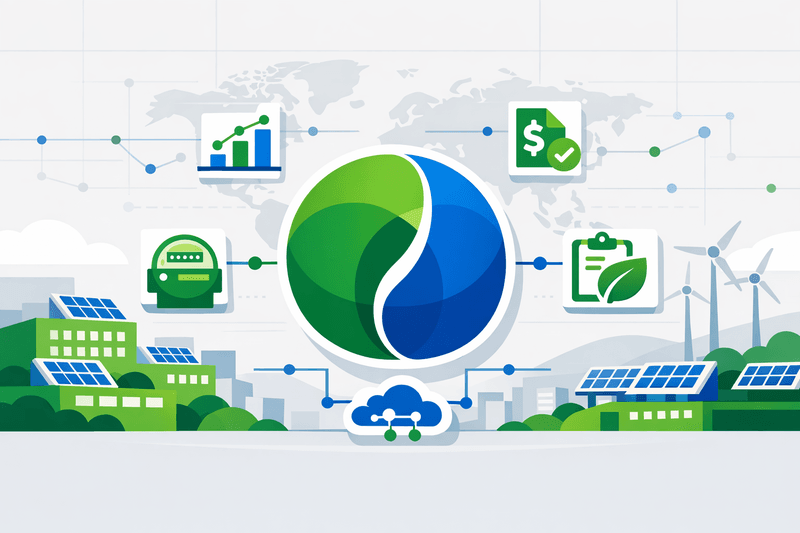
Arcadia acquires ENGIE Impact to form a unified energy management platform serving 1,500+ enterprises. Analysis of deal implications for interoperability, decarbonization, and procurement.

Arcadia acquires ENGIE Impact to build an enterprise energy platform managing $100B in utility spend and 4.5M meters across 1,500+ corporate customers.
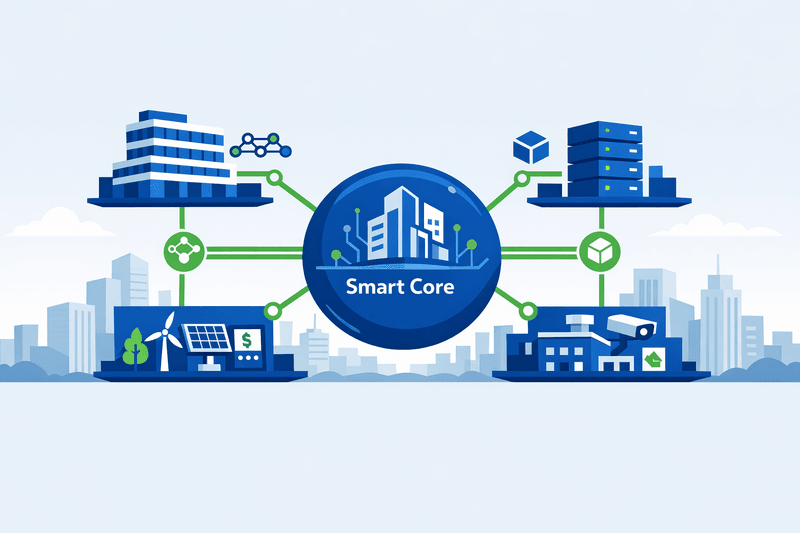
Built Cybernetics raises fresh capital to scale its Smart Core platform. What the smart building investment surge means for interoperability, ROI, and procurement strategy.

FEMP expands the Federal Smart Buildings Accelerator to deploy AI energy optimization across agencies with new interoperability, cybersecurity, and procurement frameworks.

New IoT security mandates - EU CRA, RED EN 18031, SBOM requirements, and the US Cyber Trust Mark - are reshaping how building automation systems are designed, specified, and procured.

The EU Cyber Resilience Act's first compliance deadlines hit in 2026, mandating IoT security reporting and conformity assessment for building automation vendors.
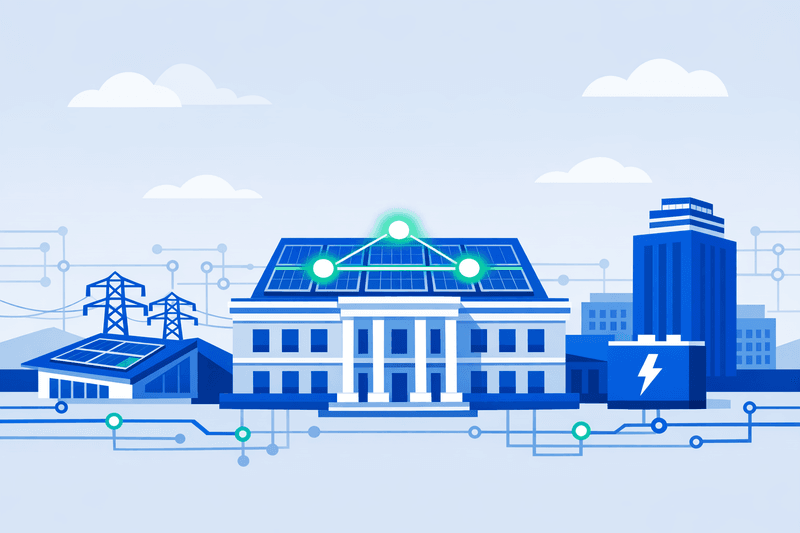
FEMP's Federal Smart Buildings Accelerator findings reshape federal BAS procurement, interoperability mandates, OT cybersecurity rules, and GEB retrofit strategy.
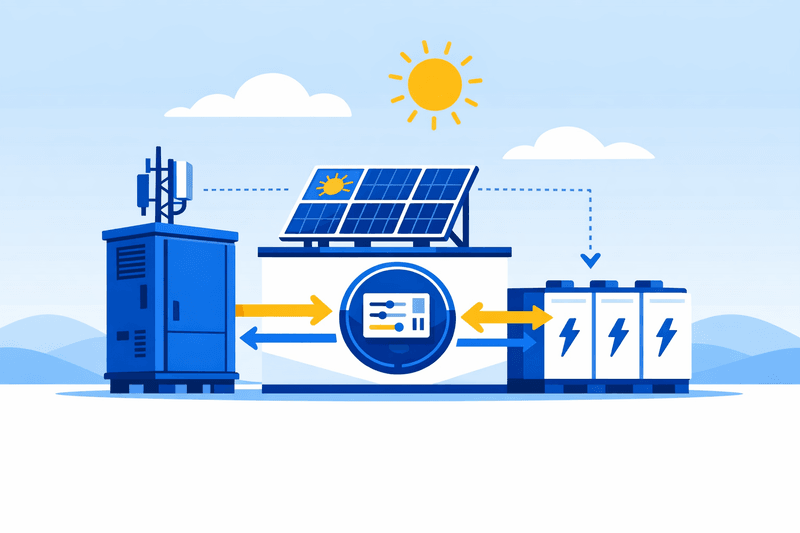
Ericsson and Swisscom deploy an integrated site energy management platform across Switzerland's RAN, enabling peak shaving, load shifting, and AI-driven grid resilience.

GSA's Oklahoma City GEB pilot is driving federal smart building standards, open BACnet requirements, and OT cybersecurity frameworks across 300,000 government facilities.
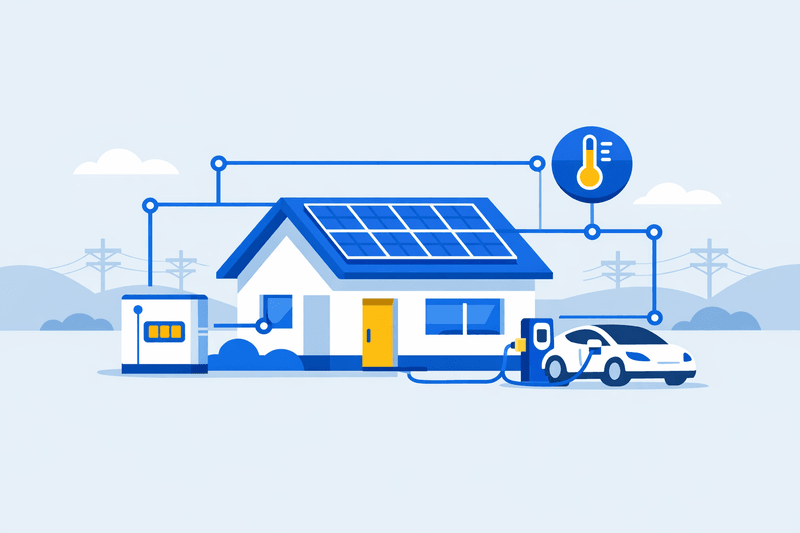
Residential solar is evolving into integrated HEMS platforms combining battery storage, EV charging, and VPP participation. Key standards, incentives, and grid implications examined.

GSA's Oklahoma City Federal Building GEB pilot is shaping smart building procurement standards, interoperability frameworks, and lifecycle cost models across the U.S. public sector.
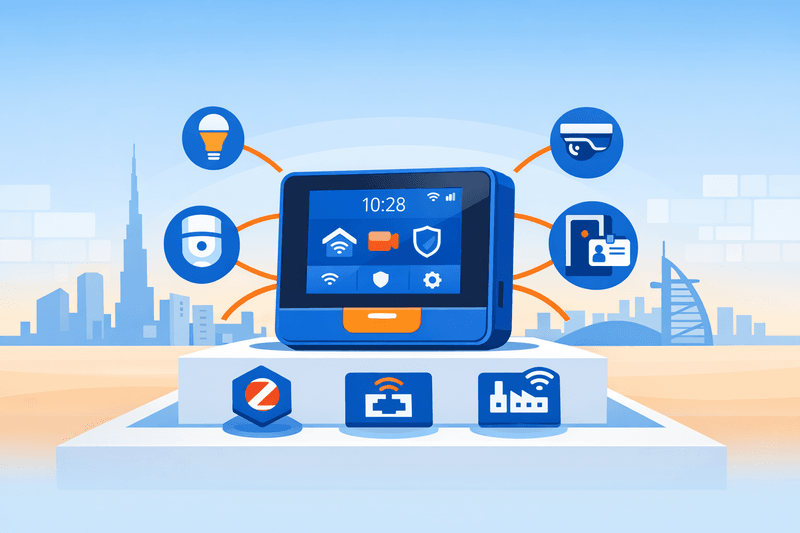
Leelen showcased its CE, RoHS, and FCC-certified 4-inch Smart Control Panel at Intersec Dubai 2026, targeting global building automation markets amid tightening interoperability standards.

GSA's Oklahoma City Federal Building GEB retrofit sets a federal benchmark for integrated building systems, OT cybersecurity governance, and procurement reform.

The EU Cyber Resilience Act mandates IoT security certification for commercial building systems by December 2027. Here's what manufacturers and operators must do now.

How the Federal Smart Buildings Accelerator's pilot findings are reshaping procurement, OT cybersecurity governance, and interoperability requirements for federal agencies.

The Federal Smart Buildings Accelerator is reshaping AI energy optimization procurement. Open standards, OT cybersecurity mandates, and 1-3 year performance windows carry major implications for vendors.
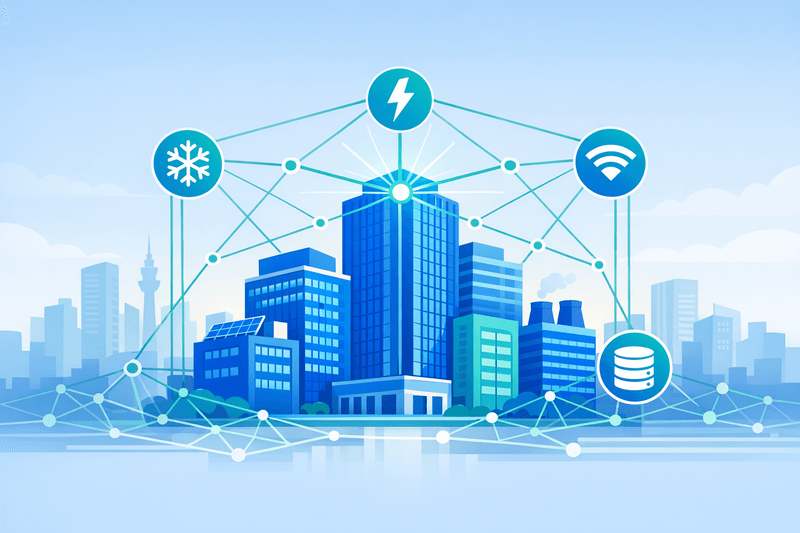
Rising energy costs and year-round cooling demands are driving Southeast Asia's BMS market into a decisive growth phase.
AI-powered building energy management draws major investment, but data governance gaps, legacy system barriers, and cybersecurity risks threaten portfolio-scale adoption.
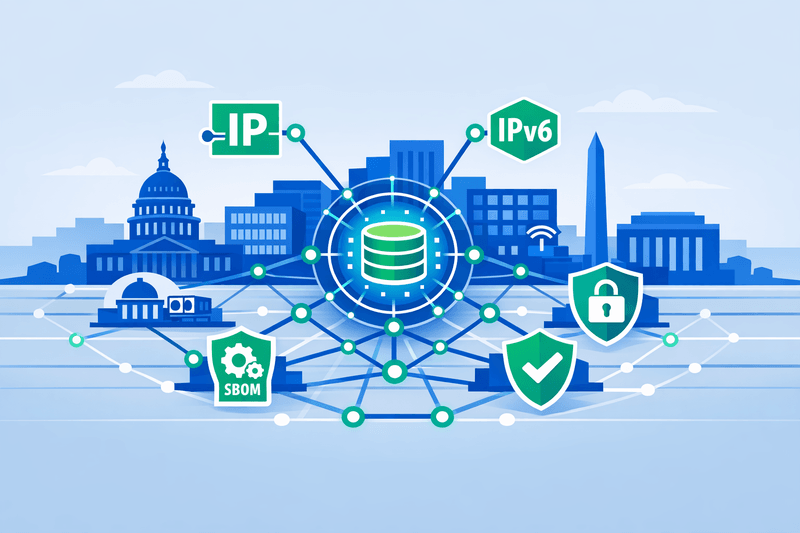
How the Federal Smart Buildings Accelerator is reshaping procurement, open-standards interoperability, and OT cybersecurity across U.S. federal agencies and private-sector vendors.
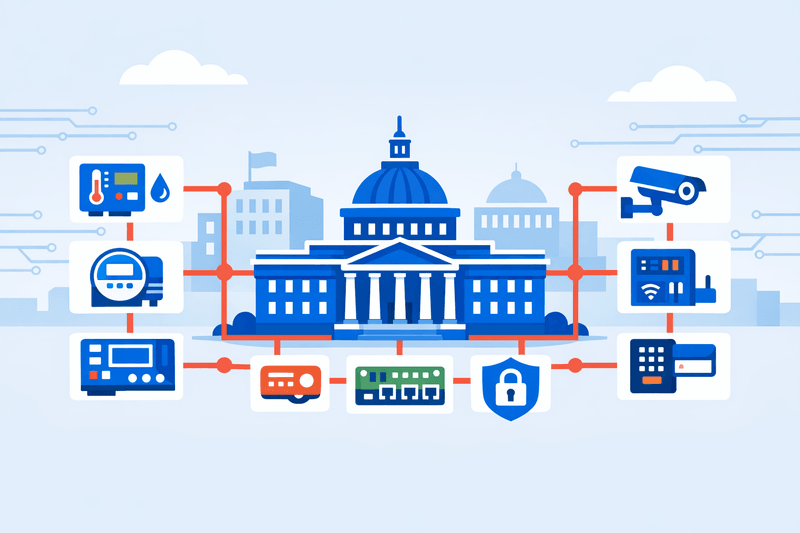
The FSBA's conclusion and GSA's $80M smart building push reshape federal procurement, open standards adoption, and OT cybersecurity obligations for BAS vendors.
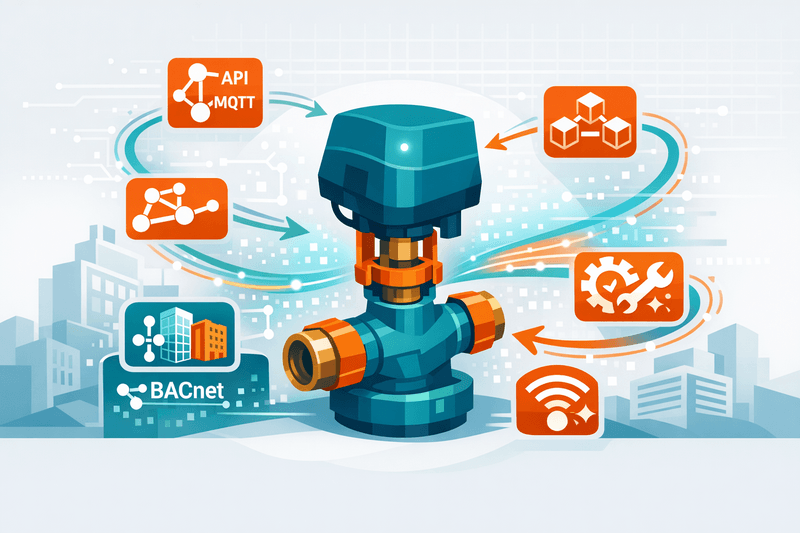
Energy codes and smart building mandates are driving HVAC valve manufacturers toward intelligent PICVs, open BMS protocols, and digital twin commissioning ahead of 2035 targets.

New AI governance rules across North America and Asia are reshaping smart building OT cybersecurity compliance. What operators must know and do now.

Anthropic's Claude Mythos Preview reshapes OT cybersecurity for smart buildings with autonomous zero-day discovery, supply chain risk, and new AI governance demands.

EU regulators advance mandatory IoT security certification for commercial building automation, aligning with the Cyber Resilience Act and energy efficiency targets.
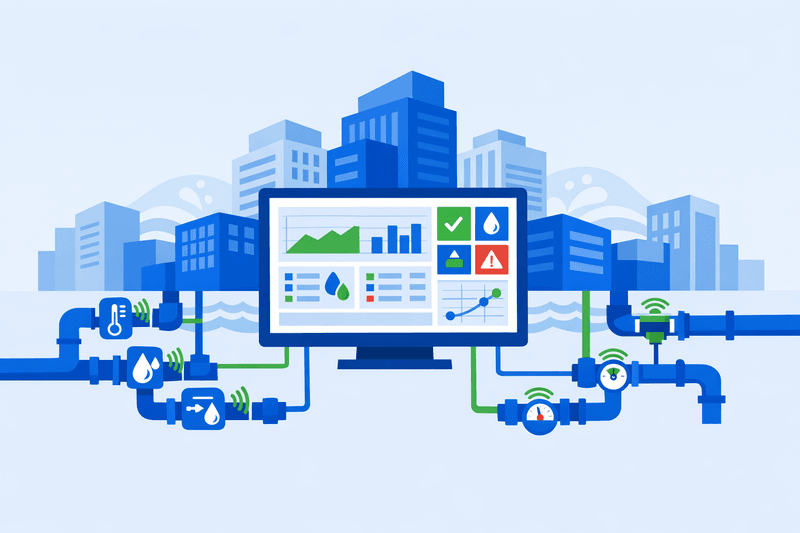
IoT sensors, AI anomaly detection, and centralized dashboards are reshaping water hygiene governance in smart buildings as Legionella regulations tighten.
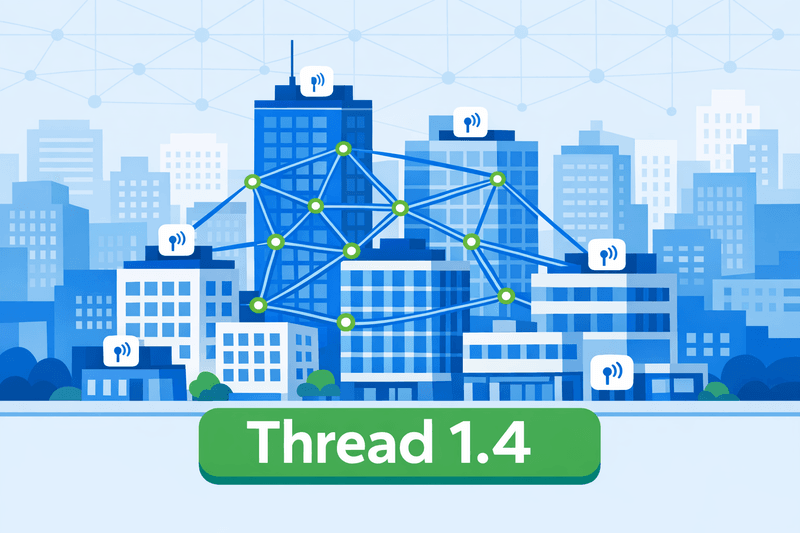
Thread 1.4 becomes the sole certified Border Router standard as of January 2026, driving city-scale smart building deployments toward open, vendor-agnostic mesh networking.
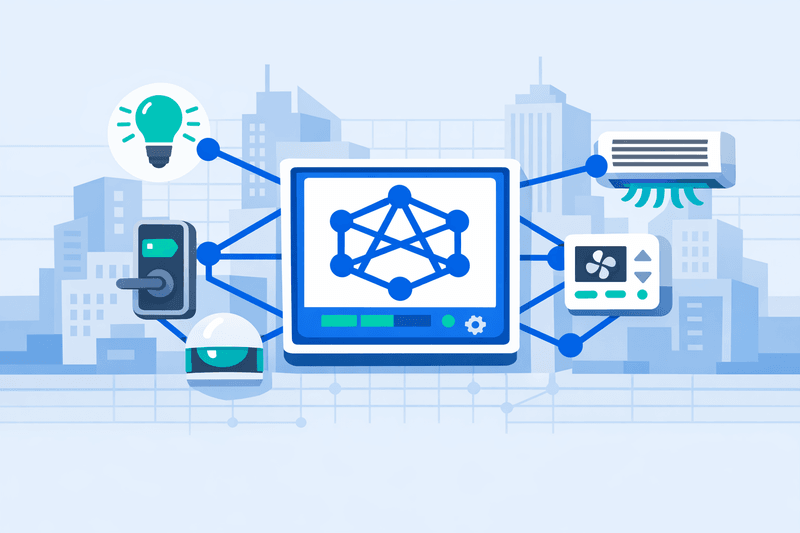
Thread 1.4 became the sole certified standard on January 1, 2026, driving city-led smart building programs toward open mesh networking across HVAC, lighting, and security.

Nine international agencies issue AI-OT governance guidance requiring zero-trust controls, human oversight, and auditable AI in smart building systems.
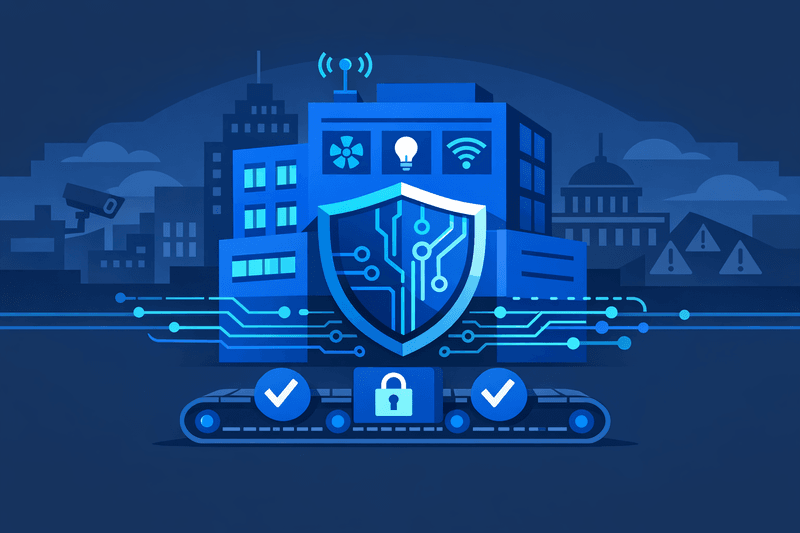
US and EU regulators advance AI governance frameworks for OT environments after Anthropic's Mythos model demonstrates autonomous multi-stage cyberattack capabilities.
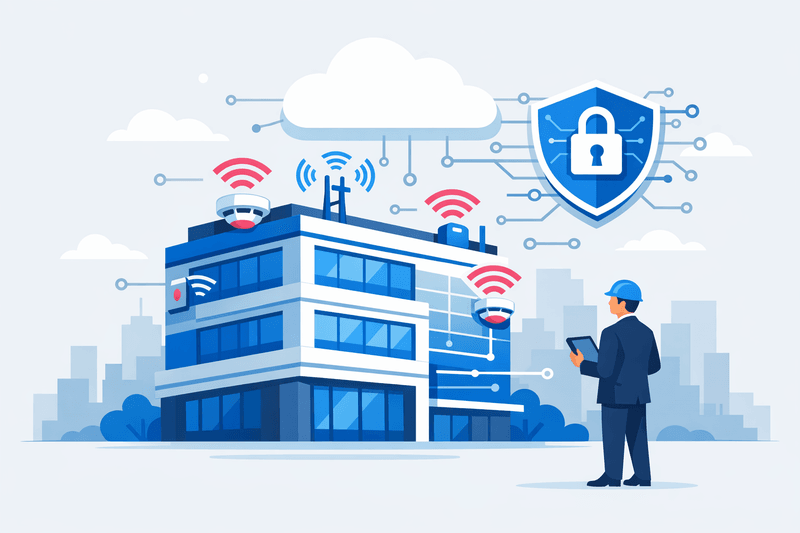
NFPA 72-2025 and EN 54-25 tighten wireless fire detection rules for commercial buildings, adding cybersecurity, interoperability, and retrofit compliance requirements.
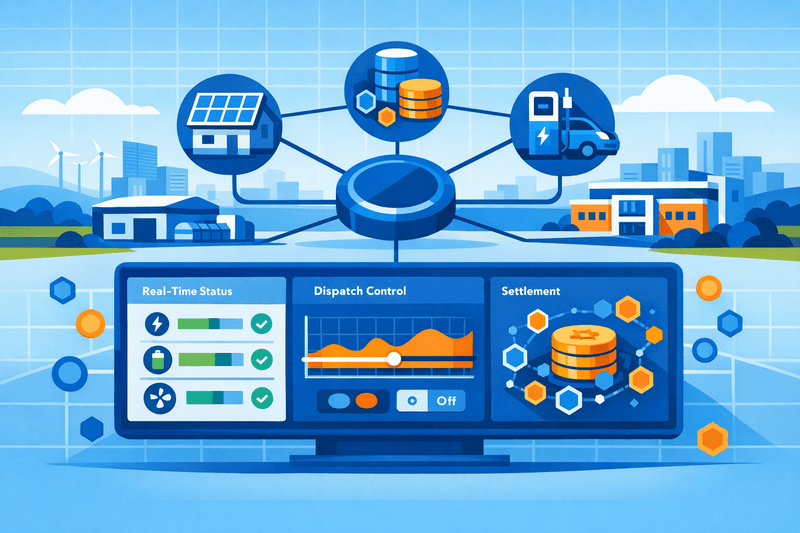
Grid Rails launches its enterprise VPP platform, offering real-time DER control, automated dispatch, and Web3-based energy settlement for commercial portfolios.

Anthropic's Claude Mythos Preview autonomous exploit-chaining capabilities raise urgent cybersecurity questions for building automation, OT firmware, and smart building operators.
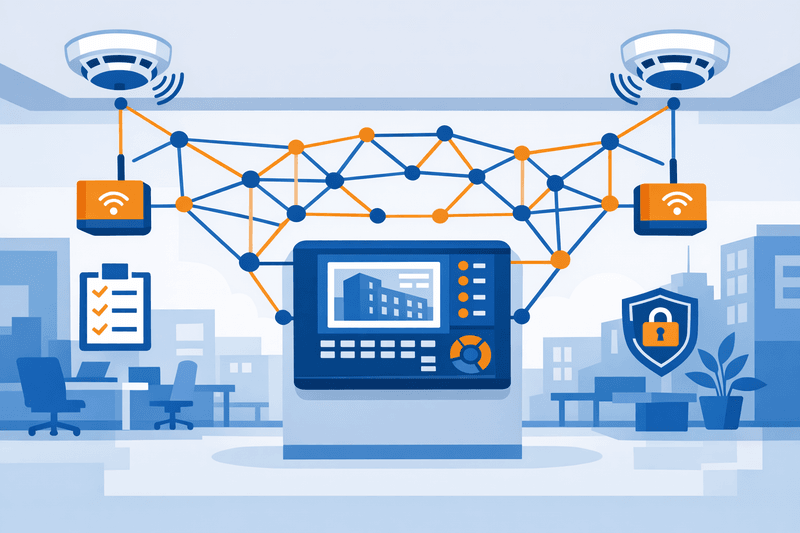
NFPA 72 2025 and BS 5839-1:2025 reshape wireless fire detection compliance in commercial buildings, driving IoT integration and new cybersecurity mandates.

Anthropic's Claude Mythos Preview, capable of chaining zero-day exploits autonomously, raises urgent cybersecurity concerns for BMS, OT networks, and smart building operators.

Australia's EMS market targets 19% CAGR through 2030, fueled by building codes, price volatility, and new interoperability and cybersecurity regulations.

Taiwan's 2026 smart building push - spanning AI city infrastructure, EMS subsidies, and cross-border supply chain deals - is reshaping global building automation and interoperability.

Buildings shift from analytics to real-time autonomous HVAC and energy control, delivering major efficiency gains but raising cybersecurity and standards risks.

Digital twins, BACnet Secure Connect, and EU cybersecurity rules are reshaping building automation procurement and operations across commercial real estate.
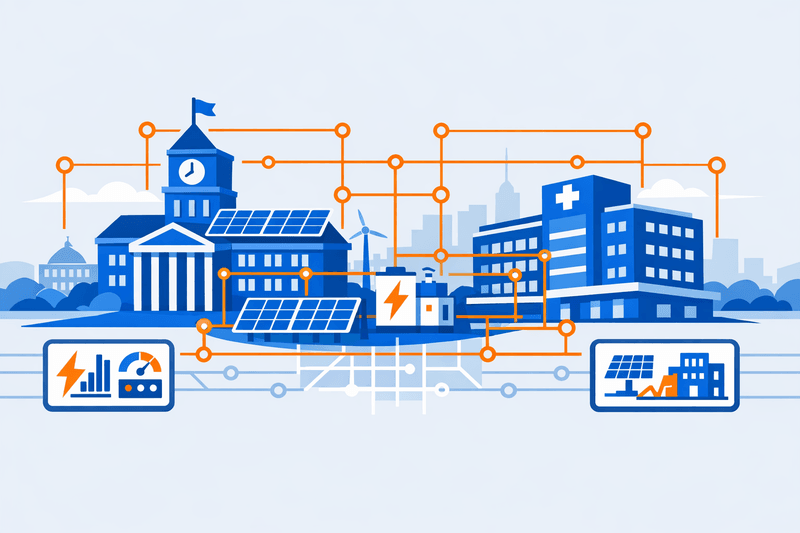
DOE expands Grid-Interactive Efficient Buildings pilot to university campuses and hospital networks, testing demand flexibility and DER integration.

Unified edge gateways are reshaping commercial building IoT by bridging OT and IT systems, cutting costs, and raising new cybersecurity demands.
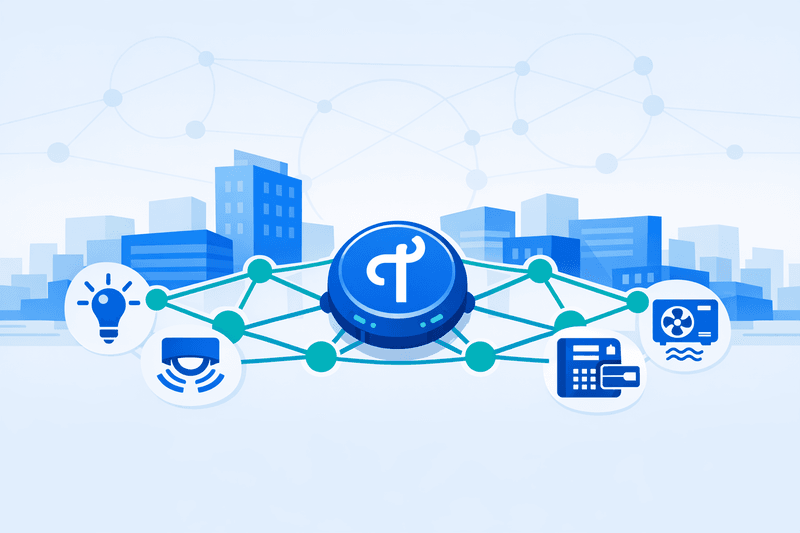
Thread certification surpasses 1,100 products and 240 members, strengthening interoperability for city and campus smart building systems.
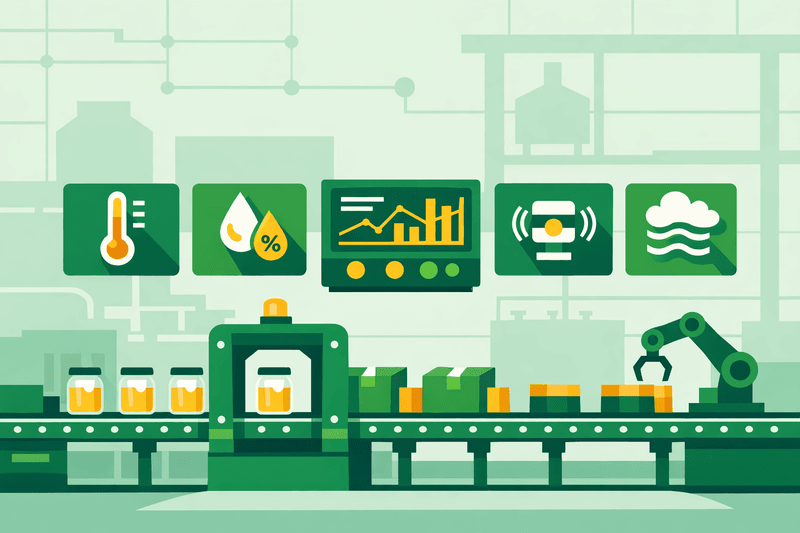
Food manufacturers adopt building automation sensors and predictive maintenance to cut recalls, reduce downtime, and meet tightening FDA requirements.
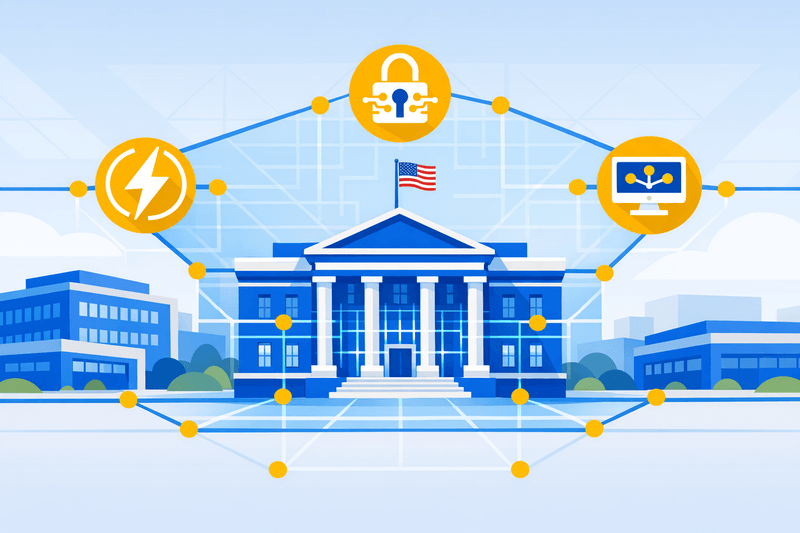
U.S. agencies expanded Grid-Interactive Buildings in 2026, enhancing demand-response and integration of EMS/BAS systems across more facilities.
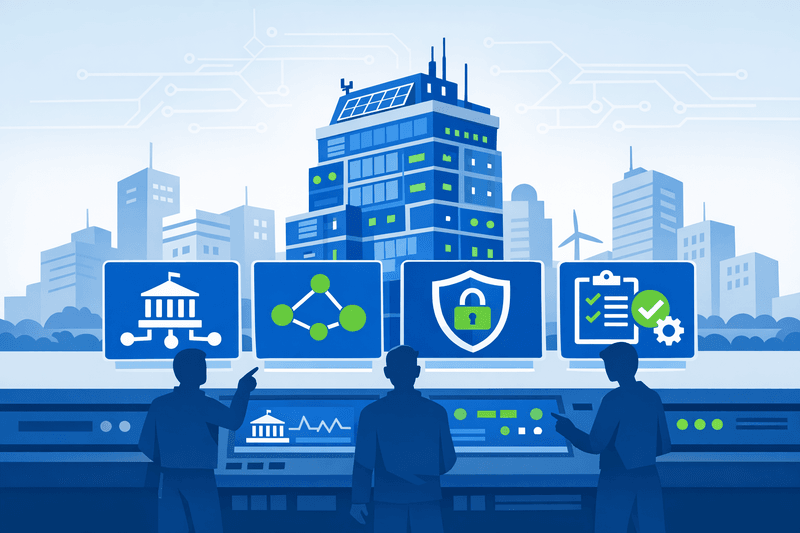
Operators of AI-enabled smart buildings confront interoperability, procurement, and security challenges amid evolving EU AI and cybersecurity regulations.

PDLC smart film adoption in commercial retrofits is rising due to tighter energy codes and dynamic glazing mandates, with market growth projected through 2032.

Analysis of AI governance in smart buildings: ROI, edge vs cloud models, regulatory context, and shifting operator responsibilities.
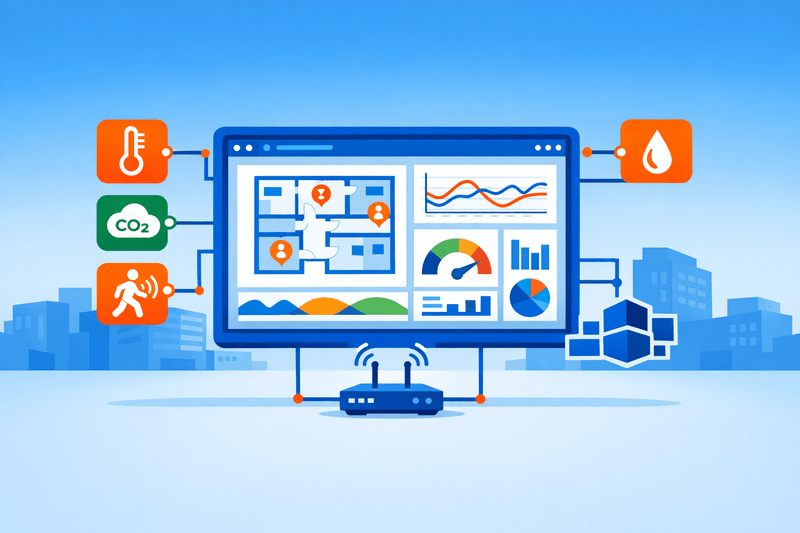
How MultiTech's Niagara Driver streamlines LoRaWAN IoT sensor integration with Niagara-based BAS to enhance interoperability and operational efficiency.
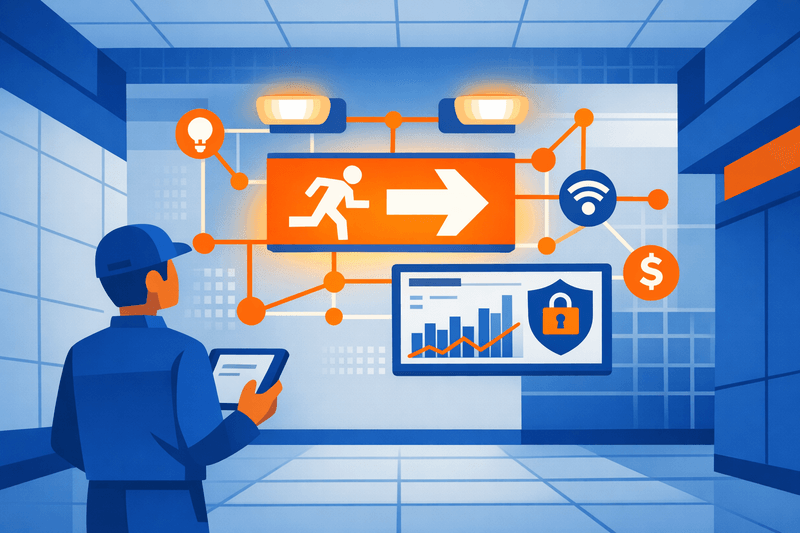
IoT emergency lighting retrofits impact compliance, cybersecurity responsibilities, BMS/EMS integration, and lifecycle budgeting in commercial buildings.
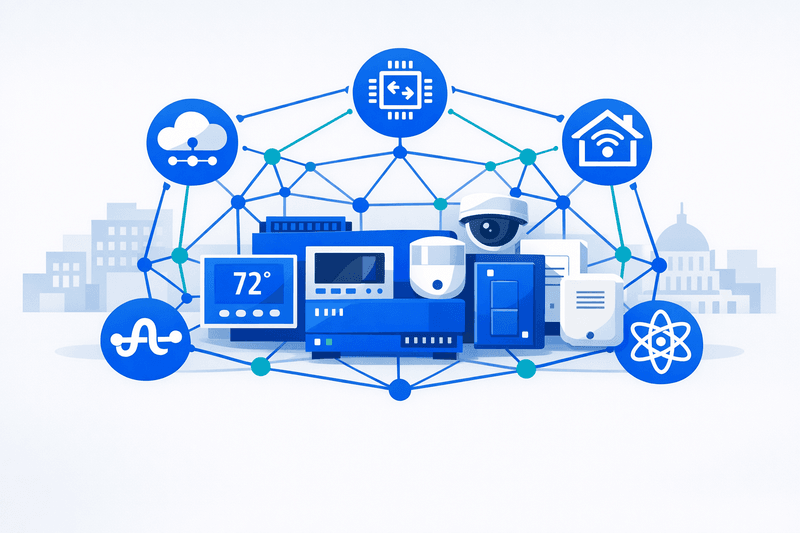
How public-sector rules, open standards, and certification programs like BTL, AMEV, Thread and Matter are reshaping smart building connectivity and procurement.

US federal agencies expand EMIS use-integrating data, strengthening cybersecurity, and updating procurement-to drive energy savings and regulatory compliance.
Schneider Electric joins Thread Group board to drive open, interoperable smart-building connectivity via Thread protocol amid its expansion into commercial IoT.
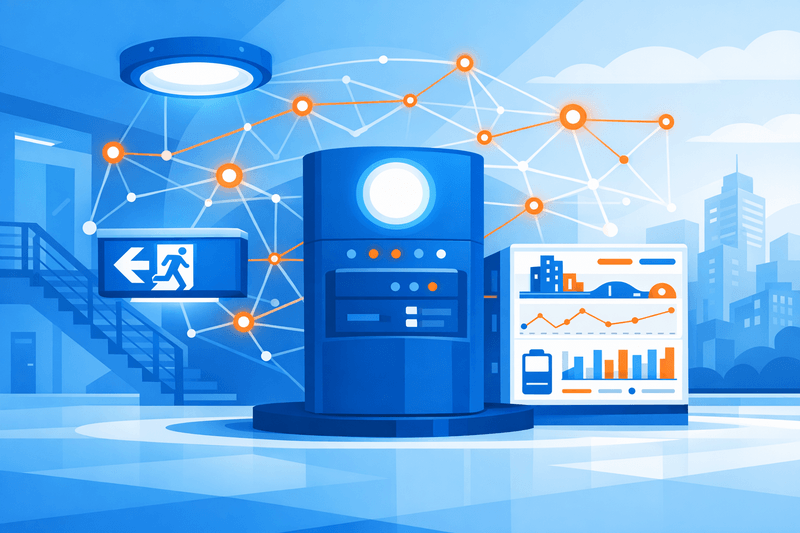
Smart emergency lighting is evolving into a connected safety asset integrated into BMS/EMS, offering real-time monitoring, energy savings, and automated fault reporting.
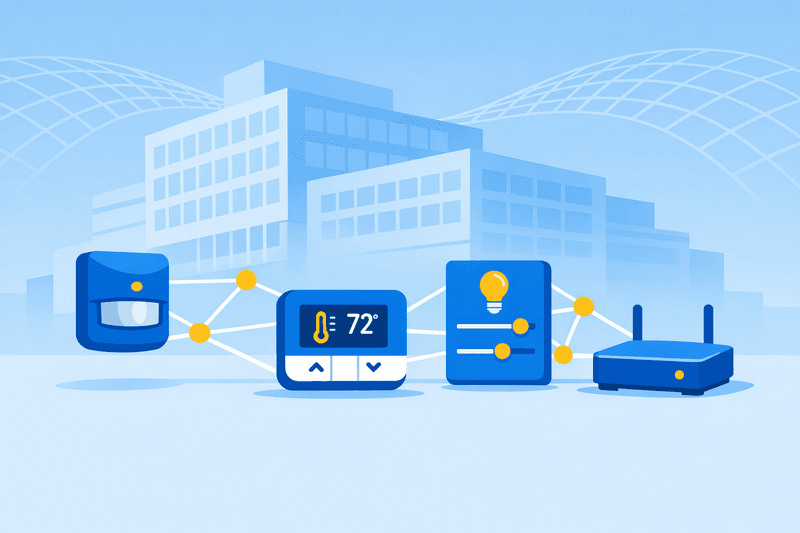
Thread Group passes 1,000 certified products as Thread 1.4 enables multivendor mesh networking in commercial smart-building systems.
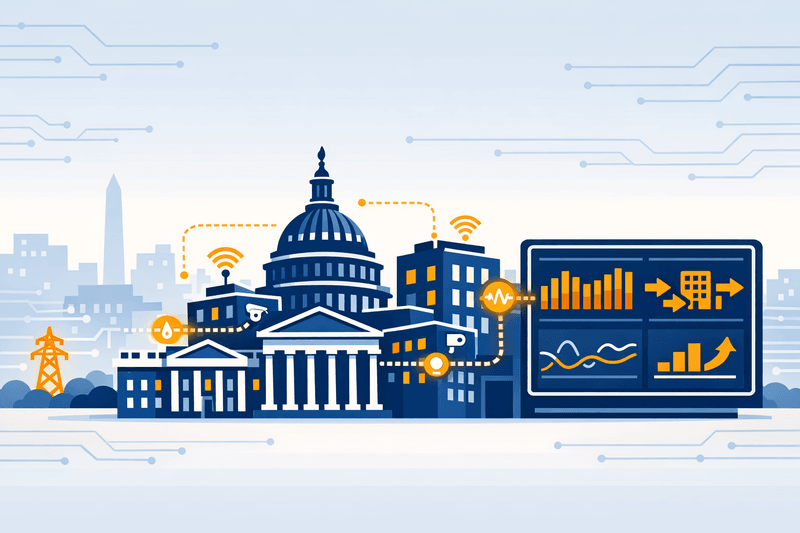
U.S. federal government expands its GEB pilot, promoting EMS, demand response, and cybersecurity standards across more agencies' facilities.
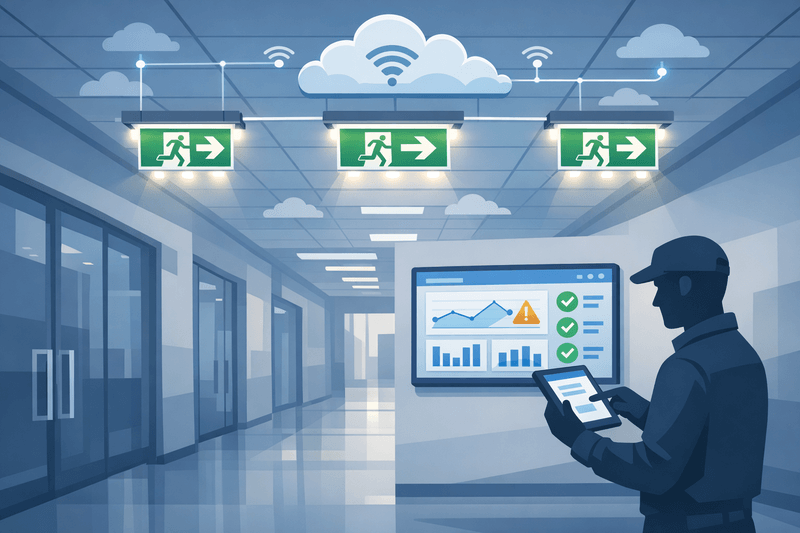
Emergency lighting evolves into integrated, cloud-connected systems with real-time monitoring, compliance automation, and predictive maintenance for smart buildings.
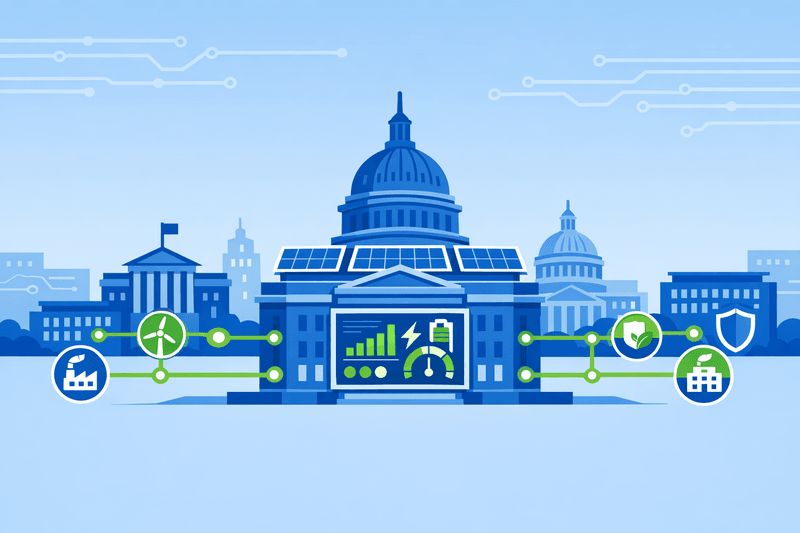
DOE's FEMP expanded its grid-interactive building pilot to more agencies, scaling EMS deployment with a focus on procurement, cybersecurity, and governance.

Schneider Electric joined the Thread Group board on March 31 to help advance the Thread wireless standard in smart building and IoT interoperability.

City pilot of an AI-driven EMS across 50 municipal buildings delivered up to 20% energy savings through DER integration, smart charging and demand-response.

Mexico will tighten façade energy-efficiency codes in early 2026, boosting demand for advanced glazing and adaptive façade systems.
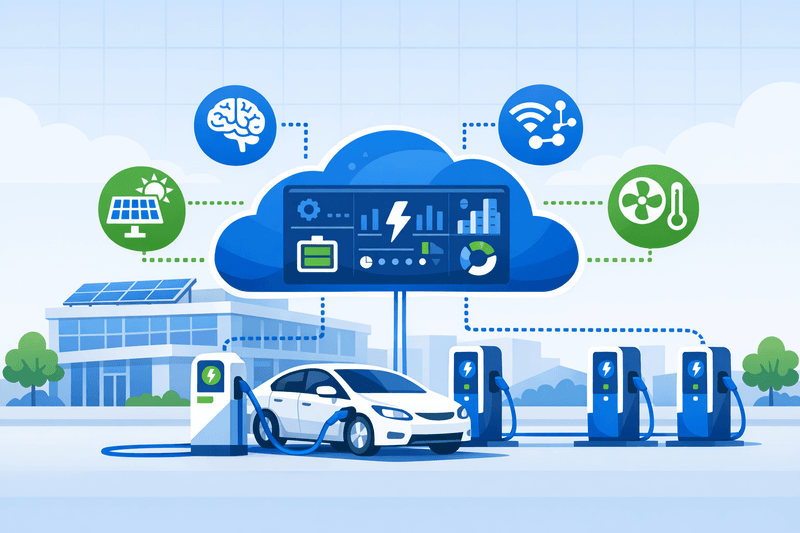
Commercial real estate is using IoT- and AI-enabled EMS to coordinate EV charging, DERs, and HVAC, reducing peak costs and accessing utility incentives.

Smart building uptake rises with incentives and targeted upgrades, but operators cite ROI, high integration costs, and retrofit complexity as key barriers.
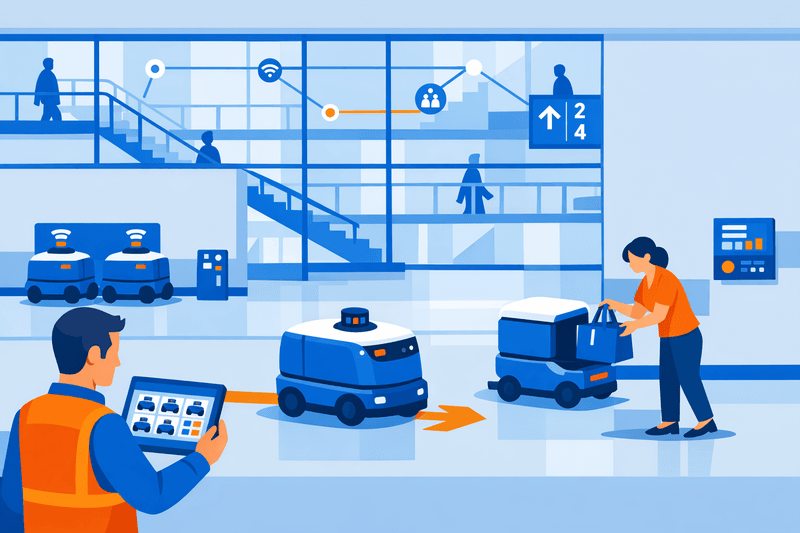
Autonomous delivery robots expand into office, retail, and mixed-use buildings in 2026, raising integration, safety, and interoperability needs for facilities teams.

AI forecasting systems in smart buildings deliver ROI in pilots, but scaling across portfolios faces data, integration, governance, and standardization hurdles.

Autonomous indoor delivery robots deployed in buildings are reshaping workflows, space use, and system integration amid BMS and regulatory challenges.
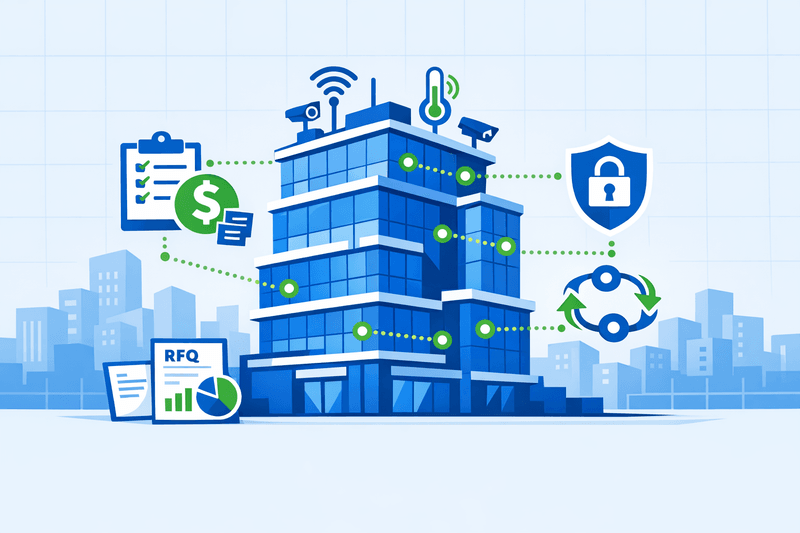
Smart-building adoption to rise from $64B to $101B by 2030, but integration, procurement, and interoperability obstacles temper sector momentum.
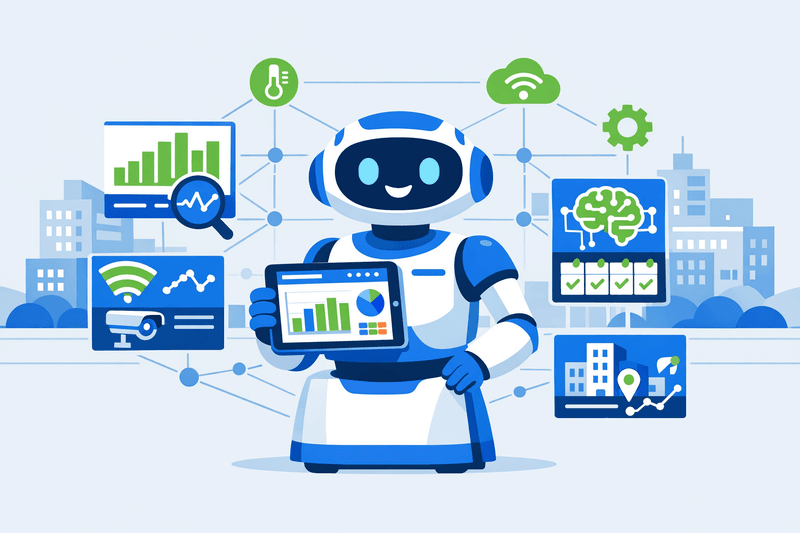
SoftBank Robotics America acquired Green Clean Commercial to launch SBX, merging robotics, IoT, and analytics in an AI facilities services platform.
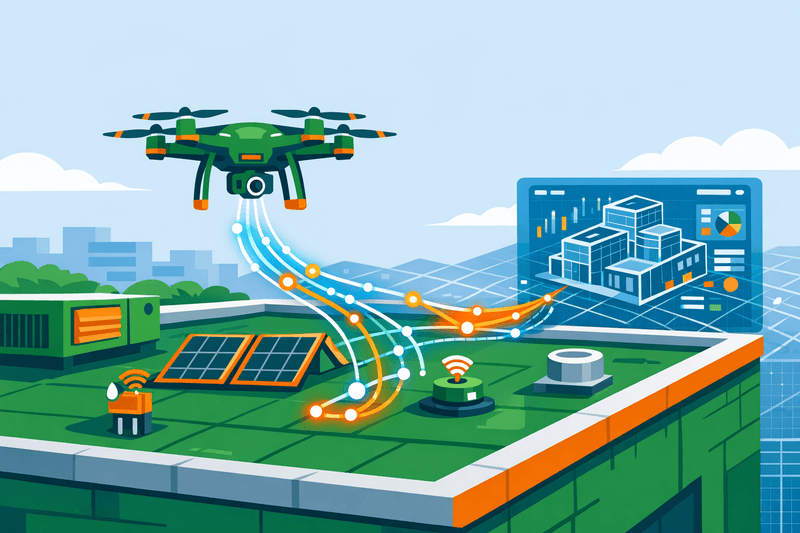
Overview of how IoT, drones, CMMS, and digital twins are advancing roof asset monitoring for commercial and critical facilities.
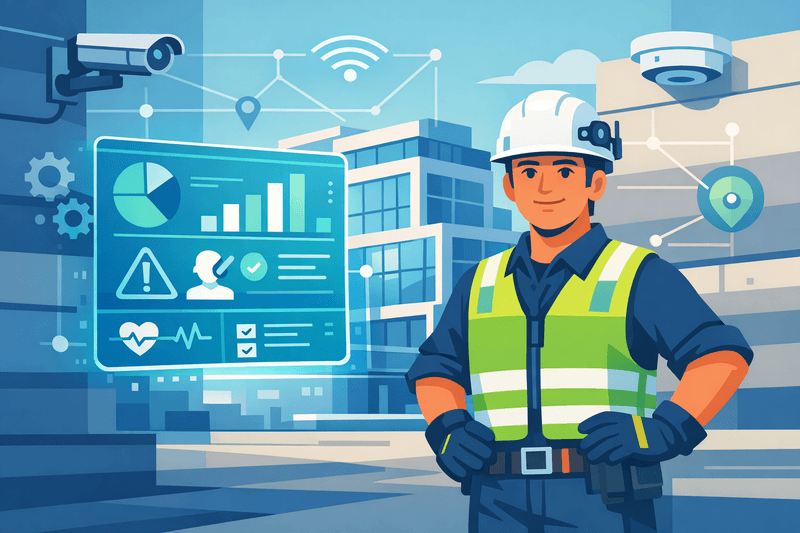
Safety-centric technologies in smart buildings-from wearables to AI analytics-cut workplace injuries and standardize safety metrics across industries.

Explores how a potential SoftBank Robotics America-Green Clean deal could impact interoperability, vendor lock-in, and procurement in AI-driven facilities management.
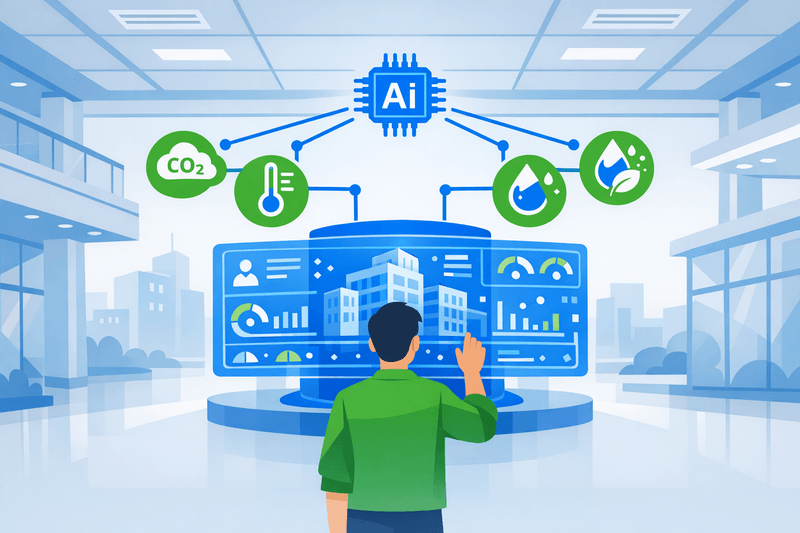
AI-integrated occupancy, environmental and predictive systems deliver safety, wellbeing and energy ROI in smart buildings.
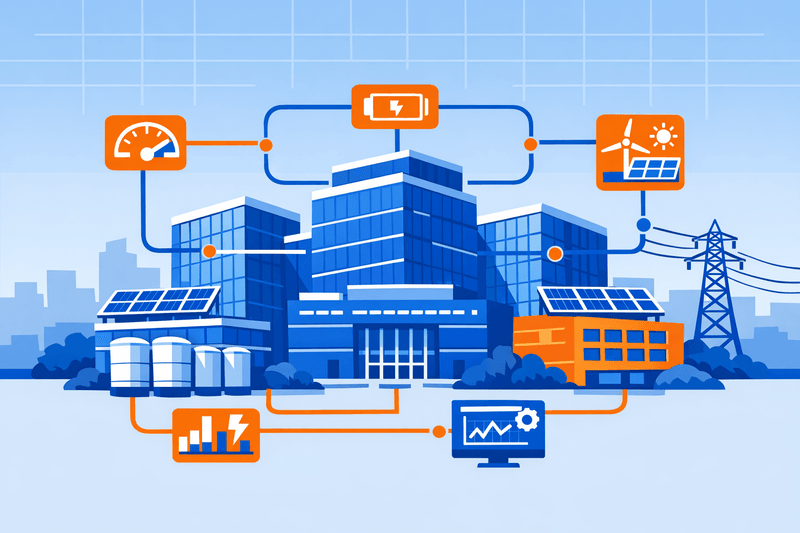
Federal GEB pilot programs in New York and Wisconsin demonstrate grid-interactive tech impact on procurement, energy reporting, and resilience in commercial buildings.
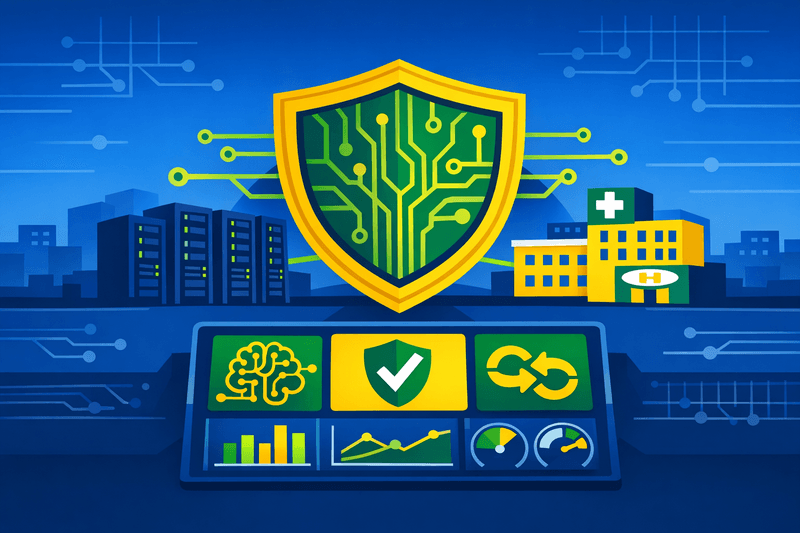
Qcells extends its AI safety benchmark to data centers and healthcare, introducing certification pathways and interoperability criteria for critical facilities.
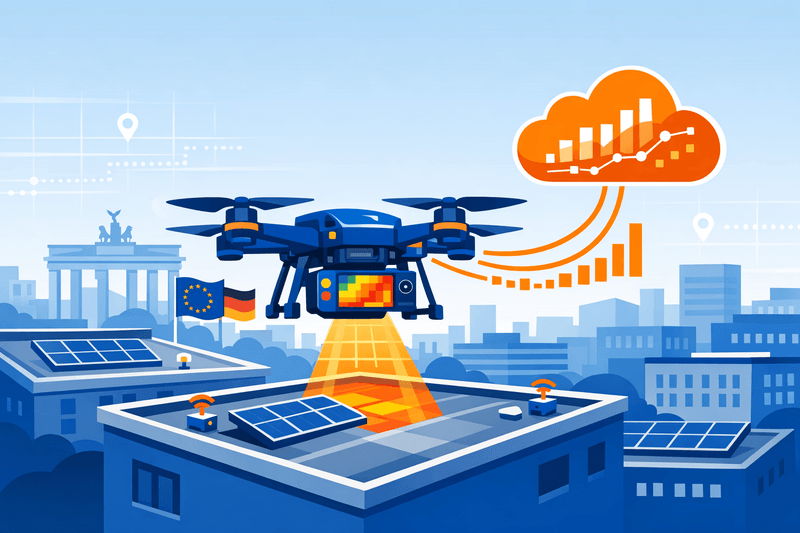
IoT-enabled drones with thermal and sensor integration rapidly cut costs and inspection time for roofs in building portfolios under evolving EU/UAV rules.
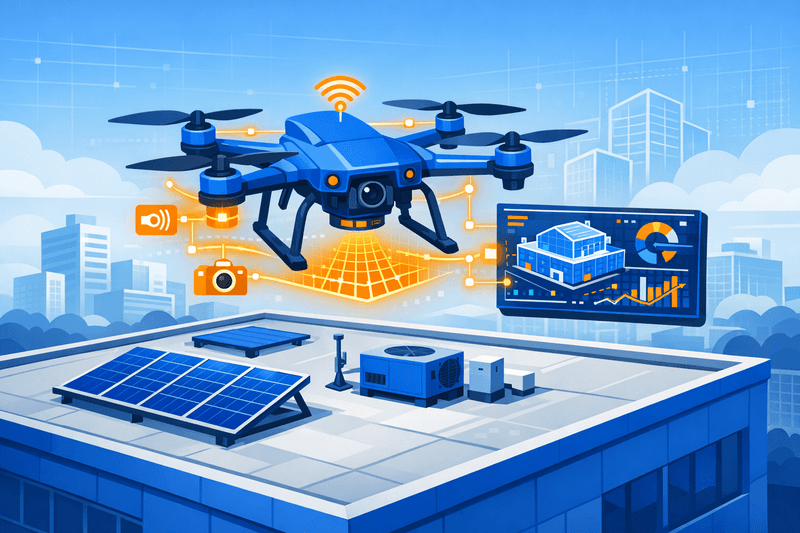
IoT-equipped drones are streamlining building inspections, enhancing safety and efficiency while supporting AI-driven analytics in facility management systems.
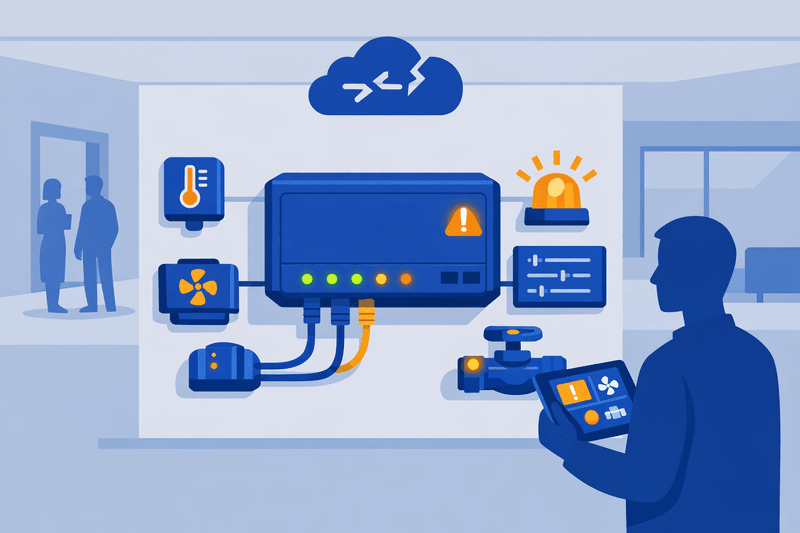
Smart buildings used edge computing to maintain emergency operations during network failures in hospitals, data centers, and government facilities.
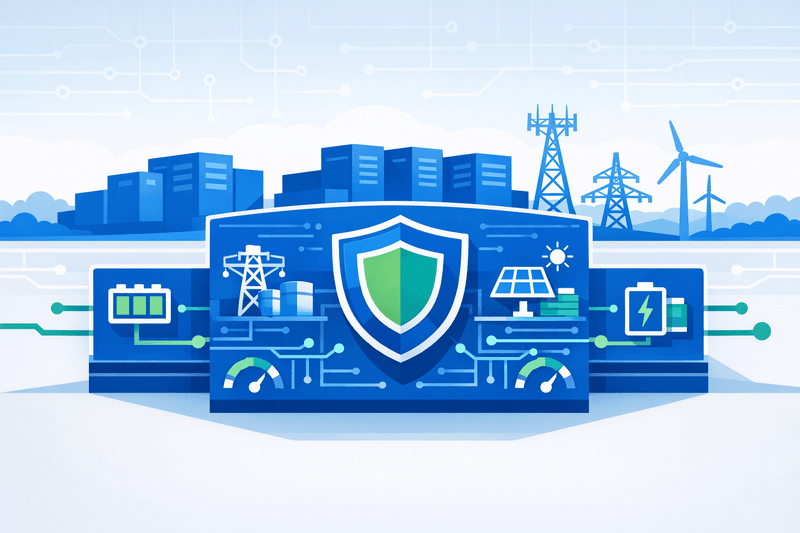
Analysis of emerging safety standards for AI-driven energy management, Qcells' market role, and adaptation strategies for critical facilities.
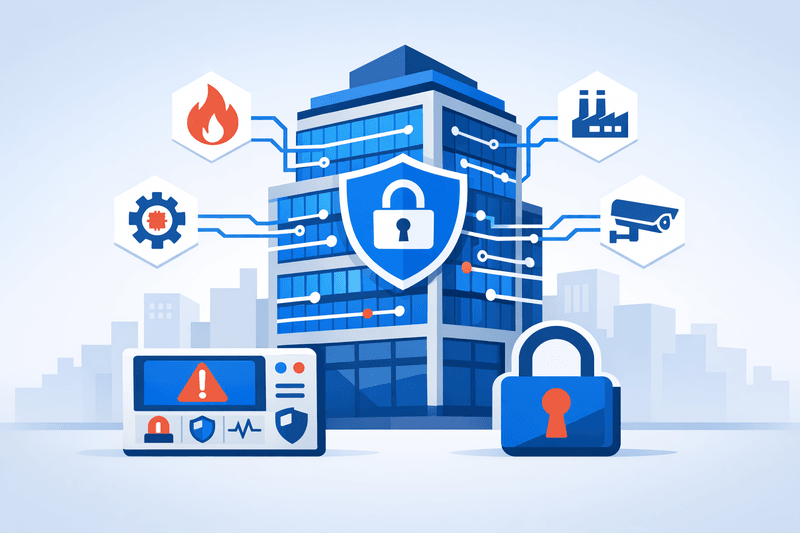
Cyber-physical attacks on 25% of building automation ICS drive regulatory and industry action toward secure-by-design standards and threat intelligence integration.
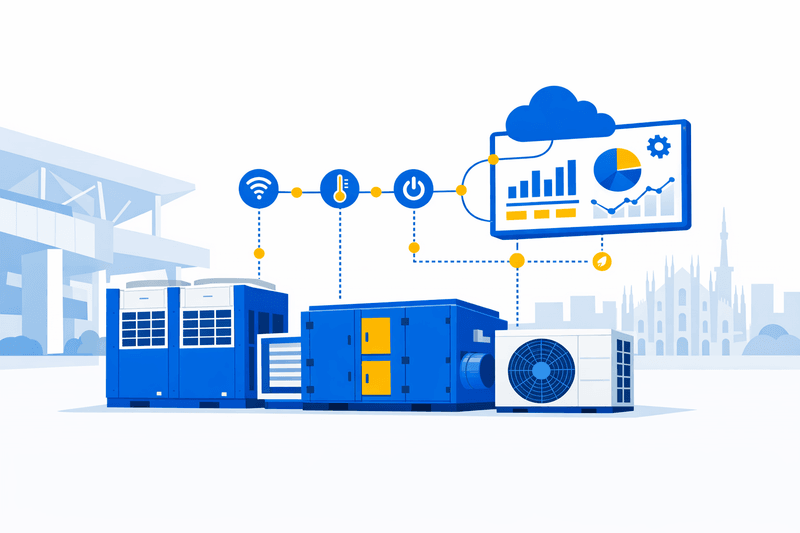
Insight into Samsung's HVAC strategy at MCE 2026 and the impact of modular, electrified, IoT-integrated systems on commercial building projects.

Regulators and industry groups move forward with shared cybersecurity standards for smart building systems as cyber risks rise across BMS, IoT, and supply chains.

Occupant experience metrics-such as air quality and thermal comfort-are central to smart-building ROI amid the ongoing shift to hybrid work.
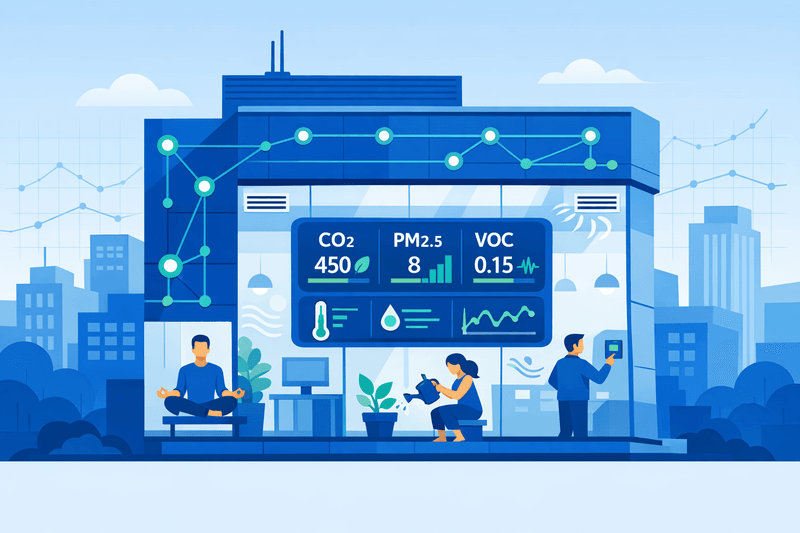
Building performance KPIs are broadening in 2026 to include resilience, energy efficiency, IAQ and occupant flexibility, with standards, AI and retrofit strategies adapting accordingly.

Industry groups align on human-centric lighting metrics and cybersecurity rules as pilots show health, productivity gains and solutions receive DEKRA, VDE certifications.

Cities and real estate stakeholders shift smart-building incentives from occupancy-based ROI to occupant wellbeing metrics such as IAQ and circadian lighting.

Analysis of the expanded Women in KNX initiative, its impact on diversity, talent pipelines, and outcomes in smart building automation.

Deep dive: How AI-powered cooling and predictive analytics are transforming data center energy use, PUE, and regulatory strategy for 2026.

Delta Electronics unveiled an AI-powered digital twin platform using NVIDIA Omniverse at GTC 2025, enabling interoperable, high-fidelity cyber-physical simulations.

Analysis of Telefónica Germany's AI-based energy management rollout for data center efficiency, PUE, emissions, and telecom sustainability.
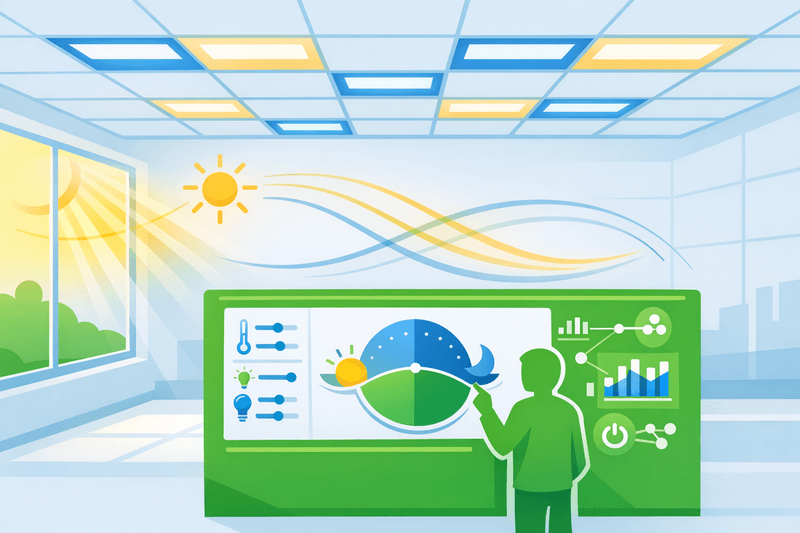
Human-centered lighting-circadian-aware, daylight harvesting, occupancy-responsive-is becoming central to smart buildings for energy savings and occupant productivity.

FBS Global secures a $20M exclusive materials supply deal to advance green building efforts and support its $78.5M project pipeline.